Beekeeping benefits look almost too broad to compare side by side. Some beekeepers start for honey. Others want better tomatoes, cucumbers, and squash. A third group wants to help pollinators after years of rough colony-loss headlines. Some newcomers want a hobby that forces them outside. Others want shelf-stable raw honey or beeswax for candles. A few want to understand colony health after seeing backyard bees in news reports. This guide sorts the largest benefits into five practical buckets, with honest limitations and current research links. We draw on USDA Agricultural Research Service data, American Beekeeping Federation guidance, and Honey Bee Health Coalition tools. The benefit you value most determines hive style, location, and how much time you spend.
Why now? Colony loss remains stubborn. The Bee Informed Partnership reported annual losses near 48% in the 2022-2023 season, though that includes manageable variables. Hobbyists can improve local forage, monitor varroa mites, and keep bees alive with better management. The American Beekeeping Federation offers beginner classes and regional mentors. USDA ARS runs honey bee research labs that publish practical findings on nutrition and pests. That research matters because beginners often repeat the same varroa mistakes. A well-managed hive in your yard can survive winter, swarm less, and produce usable honey. The data also shows that untreated hives collapse quickly in many regions.
There is no single arrangement of benefits that fits every backyard. A suburban gardener may care most about pollination. A rural landowner may value honey and beeswax. A teacher may use hives for kids’ STEM. We group the benefits into five categories you can rank. Before buying anything, read our complete beginner’s guide to starting your first honey bee hive and understand the baseline cost before you order bees. Start with one primary benefit and one secondary benefit. That focus keeps the first year manageable and prevents you from buying gear you will not use.
Some benefits sound romantic. Let’s be clear: bees sting, hives fail, mites kill colonies, and honey extraction is sticky. But if you compare the five main reasons to keep bees, most beginners can pick one primary goal and one secondary goal. That keeps decisions about hive type, location, and equipment simpler. Our table below compares each benefit with realistic startup gear cost, weekly time, and the main challenge you will face. The sections after the table dig deeper into each benefit. Use the table as a ranking sheet, not a promise. Local climate, forage, and pest pressure change outcomes.
How Do the Top Options Compare?
| Benefit | Best For | Startup Gear Cost | Weekly Time | Main Challenge |
|---|---|---|---|---|
| Garden and Orchard Pollination | Fruit and vegetable growers | Check beehive starter kits | 1-2 hours in season | Varroa mite monitoring |
| Raw Honey and Hive Products | Home kitchens and gift makers | Check honey extractors | Seasonal harvest bursts | Heavy harvest days |
| Pollinator Conservation | Eco-minded beginners | Check beekeeping suits | 30 minutes off-season | Balancing honey bees and native bees |
| Beekeeping Skill Development | Long-term learners | Check beekeeping tools | 2-3 hours in season | Recovering from colony loss |
| Small-Scale Honey Income | Rural and suburban side hustlers | Check honey jars | 5-10 hours in season | Selling profitably |
Startup costs are rough estimates for basic equipment and do not include bees, mite treatments, or extractor upgrades. Links lead to Amazon search results for the gear named. Living bees should come from local breeders or package suppliers, not from marketplace links.
1. Garden and Orchard Pollination , Gardeners and small orchardists
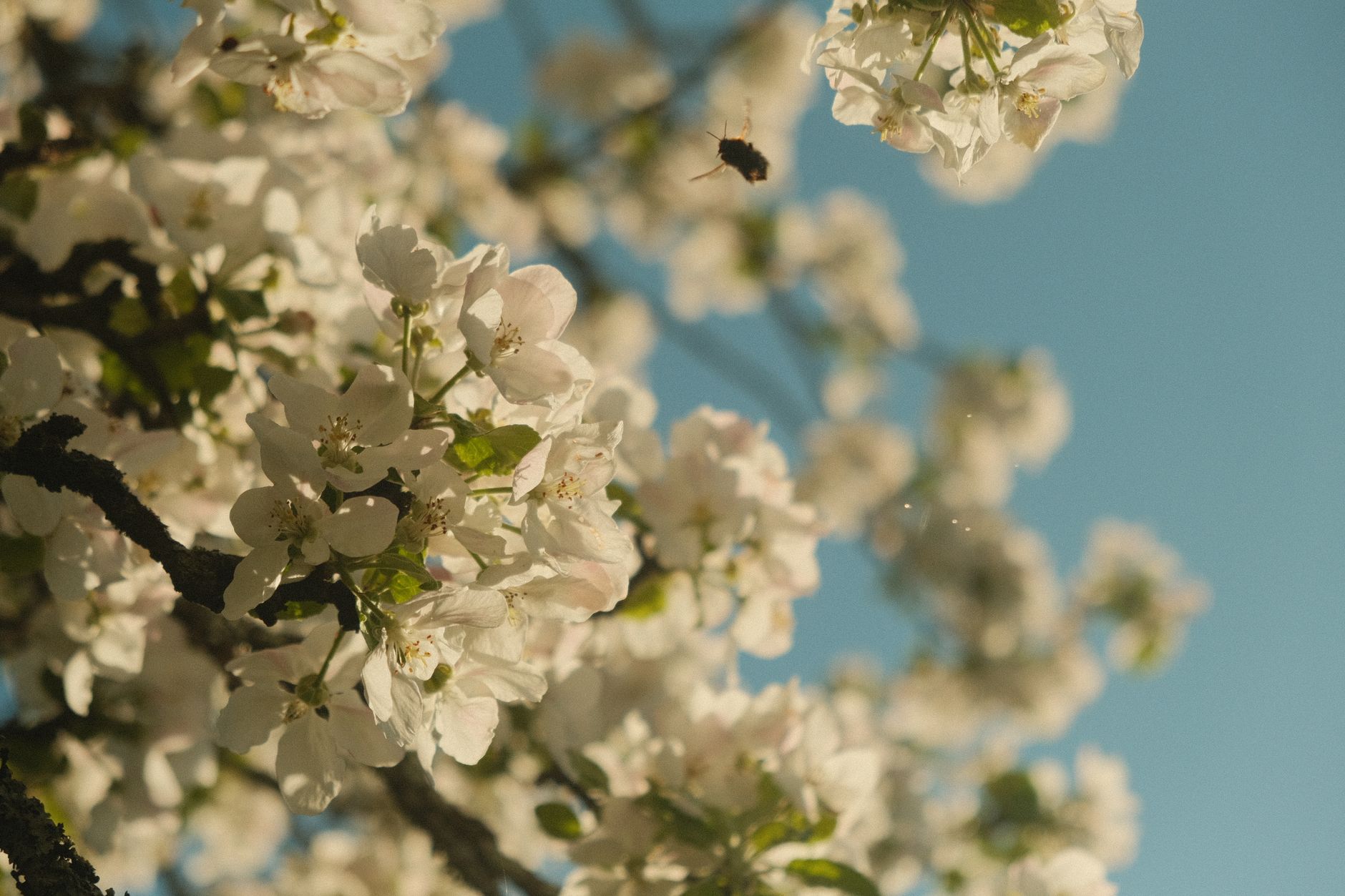
Honey bees are generalist pollinators. A strong colony sends out thousands of foragers on warm days and works up to 2 miles from the hive. That activity translates into firmer fruit set on apples, blueberries, squash, melons, and cucumbers. If you grow food, a hive placed within 200 yards of the garden often improves size and ripening. Adding flowering plants that bloom before and after your crops keeps bees nearby. This benefit is not automatic. Weak colonies with heavy varroa loads forage poorly and may collapse before bloom. Learn to inspect frames and count mites early. The Varroa destructor mite is the leading cause of colony death in the United States. The varroa mite treatment guide walks through alcohol washes, sticky boards, and labeled treatments. A healthy colony is the actual pollination unit. Keep the native bee tension in mind. Honey bees are managed livestock and can compete with wild pollinators when flowers are scarce. Reduce that pressure by planting a diverse mix of native shrubs, perennials, and trees. Leave some bare soil and hollow stems for ground-nesting and cavity-nesting bees. A basic starter kit usually includes a hive body, frames, smoker, and hive tool. Check beehive starter kits on Amazon before you commit.
Key strengths:
- ✅ Stronger fruit set on apples, squash, berries, and cucumbers
- ✅ Foragers work up to 2 miles from the hive
- ✅ Colonies can be moved to follow different bloom periods
- ✅ Reduces reliance on wild pollinator populations that fluctuate
- ❌ Honey bees can compete with native pollinators
- ❌ Poor colony health sharply reduces pollination value
- ❌ Requires spring buildup before many fruit blooms
Who it’s for: Gardeners or small orchardists who want measurable yield improvements from nearby hives.
2. Raw Honey and Hive Products , Home kitchens and natural products
One healthy colony can produce 30 to 60 pounds of surplus honey in a good season. USDA figures often put average per-hive yield near 55 pounds, but local forage, rainfall, and colony strength move that number up or down. Our how much honey does one hive produce article breaks down bloom timing, hive size, and winter honey requirements. Honey is not the only harvest. Beeswax, propolis, pollen, and small amounts of royal jelly have uses in candles, salves, lip balm, and fermented honey. Wax is easier to collect after you uncap frames during extraction. A two-frame manual extractor is enough for one to three hives. Check honey extractors on Amazon. The honey extraction equipment guide compares manual and motorized options. The downside is physical. A medium super full of honey can weigh about 40 pounds and harvesting is hot, sticky work. You need a clean area, buckets, strainers, and jars. Honey crystallizes, jars take storage space, and you will likely give away far more than you planned. If your main goal is shelf-stable sweetness, the honey benefit ranks high despite the mess.
Key strengths:
- ✅ Raw, local honey with a known floral source
- ✅ Beeswax, propolis, and pollen as secondary products
- ✅ Savings compared with store-bought raw honey
- ✅ Great gifts and community trading
- ❌ Harvesting is heavy and sticky
- ❌ Yields swing with weather and colony health
- ❌ Processing equipment adds upfront cost
Who it’s for: Home cooks and handmade product lovers who want more than honey in the pantry.
3. Pollinator Conservation , Eco-minded beginners
Managed honey bee colonies are not wild bee conservation projects. They are livestock with health needs. But keeping bees can push you to learn about pollination, seasonal forage, and disease. The Honey Bee Health Coalition publishes a varroa management tool and best practices that help beginners avoid common mistakes. The USDA ARS also studies colony nutrition and pest resistance, and its findings inform many regional extension guides. The educational ripple effect is real. Once you see hives struggle during a late-summer dearth, you notice empty lawns and clipped hedges. Many beekeepers add pollinator plantings after their first season. The pollinator garden for bees guide covers early and late nectar sources that support native bees, butterflies, and honey bees. The conservation benefit has limits. More honey bee colonies in a flower-poor area can worsen pressure on native pollinators. Responsible beekeeping means improving habitat before or alongside adding boxes. It also means treating varroa mites so your hives do not become mite sources for nearby colonies. Skip that responsibility and the conservation benefit disappears.
Key strengths:
- ✅ Grows your understanding of bee diseases and nutrition
- ✅ Supports local forage when paired with planting
- ✅ Helps you monitor varroa instead of spreading mite problems
- ✅ Builds a nose for environmental changes
- ❌ Honey bees alone do not save native pollinators
- ❌ Poor management can worsen mite and disease spread
- ❌ Raising healthy colonies requires chemical or organic intervention
Who it’s for: Beginners who want to keep bees while improving local pollinator habitat.
4. Beekeeping Skill Development , Long-term learners and hands-on hobbyists
Beekeeping is a thinking hobby. You learn to read brood patterns, spot queen cells, measure mite loads, and react to swarming. The first season is often the hardest because every inspection introduces new questions. Our how to start beekeeping no experience guide covers the first steps and common beginner mistakes. Skills compound over time. In year one you may struggle to find the queen. By year three you can split a hive, recognize American foulbrood, and decide when to requeen. When your prevention plan fails and bees cover a fence post, you will learn swarm recovery quickly. A starter kit with a full view window or clear crown board can speed up early inspections, but your note-taking matters more than gear. This benefit has real costs. It takes about 2 to 3 hours per week during spring and summer, plus reading and club meetings. You will lose a colony or see one swarm. That failure is part of the learning process, but it is not free. Keep notes on every inspection so the information stays useful across seasons.
Key strengths:
- ✅ Builds mechanical, biological, and observation skills
- ✅ Offers a multi-year learning project
- ✅ Connects you with local bee clubs and mentors
- ✅ Prepares you to split hives or mentor others later
- ❌ Steep first-year learning curve
- ❌ Mistakes can kill a colony
- ❌ Continuous pest education is required
Who it’s for: Hobbyists who want a complex, skill-based outdoor project rather than a set-it-and-forget-it pet.
5. Small-Scale Honey Income , Rural and suburban side hustlers
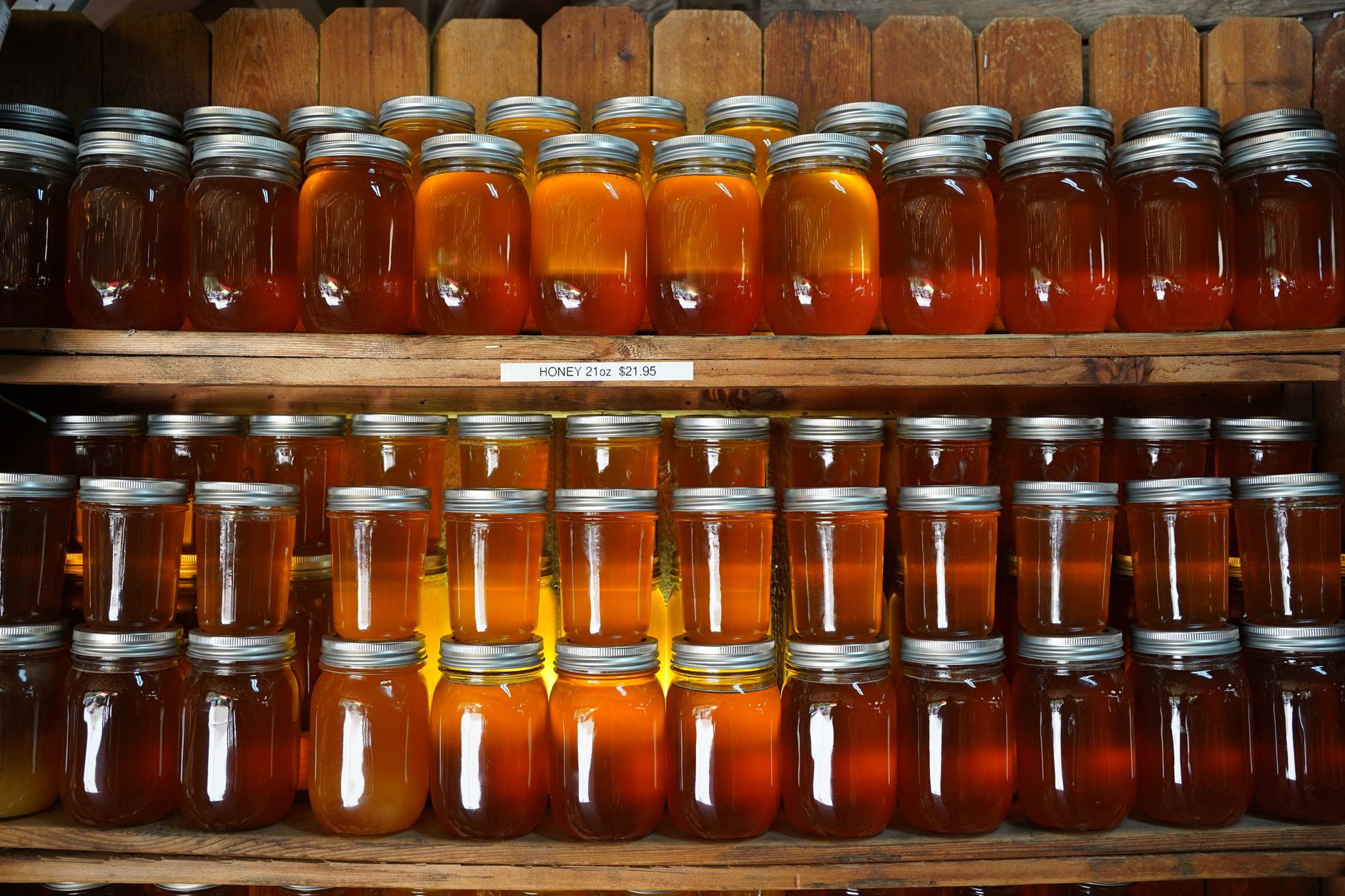
Small hive counts can grow into a side income. Ten hives in good forage may produce 300 to 600 pounds of honey in a season. At a local price of $10 to $15 per pound, that is meaningful revenue. But profit is different from gross sales. Jar labels, booth fees, extraction equipment, and your labor all eat into margin. A manual extractor works for a few hives, but larger operations need motorized equipment. Nucleus colonies and queens are another market. A clean, strong nuc with a laying queen often sells out in spring. Selling nucs requires solid record keeping and disease awareness because you are offering live bees to other keepers. Start with honey, then learn to make splits before selling bees. This benefit is not guaranteed. Colony losses can wipe out a season. Varroa control is the difference between productive hives and deadouts. Budget for mite treatments, replacement queens, and winter feed. If you want side income, start with three hives and one full season of records before buying more.
Key strengths:
- ✅ Revenue from honey, wax, nucs, or pollination contracts
- ✅ Scalable from 2 hives to 20 hives
- ✅ Farmers market sales build local reputation
- ✅ Tax benefits possible for farm income in some states
- ❌ Challenging to profit after equipment and labor
- ❌ Colony losses create income swings
- ❌ Food safety and labeling rules vary
Who it’s for: Beekeepers who want to offset costs and eventually sell honey or nucs locally.
Frequently Asked Questions
What are the main benefits of beekeeping?
The main benefits are garden and orchard pollination, raw honey and beeswax, pollinator health education, lifelong skill building, and small-scale income. Most beginners pick one primary benefit.
How much honey does one hive produce?
In a decent year, one healthy hive can produce 30 to 60 pounds of surplus honey. Local forage, colony strength, and weather cause wide variation.
Do I need to treat for varroa mites?
Yes. Varroa destructor is the leading cause of colony loss. Untreated hives rarely survive more than two years in most regions.
Is beekeeping expensive to start?
A basic hive, protective gear, tools, and bees often cost $500 to $800 for the first year. Extracting equipment adds more if you want bottled honey.
Can I keep bees in a small backyard?
Yes, if local rules allow it and you provide a water source and gentle stock. Place hives away from property lines and high-traffic areas.
Is beekeeping good for native pollinators?
It can be neutral or harmful if honey bees compete for limited forage. Plant diverse native flowers and leave undisturbed nesting areas to support native bees.
What Should You Remember?
- Pollination: Garden and orchard pollination is the most immediate benefit for growers with fruit or vegetable plants.
- Honey: One healthy colony can produce 30 to 60 pounds of surplus honey in a good year.
- Conservation: Keeping bees only helps local pollinator habitat if you plant diverse forage and manage varroa mites.
- Skills: Beekeeping builds mechanical, biological, and decision-making skills over multiple seasons.
- Income: Small-scale honey and nuc sales can offset costs but rarely replace a full-time job.
- Startup cost: Budget $500 to $800 for the first hive, protective gear, tools, and bees.
This article is for general information only and is not veterinary or legal advice. Beekeeping is regulated in most regions and involves live animals with their own health needs , always follow local regulations and best practices, and consult a qualified apiarist, extension service, or veterinarian for bee-health or disease concerns.