Every new beekeeper asks this before the first hive even arrives. The honest answer is both simple and complicated. A healthy, established colony can produce more honey than a small household needs. But honey yield is never guaranteed. It depends on your climate, the weather, local flowers, colony health, and how you manage the bees. If you are just getting started, the best way to understand the answer is to start from a realistic baseline instead of a best-case internet photo. Learn the basics with our complete beginner guide to starting your first honey bee hive. That baseline will help you plan equipment, space, and expectations before your first season.
Data from university extension services and the USDA Agricultural Research Service show that average U.S. honey yield per harvested colony usually falls between 45 and 60 pounds. That figure includes both commercial apiaries and small backyard operations. Some states with abundant agriculture, like North Dakota and South Dakota, often post higher state averages. Strong individual colonies can blow past those numbers under ideal conditions. The key is not the national average. It is what your local nectar flow can support. University extension services can offer regional honey yield estimates for your county. Use those local numbers as your planning baseline.
Before you dream about dozens of jars, remember that first-year hives are different. A package of bees starts with no drawn comb and a new queen. The colony must build wax, raise brood, and grow its workforce before it can store surplus. Many first-year hives produce zero to thirty pounds of harvestable honey. That is normal. If you harvest too early, you risk weakening the colony before winter. As your hive matures, surplus honey becomes more predictable. Patience in year one often leads to a stronger honey crop in year two and beyond. Expect hive numbers to climb as drawn comb accumulates.
| Colony Status | Typical Surplus Honey | Notes |
|---|---|---|
| First-year package or nuc | 0 to 30 pounds | Bees need time to draw comb and build population |
| Established overwintered colony | 30 to 60 pounds | Drawn comb and a strong queen speed up nectar collection |
| Very strong colony in prime forage | 80 to 120+ pounds | Requires excellent flow, swarm control, and low mite pressure |
| Stressed or underfed colony | 0 to 10 pounds | Disease, pests, or poor weather reduce surplus |
What Is a Realistic Honey Yield Per Hive Per Year?
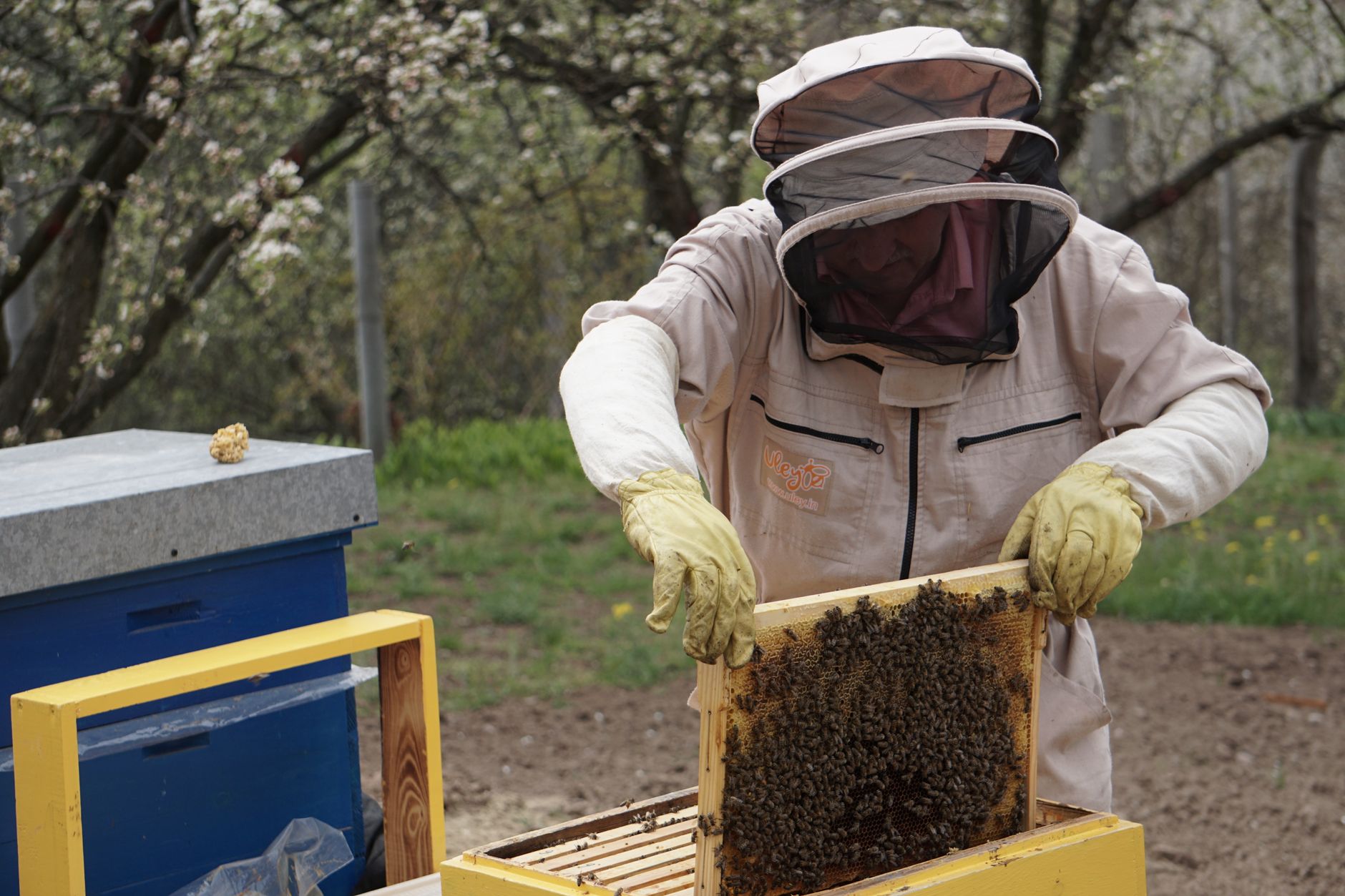
A full-size colony needs honey to feed itself. In a strong nectar flow, bees might collect and ripen 150 to 250 pounds of honey in a season. Most of that never leaves the hive. The bees use it for daily energy and to build winter stores. A beekeeper typically harvests only the surplus above what the colony needs. USDA data shows average U.S. honey yield per harvested colony has hovered around 50 pounds in recent years. Some years are better, some worse. When people ask how much one hive produces, they usually mean that surplus.
For planning purposes, think in three tiers. A first-year package or nuc often yields 0 to 30 pounds of surplus. An established overwintered colony commonly yields 30 to 60 pounds. A very strong colony in prime forage can produce 80 to 120 pounds or more. The table below breaks down those expectations in a practical way.
Local conditions matter more than national numbers. A hive in suburban Ohio with clover, basswood, and garden flowers may produce differently than a hive in arid Wyoming with irrigated alfalfa nearby. Elevation, rainfall, and frost dates all shift the nectar calendar. If you want a more accurate local estimate, contact your state extension office or a nearby beekeeping club. They can tell you what a good year, average year, and poor year look like in your area.
How Much Honey Does a First-Year Hive Usually Produce?
Most new beekeepers are surprised when their first hive does not fill the extractor. A first-year package or nuc usually produces zero to thirty pounds of harvestable surplus. The reason is simple. The bees start with no drawn comb. They must build wax before they can store nectar. Building wax consumes a lot of energy and honey. The colony also needs to raise brood and expand its population.
A first-year nuc often has a head start because it includes drawn comb, brood, and a laying queen. It may produce a small harvest in late summer if the nectar flow is strong. A package starts slower because every frame must be built. Some first-year hives do produce more than thirty pounds, but those are the exception rather than the rule.
A better goal for year one is colony survival and population growth. If your hive enters fall with a strong cluster, plenty of stored honey, and low mite levels, it has a good chance of becoming a productive second-year hive. Many beekeepers report that their best honey crop comes in year two or three, after drawn comb has accumulated and the queen has proven herself.
What Factors Affect How Much Honey a Hive Produces?
Honey yield is an ecosystem report, not a single input. The biggest factor is forage. Bees need large patches of nectar-producing flowers within about two to three miles of the hive. Clover, black locust, basswood, alfalfa, wildflowers, and certain trees can create a strong flow. A hive surrounded by lawn and a few shrubs will usually produce very little surplus. The weather before and during bloom matters too. Drought reduces nectar secretion. Late frost can kill blossoms. A rainy period can keep bees inside during a flow.
Pests and diseases quietly destroy honey potential. Varroa mites weaken bees, shorten worker lifespans, and spread viruses. A heavily infested colony may gather 30 to 50 percent less nectar than a healthy colony. The Honey Bee Health Coalition offers practical varroa management guides that help beekeepers protect yield. American foulbrood, nosema, and wax moths can also set a hive back. Strong colonies resist many problems, but no colony is immune without monitoring.
Management choices also shift yield. A hive with old dark comb, a failing queen, or continuous swarming will not store as much surplus. Hive placement near windbreaks, morning sun, and clean water helps bees work more efficiently. Beekeepers who inspect regularly can catch queen problems early. The American Beekeeping Federation recommends building your skills around colony health and seasonal management because healthy hives are productive hives. National surveys frequently report annual overwinter losses around 40 percent. That loss rate shapes honey production because beekeepers spend time and money replacing dead colonies instead of building strong honey producers.
- Forage quality and bloom timing
- Colony health and pest pressure
- Queen age and brood pattern
- Weather and local microclimate
- Hive management and swarm control
How Does Colony Strength and Bee Population Shape Honey Yield?
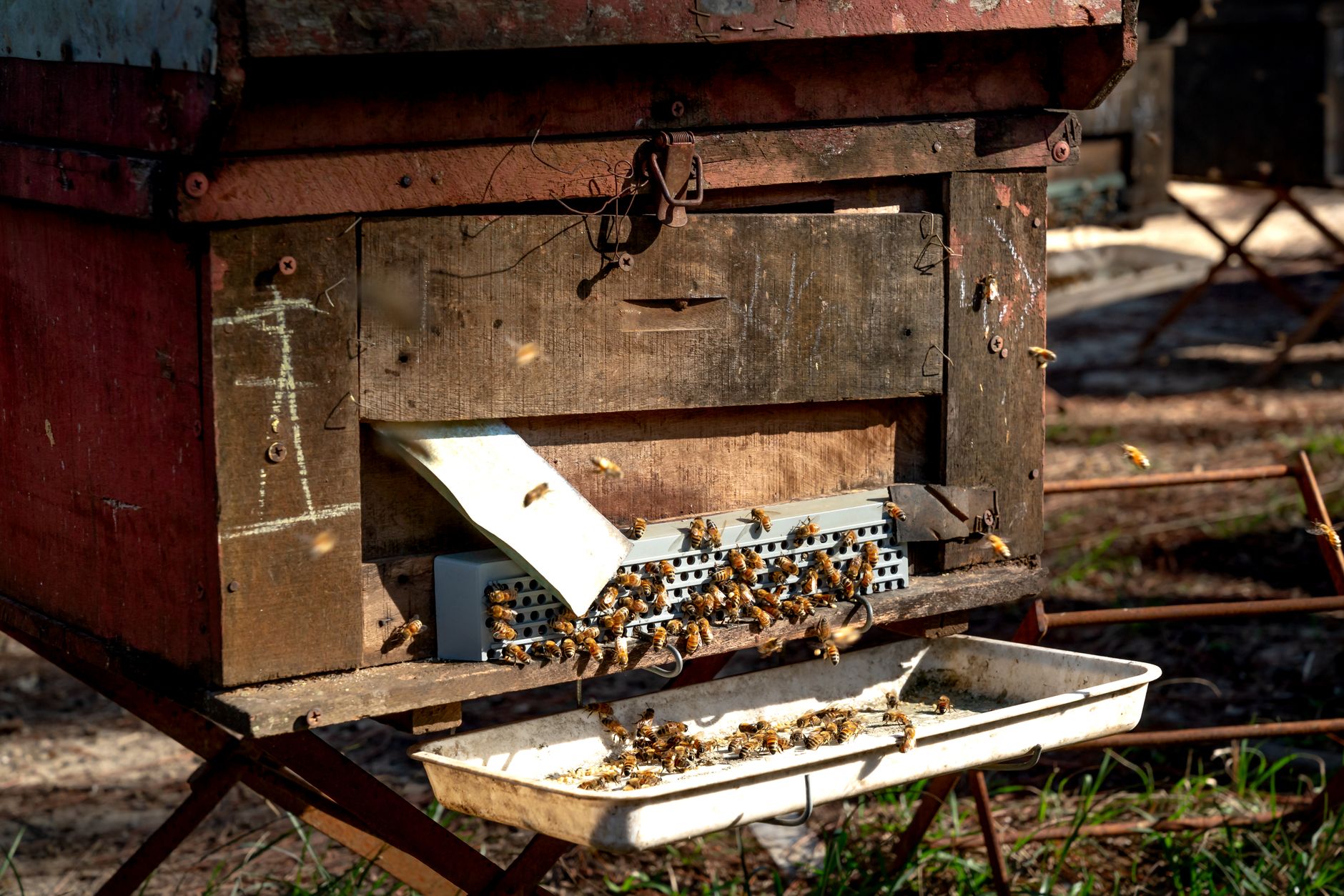
A honey crop is built one foraging trip at a time. A single worker bee produces only about 1/12 of a teaspoon of honey in her entire lifetime. That sounds tiny, but a strong colony may contain 40,000 to 60,000 workers in summer. Together they can visit millions of flowers per day during a strong flow. The larger the foraging force, the more nectar comes into the hive. This is why colony strength matters so much. A small or newly installed colony simply does not have enough workers to bring in a large surplus.
The queen is the engine behind that workforce. A young, well-mated queen lays up to 1,500 eggs per day at peak season. Those eggs become the nurse bees and foragers that collect nectar weeks later. If the queen fails or the colony swarms, the population drops at exactly the wrong time. Swarm prevention becomes a honey-production tool because it keeps the foraging force intact. Starting with a strong nuc or established split often gives a better first-year population than a package. You can compare those options in our buying bees guide for packages, nucs, and splits.
Drawn comb also accelerates honey production. A package colony must build new wax before the bees have enough cells to store nectar. An established hive with drawn comb can concentrate workers on foraging instead of wax production. This is why second-year and third-year hives usually outproduce first-year hives. If you want a strong honey crop, focus on getting colonies through winter with plenty of stored honey and a healthy queen.
How Much Honey Should You Leave for the Bees?
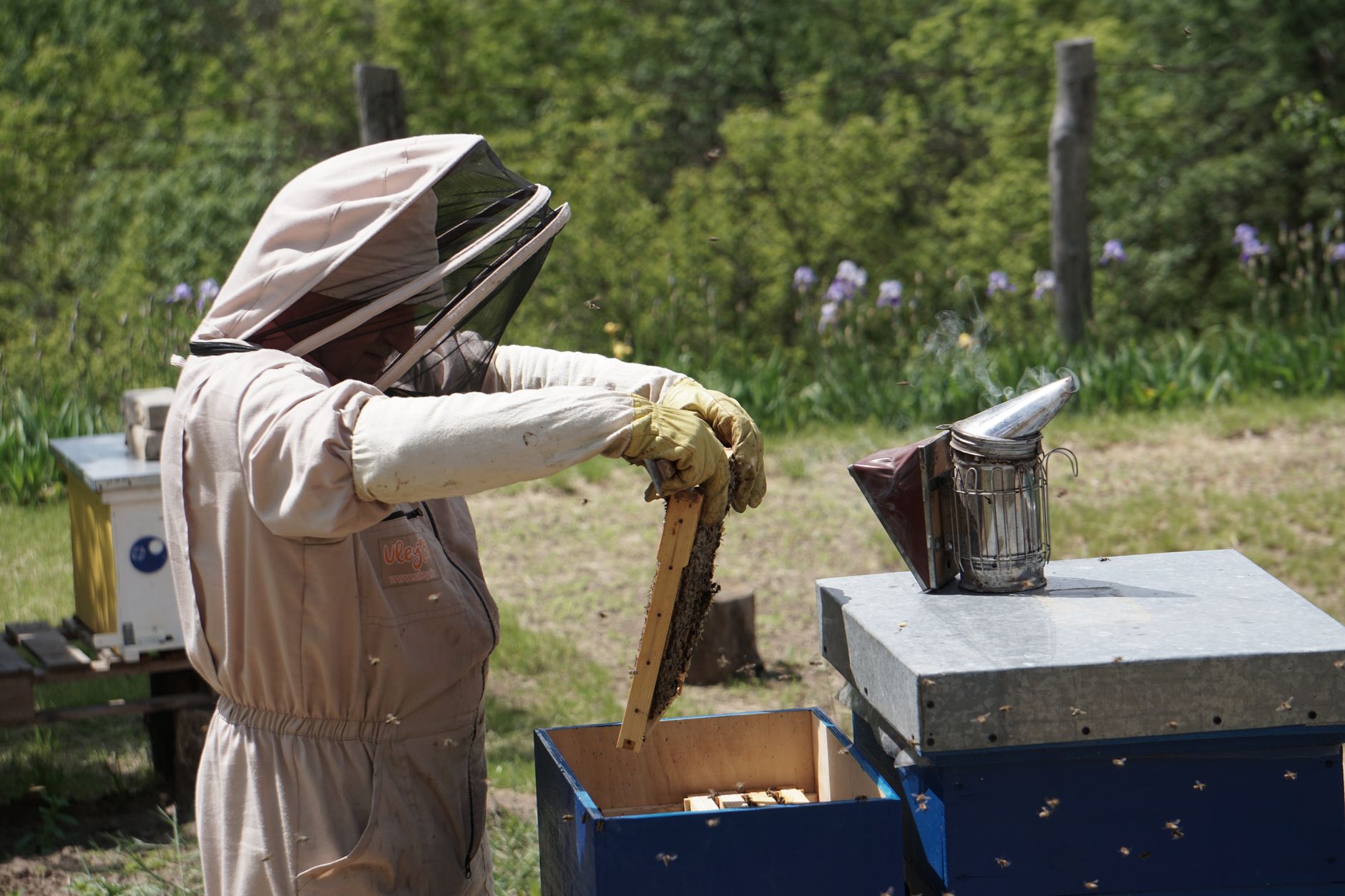
This is the question that decides whether a hive survives winter and builds up next spring. The amount of stored honey a colony needs depends on your climate. In cold northern regions, a colony may need 60 to 90 pounds of honey or more to last from October to April. In mild southern regions, 30 to 40 pounds may be enough. A full deep frame of honey weighs about 6 to 8 pounds. That means a northern hive might need the equivalent of 10 to 15 deep frames of stored honey, not brood frames, going into winter.
When you inspect in late summer, judge the total stored honey first. Look for frames that are fully or mostly capped. If the hive feels light, it is better to leave every drop and feed sugar syrup if needed. Taking too much honey in August can force you to feed heavily in October just to keep the colony alive. This is a common mistake. Our winterizing beehives guide walks through the exact checkpoint. In cold climates, many beekeepers plan to leave at least one full deep box of honey above the brood nest as winter insurance.
Southern beekeepers have more flexibility, but neglect can still kill a colony during a long dearth. In any region, avoid harvesting uncapped nectar. Uncapped frames contain too much moisture and can ferment after extraction. Harvest only frames that are at least 80 to 90 percent capped. If you are unsure, use the shake test. Hold the frame horizontally and give it a gentle shake. If liquid flies out, it is not cured honey and should stay in the hive. More first-time harvest tips are in our how to harvest honey first time guide.
How Can You Increase Honey Production Without Stressing the Hive?
The best way to increase honey yield is to improve colony health before the flow starts. That means controlling varroa mites early, replacing failing queens, and making sure the hive has enough young bees. A colony that becomes overrun with mites in July cannot recover quickly enough to store a large crop. Use mite counts and treatment thresholds instead of guessing. Our varroa mite treatment guide explains how to test and respond. Healthy bees are the foundation of every pound of honey.
Prevent swarming. When a colony swarms, it can lose half or more of its worker bees and the old queen. The remaining bees may still recover, but the swarm has already taken this season’s honey-making workforce. Give strong colonies enough space before the main flow. Swarm management is not about forcing bees to stay. It is about reading congestion and giving the colony room. Our bee swarm guide covers the signs and practical prevention steps.
Finally, manage the harvest itself. Use clean equipment and extract only when the honey flow allows. Wet supers placed back on the hive can be cleaned quickly by the bees. But do not leave extracted supers on too long in a robbing season. The goal is not to squeeze the last drop. The goal is a productive hive that returns year after year. A hive managed for bee health first will usually give you a satisfying honey crop as a side effect.
Frequently Asked Questions
How much honey does one hive produce per year on average?
An established healthy hive typically produces 30 to 60 pounds of surplus honey in an average year. Very strong colonies in excellent forage can produce 80 to 120 pounds or more. First-year hives often produce little or no harvestable honey.
Can I harvest honey from a new hive in the first summer?
You can sometimes harvest a small amount from a first-year nuc if the flow is strong and the hive fills a super. Most new package hives should not be harvested in year one because the bees need honey to draw comb and build winter stores.
How often should I harvest honey from a hive?
Most backyard beekeepers harvest once or twice per year. The timing depends on local nectar flows, such as after a spring flow or before a fall dearth. Always leave enough stored honey for the colony to survive winter or dearth periods.
Do all types of honey bees produce the same amount?
No. Italian, Carniolan, Russian, and other honey bee strains differ in brood rearing, foraging behavior, and wintering. Local bee stock that is adapted to your climate and managed for low mite levels often produces more reliably than a single imported race.
What is the average honey yield per hive in the United States?
USDA data show the average U.S. honey yield per harvested colony usually ranges from 45 to 60 pounds per year. This averages large commercial operations and small hives, and it varies by state and seasonal weather.
How do I know if my hive has enough honey for winter?
Lift the back of the hive or inspect frames in late summer. A full deep frame weighs about 6 to 8 pounds. In cold climates, aim for 60 to 90 pounds of stored honey. If stores are light, feed sugar syrup early.
What Should You Remember?
- Realistic yield: Expect 30 to 60 pounds of surplus honey from an established hive in a good year.
- Bee health first: A strong, disease-free colony with a young queen makes far more honey than a stressed hive.
- Leave enough behind: Northern colonies often need 60 to 90 pounds of stored honey for winter.
- Forage wins: Hives near diverse flowering plants and clean water outperform hives with poor forage.
- Timing matters: Manage swarms and mites early so the workforce stays in the hive and gathers nectar.
- First-year patience: Many first-year hives produce no surplus because bees need time to build comb and population.
This article is for general information only and is not veterinary or legal advice. Beekeeping is regulated in most regions and involves live animals with their own health needs , always follow local regulations and best practices, and consult a qualified apiarist, extension service, or veterinarian for bee-health or disease concerns.