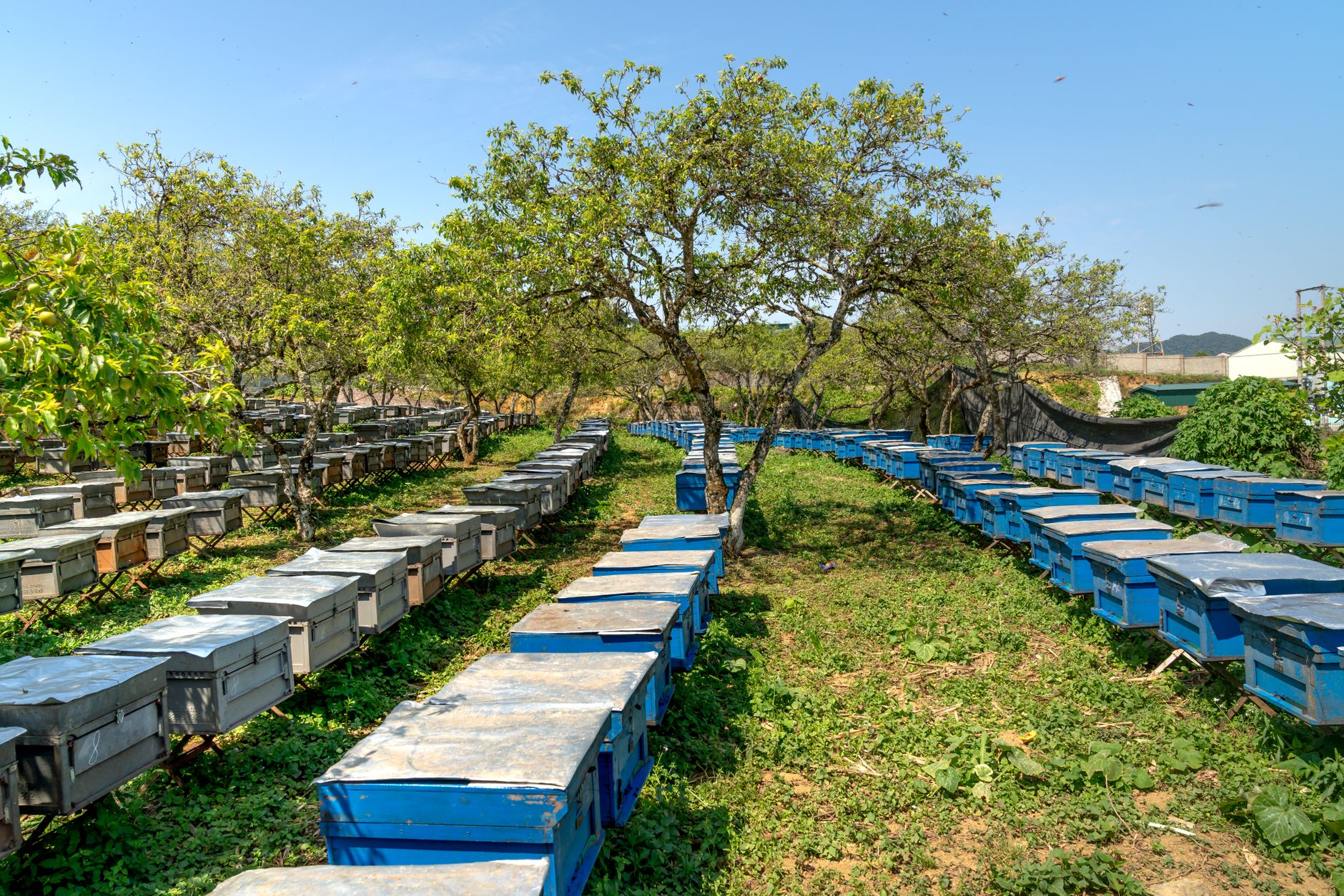
Many beginners hear wildly different numbers for starting beekeeping. One friend may say $300, another may claim $2,000. For a single complete hive in 2026, plan on a first-year range of $500 to $800. That amount gets you safe equipment, a standard Langstroth hive, basic tools, and a healthy colony of bees. It does not cover honey extraction equipment, extra hives, or your time. It also assumes you buy new woodenware rather than build it yourself. Prices vary by region, supplier, and how much you can borrow from a local bee club. Still, $500 to $800 is a fair planning number for most new beekeepers in the United States.
The American Beekeeping Federation encourages new beekeepers to focus on education and colony health before chasing honey. Start with one or two hives, affordable gear, and local guidance. A well-managed first hive teaches more than a room full of gadgets. Knowing what to buy, what to skip, and what to budget for replacement bees makes the first year far less stressful. Some beginners overbuy extractors and treatments they do not need. Others under-budget for varroa control or winter feed and lose their colony. The Federation and state associations offer free or low-cost classes that can save you money immediately. That education is part of your startup investment in time, not gear.
The USDA Agricultural Research Service supports honey bee health research and reports useful production data. USDA counted about 2.71 million colonies producing honey in 2023, with an average yield of 44 pounds per colony. Your first hive may produce less, but the cost picture still matters. This guide breaks down the real numbers for 2026 so you can start with confidence. We will cover startup equipment, bees, hidden fees, ongoing maintenance, and ways to reduce costs without skipping essential care. Use this as a planning tool, not a rigid quote. Local club auctions, seasonal sales, and used equipment can change your final total. Expect regional differences, especially in cold climates.
| Item | Low Estimate | High Estimate | Notes |
|---|---|---|---|
| Langstroth starter kit | $180 | $350 | Unassembled wood kit with frames |
| Protective gear | $80 | $180 | Ventilated suit or jacket and gloves |
| Smoker and hive tool | $30 | $60 | Essential inspection tools |
| Bees package or nuc | $140 | $230 | Nucs cost more but build faster |
| First-year mite treatment | $25 | $70 | Monitoring and one or two treatments |
| Feeding supplies | $20 | $50 | Feeder, sugar syrup, optional pollen patty |
| Typical first-year total | $475 | $940 | One hive, before optional extras |
What Does a First Hive Actually Cost in 2026?
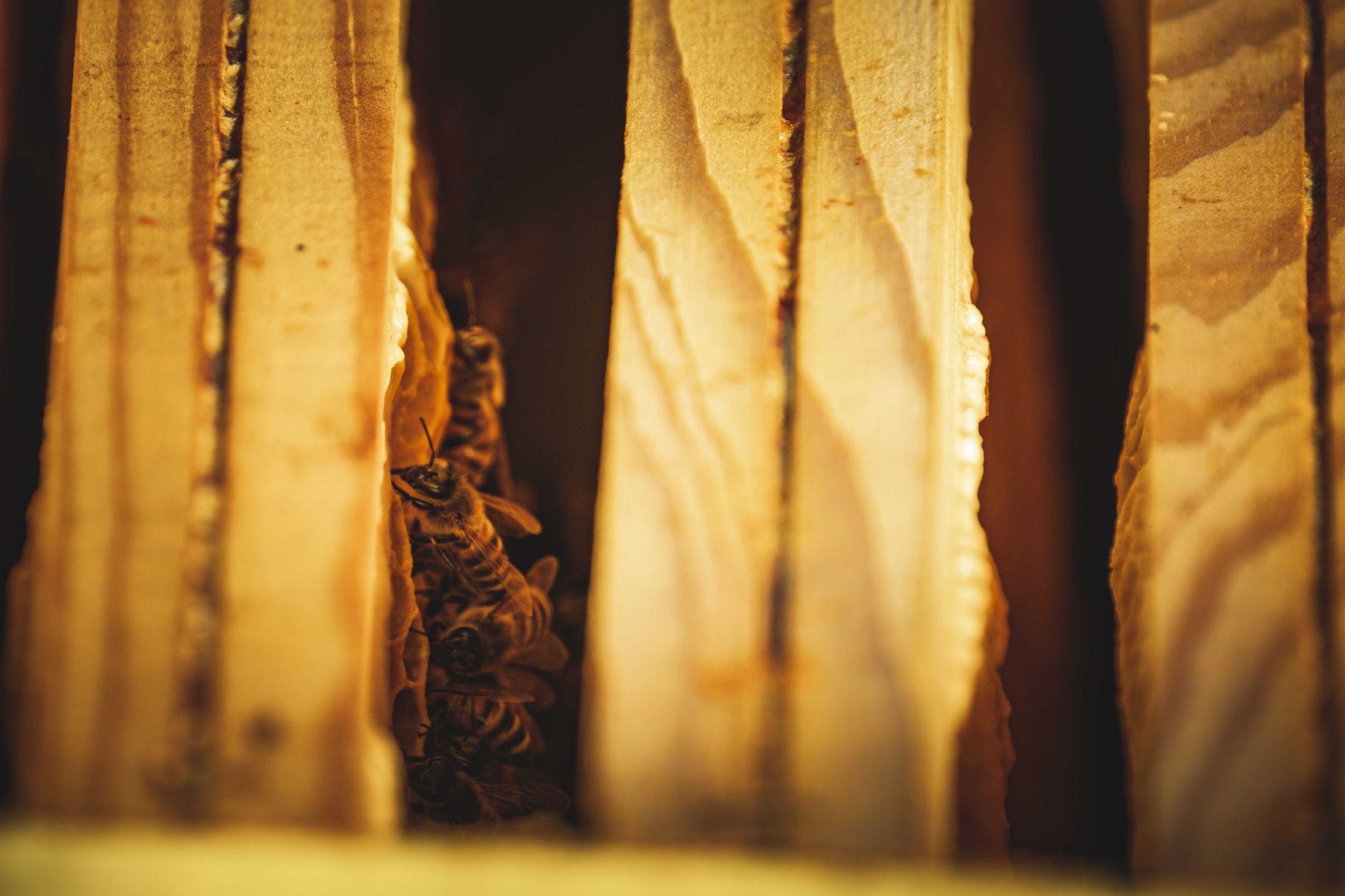
For most beginners, the largest single purchase is a Langstroth hive. A basic unassembled starter kit usually sells for $180 to $350. It includes a bottom board, one or two deep brood boxes, frames with wax or plastic foundation, an inner cover, and an outer cover. Some kits also include a feeder, entrance reducer, or queen excluder. If you are comparing options, start with our guide to the best beehive starter kits for 2026. A Langstroth starter kit is the standard choice for new keepers because replacement parts and local advice are easy to find.
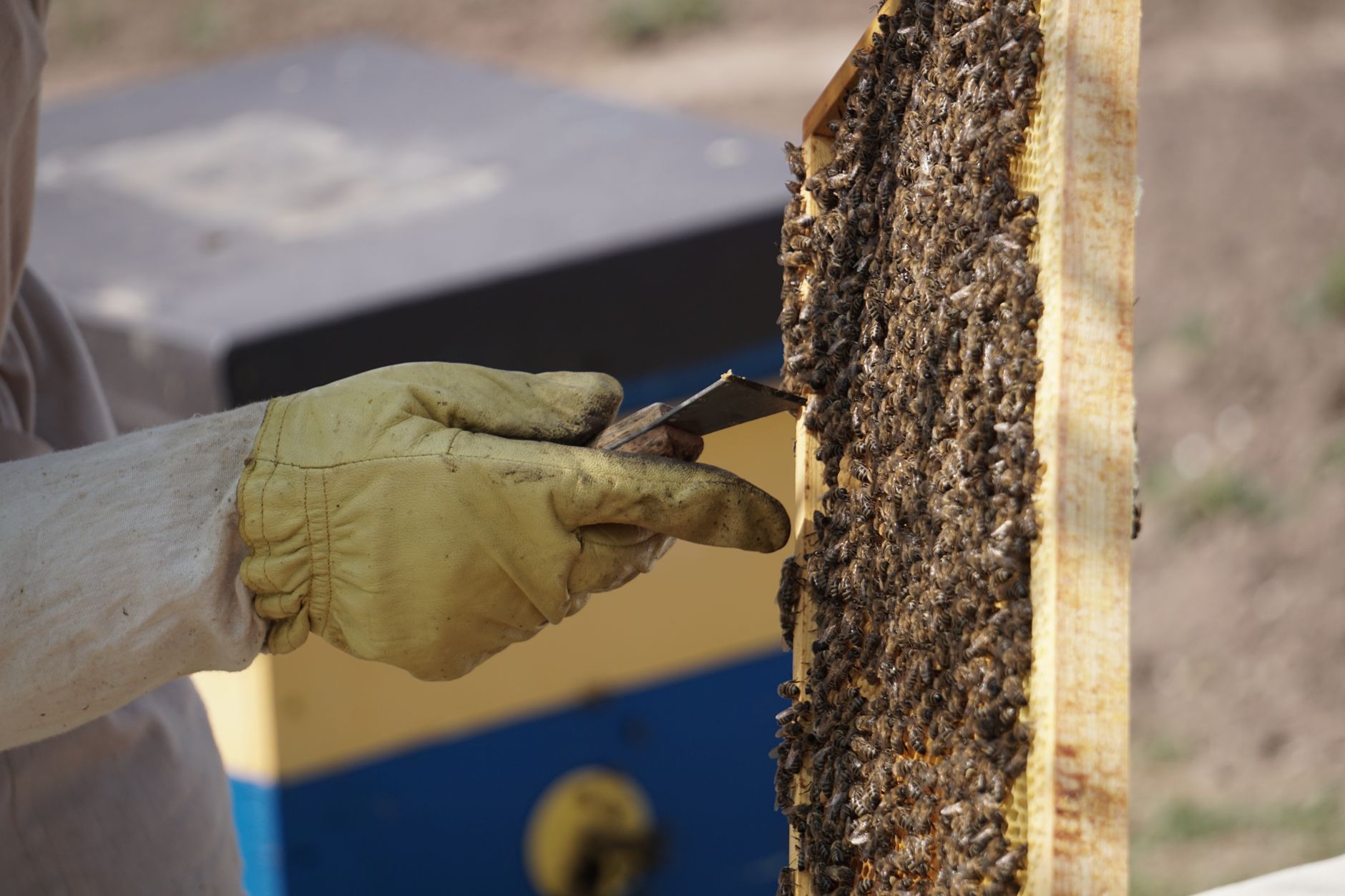
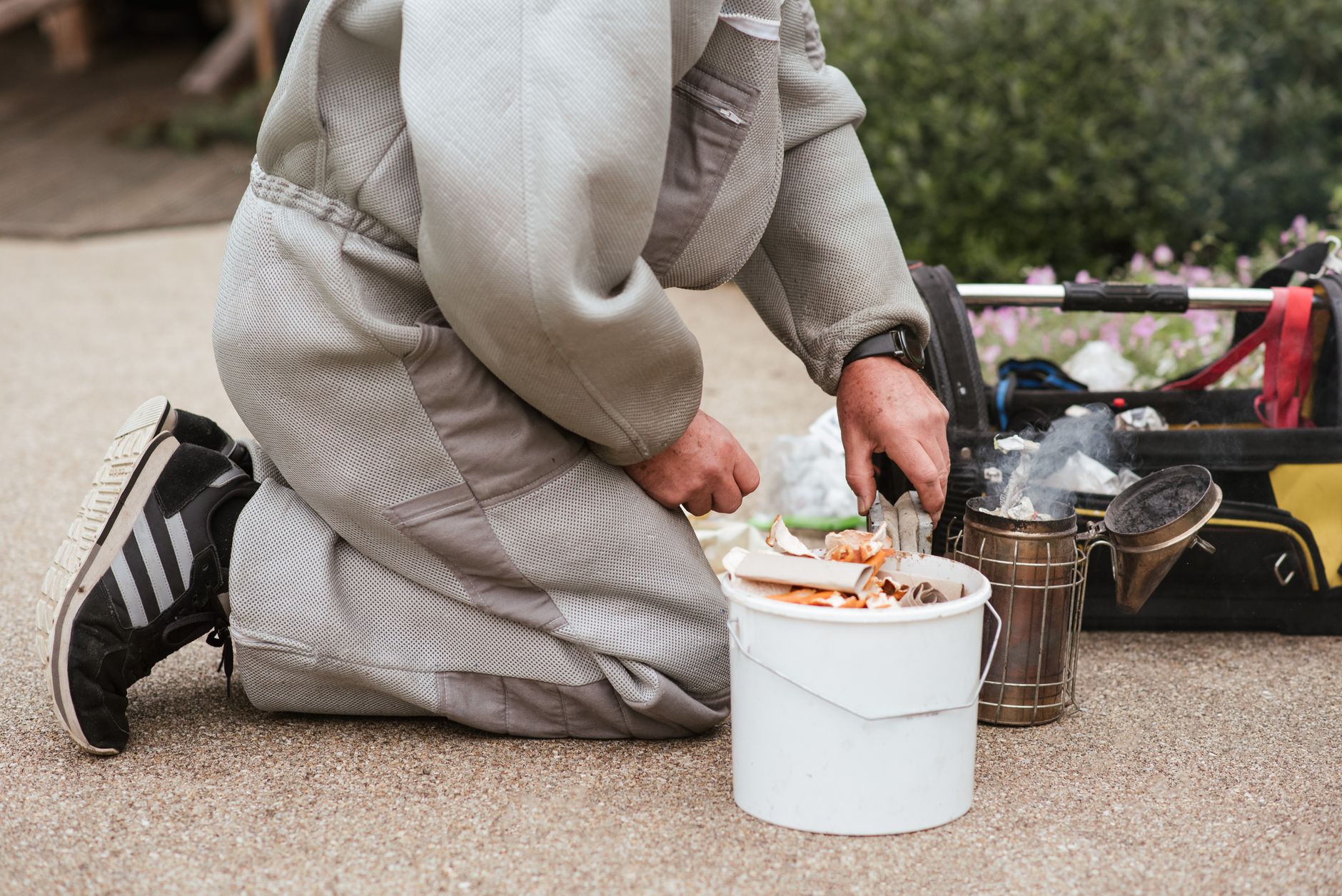
Protective gear is not optional. Plan on $80 to $180 for a ventilated jacket or full suit, plus good gloves. A ventilated bee jacket is a good middle ground for warm climates, while a full suit protects your ankles and neck. A stainless steel bee smoker and hive tool often add $30 to $60 together, but they are essential for calm inspections. You may already own a spray bottle for sugar syrup, which helps with gentle bee handling.
Bees themselves are a separate line item. A three-pound package with a mated queen typically costs $140 to $180. A five-frame nucleus colony, or nuc, usually runs $180 to $230 and is worth the extra cost for many beginners. Use the buying bees guide to compare package bees and nucs. Do not turn live bees into an online shopping product. Buy from a local breeder, bee club, or trusted apiary supplier instead.
What Are the Hidden or Overlooked Startup Costs?
Starter kits often leave out several items that new beekeepers need quickly. The most common overlooked cost is varroa mite treatment. You should have a treatment plan before bees arrive. Depending on the method, you may spend $25 to $70 on a miticide, a vaporizer, or monitoring supplies. The varroa mite treatment guide explains integrated pest management. Many veteran beekeepers say that skipping mite control is one of the biggest beekeeping mistakes beginners make.
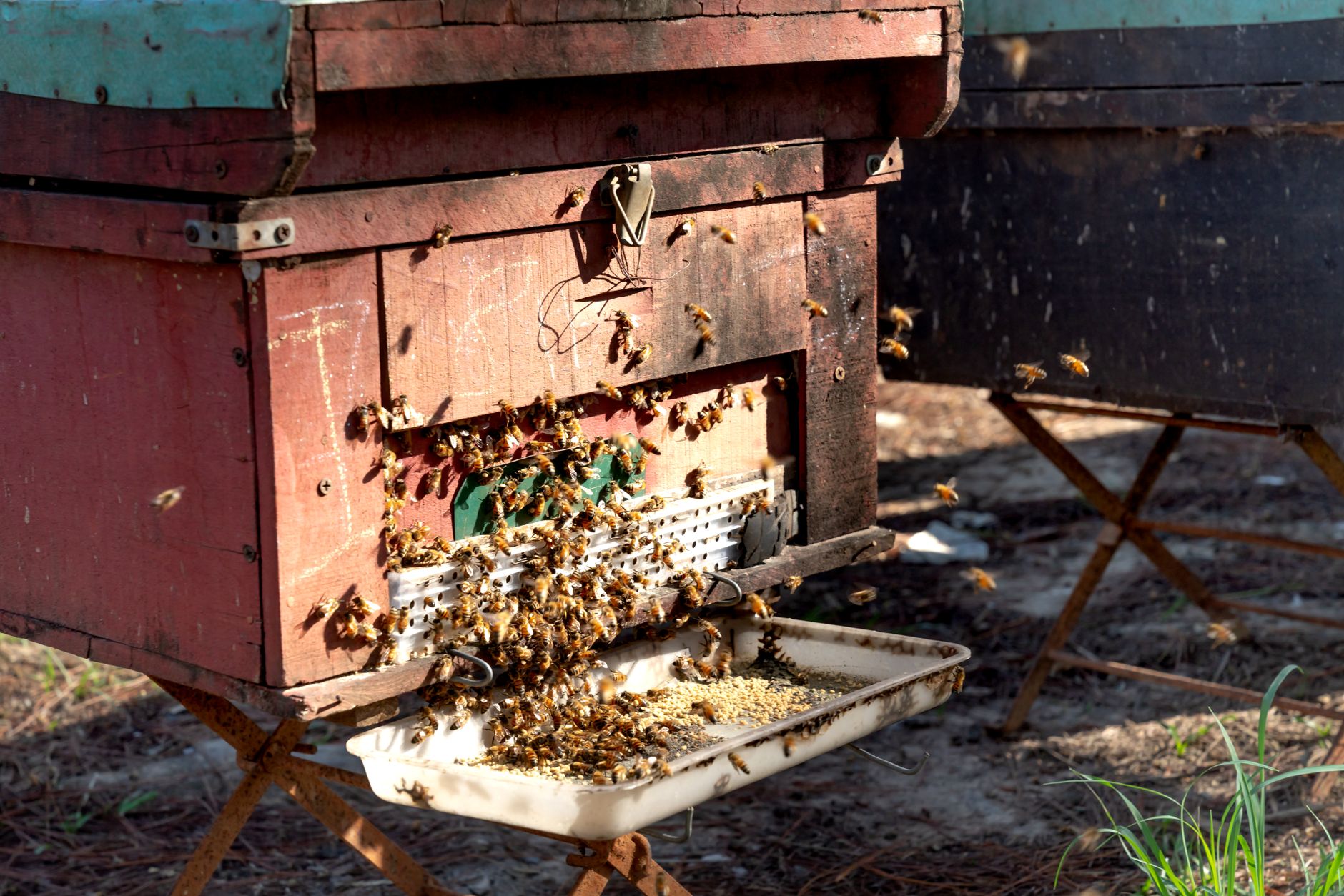
Feeders, sugar, and pollen substitutes are easy to forget. New packages and nucs often need supplemental feeding while they draw comb. Plan on $20 to $50 for a feeder and sugar syrup in the first season. You may also want a queen excluder, extra deep box, or additional frames within the first two months. Those smaller purchases are common by the first nectar flow. A second brood box is not always required at install, but many colonies need it before summer ends.
Regional factors also change the bill. Some states require hive registration, usually $5 to $20 per year. If you live in a cold climate, you may need moisture boards, hive wraps, or insulation. University extension services can point you to local beekeeping advice that matches your climate and pest pressure. Ask a nearby club what hidden equipment is most common in your area before you buy.
How Much Do Bees and Queens Cost in 2026?
Package bees are the cheapest way to buy an entire colony. A three-pound package with a young mated queen typically costs $140 to $180. The bees arrive in a screened box with a can of syrup and a queen cage. Packages take longer to build comb and brood, so they need careful feeding. A five-frame nuc is a small, already working colony with drawn comb, brood, food, and a laying queen. Nucs usually cost $180 to $230 and often outperform packages in the first year.
Local nucs and overwintered queens tend to cost more, but they can be worth it. Queens bred from regional stock often show better survival and honey production. If you want to understand the differences before ordering, review your buying options through a local beekeeping association. You can learn to split a hive later to make more colonies without buying bees again. That skill pays for itself quickly.
Remember that bees are living organisms, not an online commodity. Do not buy them through generic online marketplaces unless you know the supplier. The American Beekeeping Federation and local associations list regional breeders. Order early in winter. Many 2026 package and nuc suppliers sold out by March in previous years.
What Does It Cost to Keep Bees Each Year?
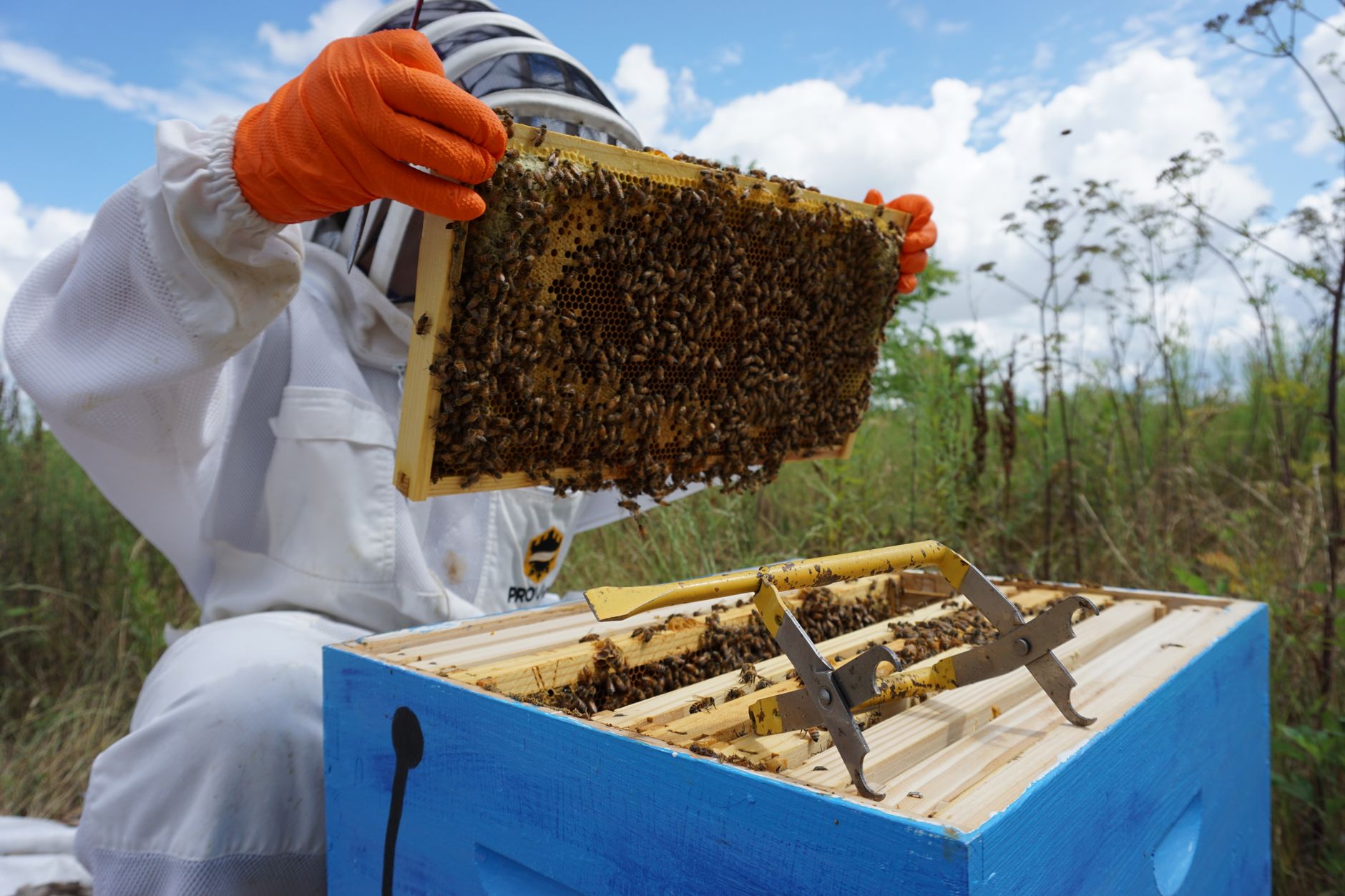
After the first year, annual costs usually drop. Plan on $100 to $250 per hive for sugar, mite treatment, replacement frames, and occasional new equipment. You may also need to replace a queen if the colony fails or becomes aggressive. Expect to buy feed in late summer or early fall when nectar disappears. Varroa control remains a recurring expense, and the Honey Bee Health Coalition recommends monitoring mites regularly during the active season.
Honey yield can soften the budget, but do not count on profit in year one. USDA data shows an average of about 44 pounds of honey per colony for operations with five or more hives. Your first hive may produce 20 to 40 pounds if conditions are good. Read how much honey one hive produces to set realistic expectations. At $8 to $12 per pound for local raw honey, a healthy hive can offset some feeding and treatment costs.
Overwintering losses are the biggest hidden annual risk. Some regions see high loss rates when varroa pressure, weather, or queen issues combine. Plan to have funds for a replacement nuc or package if a colony fails. Many successful beginners start with two hives for this reason. A second hive costs more upfront but gives you resources to compare and often saves money through splits later.
How Can You Start Beekeeping on a Budget?
It is possible to start under $400 if you are resourceful. Buy an unassembled kit instead of pre-assembled woodenware. You can save $40 to $80 and learn how the hive fits together. Some bee clubs sell used equipment at auctions or donate starter gear to new members. Be careful with used boxes that may carry disease. Review beginner mistakes before you buy used equipment, because a cheap box can cost you a colony.
Capture a swarm instead of buying package bees. Swarm-catching is local, free, and often gives you bees adapted to your area. The bee swarm guide walks through safe collection and hive installation. You still need the hive ready before the swarm arrives. Check local swarm lists, community groups, and beekeeping associations in spring. Many clubs maintain a list of beekeepers who collect swarms for free.
Delay buying a honey extractor. First-year harvests are small, and crush-and-strain works fine for one or two frames. You can borrow an extractor from a bee club or rent one during harvest season. Spend that money on mite treatments and high-quality protective gear instead. A better suit and gloves reduce stings, which keeps new beekeepers motivated. The first winter survival matters more than any honey gadget.
Is Beekeeping Worth the Upfront Cost in 2026?
For most people, yes, but not because it is a money machine. Beekeeping pays back in education, garden pollination, and a direct connection to food. A single hive can pollinate an entire urban garden and produce enough honey for a family. If you live in a city, check local rules and hive placement before you buy. Urban beekeeping is popular, but it requires neighbor awareness and a good water source.
Financially, break-even usually takes two to three years. Your first season is almost all cost. By year two, you may harvest 40 to 60 pounds from an established hive. That honey at local prices could cover your annual maintenance and part of your startup gear. If you split your hive, you can recover faster. Learning when to start a hive and how to split one helps you time expansion without buying bees.
The real value is long term. A well-managed hive can live for years with the same queen line and equipment. Your initial woodware may last a decade or more with paint and minor repairs. The American Beekeeping Federation and local clubs offer ongoing learning that lowers losses. If you stay realistic about costs and put colony health first, the first $500 to $800 becomes one of the most rewarding investments you can make.
Frequently Asked Questions
How much does it cost to start beekeeping in 2026?
Plan on $500 to $800 for one complete hive. That includes a starter kit, protective gear, smoker, hive tool, bees, and basic mite treatment. You can spend less with used equipment or a free swarm.
Can I start beekeeping for under $300?
Yes, if you build a hive, borrow gear, or catch a swarm. But this path carries more risk because used equipment may harbor disease and free swarms are unpredictable. New keepers often do better with a $500 to $800 budget.
Do I need two hives to start?
No, but two hives are strongly recommended. A second hive lets you compare colony health and share resources like brood or honey frames. It roughly doubles your upfront cost.
What is the most expensive part of starting beekeeping?
For new beekeepers, the hive kit and bees are usually the largest costs. Protective gear and mite treatments are smaller but essential. Long term, replacement bees and varroa control add up most.
Do I need a honey extractor in my first year?
No. A first-year hive rarely produces enough honey to justify an extractor. You can use crush-and-strain or borrow a club extractor. Wait until you have at least two to three productive hives.
How much honey will one hive produce in the first year?
Expect 20 to 40 pounds if the colony builds well and stays healthy. USDA data shows an average of about 44 pounds per colony for established operations with five or more hives.
What Should You Remember?
- Budget $500 to $800 for a complete first hive with new equipment and bees.
- Buy a Langstroth starter kit and protective gear before bees arrive.
- Set aside $25 to $70 for varroa mite treatment in your first season.
- Expect $100 to $250 per hive annually for feed, treatments, and replacements.
- Start with local bees or a nuc when possible, but never buy bees as an online cart item.
- Delay extractors and extra hives until your colony survives its first winter.
- Treat beekeeping as a skills investment, not a fast honey profit.
This article is for general information only and is not veterinary or legal advice. Beekeeping is regulated in most regions and involves live animals with their own health needs , always follow local regulations and best practices, and consult a qualified apiarist, extension service, or veterinarian for bee-health or disease concerns.