Your first hive decision sets the tone for your whole first season. You can buy a package of bees, buy a nucleus colony called a nuc, or make a split from an existing hive. These three options are not equal in cost, speed, or risk. Packages give you bees and a queen in a box. Nucs give you a small functioning colony on drawn frames. Splits give you frames of bees and brood pulled from an established colony. New beekeepers often focus on price first. Experienced beekeepers focus on colony momentum. A colony that starts with brood and drawn comb usually builds faster than a package on bare foundation. That difference shows up in varroa management, winter survival, and honey yield.
The USDA National Agricultural Statistics Service counted about 2.7 million honey-producing colonies in the United States in recent years. Hobbyist losses remain high in many regions. Winter loss surveys often report 40 to 50 percent for backyard colonies. Those numbers sound scary. Your bee source is one of the few variables you control before day one. A package can replace a deadout cheaply. A nuc may carry local survivor genetics and a laying queen. A split from a healthy local colony can be the most resilient option of all. The American Beekeeping Federation recommends new beekeepers learn from local mentors and buy bees from reputable regional suppliers when possible. That local matching matters.
Before you order, think about your learning curve. Packages require more patience and more feeding. Nucs require more money up front but fewer emergency calls. Splits require access to a strong colony and a basic understanding of queen cells. Your local climate and the date you plan to install bees also matter. In 2026, several bee suppliers are booking nucs and packages earlier than ever. Many good operations sell out by March or April. If you want a specific bee type like Russian, Carniolan, or Saskatraz, place a deposit early. For a full beginner overview, start with our complete beginner guide to starting your first honey bee hive. For realistic upfront costs, read how much does beekeeping cost.
| Option | What You Get | 2026 Typical Cost | First Year Honey Potential | Best For |
|---|---|---|---|---|
| Package | 3 lb loose bees plus a caged queen | $140-$180 plus shipping | 15-30 lb | Budget starters with flexible timing |
| Nuc | 5 frames with brood, queen, and stores | $175-$250 local pickup | 30-60 lb | Beginners wanting the smoothest start |
| Split | Frames from an existing strong colony | $0-$45 if you add a queen | 20-50 lb | Keepers with access to a strong donor hive |
How Do Packages, Nucs, and Splits Actually Differ?
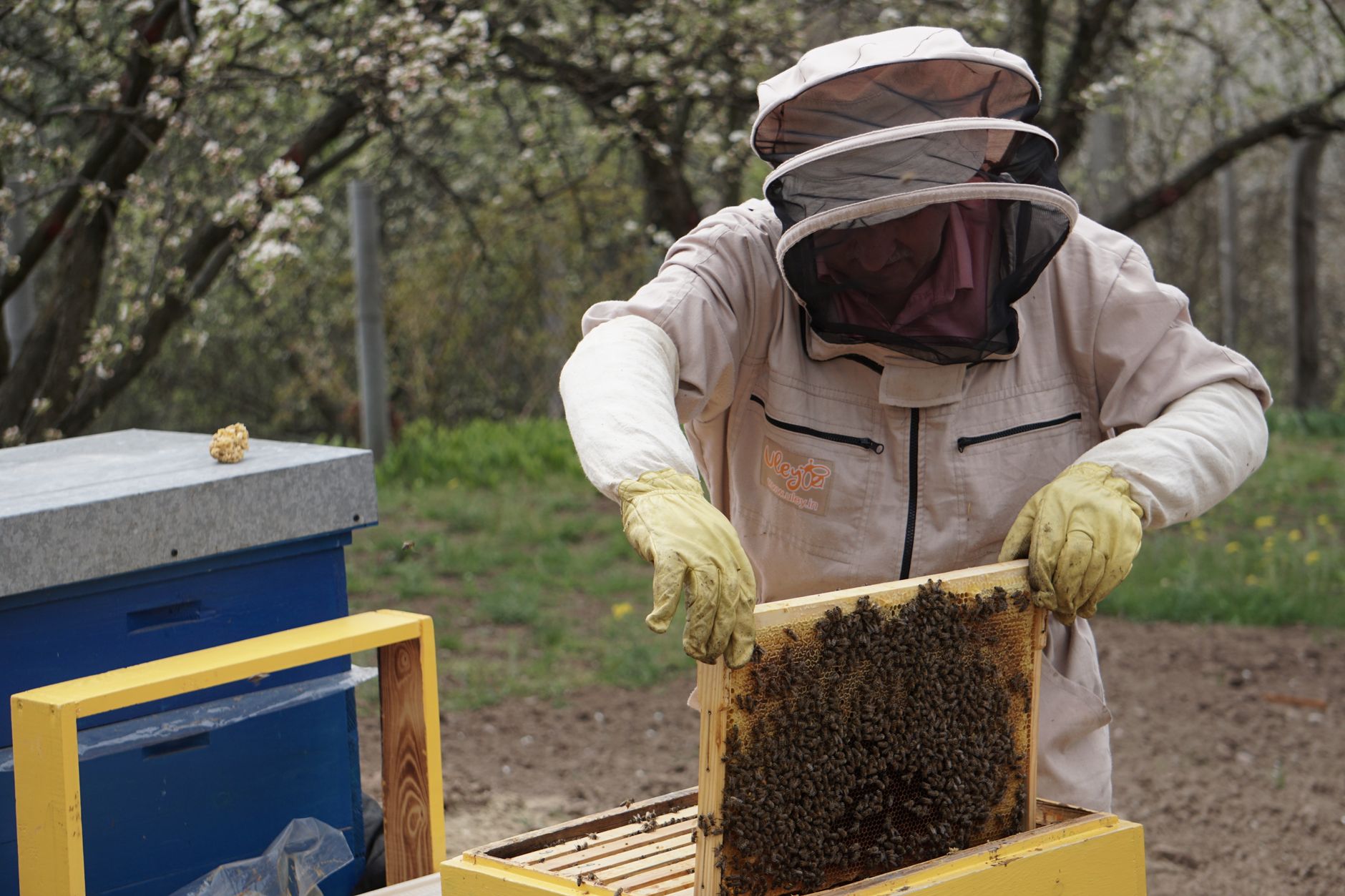
A package is a screened wooden or plastic box with about 10,000 to 15,000 worker bees, a can of sugar syrup, and a separate queen cage. The queen is not yet accepted by those workers. You install the package by shaking or pouring bees into a hive. Then you hang the queen cage and wait several days for the colony to release her. The colony starts with zero drawn comb, zero brood, and zero stored pollen. That means every frame must be built from foundation. A package also loses a percentage of older bees during installation and in the first week.
A nuc, short for nucleus colony, usually contains five deep frames. It has a laying queen, several frames of brood in all stages, stored pollen, nectar, and enough adult bees to cover the brood. You transfer those frames directly into your hive box. The colony keeps its resources and keeps working. A nuc does not need to draw comb before the queen can lay. That head start is large. A good nuc can often build into a full deep brood box in four to six weeks. You may even be able to add a second box by early summer.
A split is a division of an existing colony. You take frames of brood, honey, pollen, and nurse bees from a strong hive. You either add a queen cell, a mated queen, or let the split raise its own queen. A split keeps local genetics and gains the same brood momentum as a nuc. The difference is that you must have a donor colony. Many new beekeepers make splits from a mentor’s hive or from their own overwintered colony in year two. Local overwintered queens often perform better in your microclimate. Read how to split a beehive for a step-by-step walkthrough.
- Package: 10,000 to 15,000 bees, no comb, no brood.
- Nuc: five frames with brood, a laying queen, and food stores.
- Split: frames from a strong existing colony, with or without a new queen.
What Does Each Option Cost in 2026?
Prices vary by region, bee type, and shipping method. In 2026, a three-pound package of Italian or Carniolan bees with a mated queen often costs between $140 and $180 before shipping. Russian or Saskatraz packages may run $10 to $30 more. Shipping is not a small line item. A package can arrive via USPS or UPS, but your local post office may call you early in the morning to pick up buzzing cargo. Nucs usually cost $175 to $250 for five frames, and local pickup is standard. Some suppliers ship nucs in ventilated containers, but that adds stress and cost. A split can cost almost nothing if you have a donor hive and buy a mated queen for $30 to $45. If you use a walk-away split and let the bees raise their own queen, the direct bee cost is zero.
Price is only one line item. Your time and feeding cost also change. A package needs several pounds of sugar syrup and possibly pollen substitute during its first month. That can add $20 to $40. A nuc arrives with food stores but may still need light feeding during a cold snap. A split usually needs feeding if the donor colony is not extremely strong. You also need a hive ready before the bees arrive. A basic hive, frames, foundation, feeder, and protective gear can push first-year equipment beyond the cost of the bees. A strong nuc may yield 30 to 60 pounds of surplus honey in its first season. A package often yields 15 to 30 pounds because it spends weeks building comb. For a ready box, compare best beehive starter kits 2026.
Which Option Is Easiest for a First-Year Beekeeper?
For most first-year beekeepers, the nuc wins on ease. You move five frames into a clean hive, add empty frames, close the lid, and feed lightly. The queen is already laying. You do not need to release a queen from a cage or wait for acceptance. That removes one of the most common beginner failures. A package queen must be accepted by thousands of workers she has never met. If the workers reject her or if you mishandle the cage, the colony can fail in the first week. Nucs also reduce early comb-building stress. The bees use existing drawn comb for brood and storage.
But a package is not impossible for a careful beginner. Thousands of new beekeepers start with packages every year. The key is to feed heavy syrup, avoid opening the hive for at least five to seven days, and check that the queen is released. You should also monitor varroa early. A new package can bring mites or meet them quickly from nearby hives. The Honey Bee Health Coalition and university extension programs offer clear varroa testing guidance. If mite counts are high, you may need a treatment like Check the Apivar varroa treatment on Amazon. A split is usually a second-season move. You need a strong colony to divide and the confidence to identify frames with eggs and young larvae. If you already have mentor support, a split can be a free education. If you are alone on day one, it can feel overwhelming. See how to do a hive inspection so you can check your new colony without doing more harm than good.
When Should You Choose a Split Instead of Buying Bees?
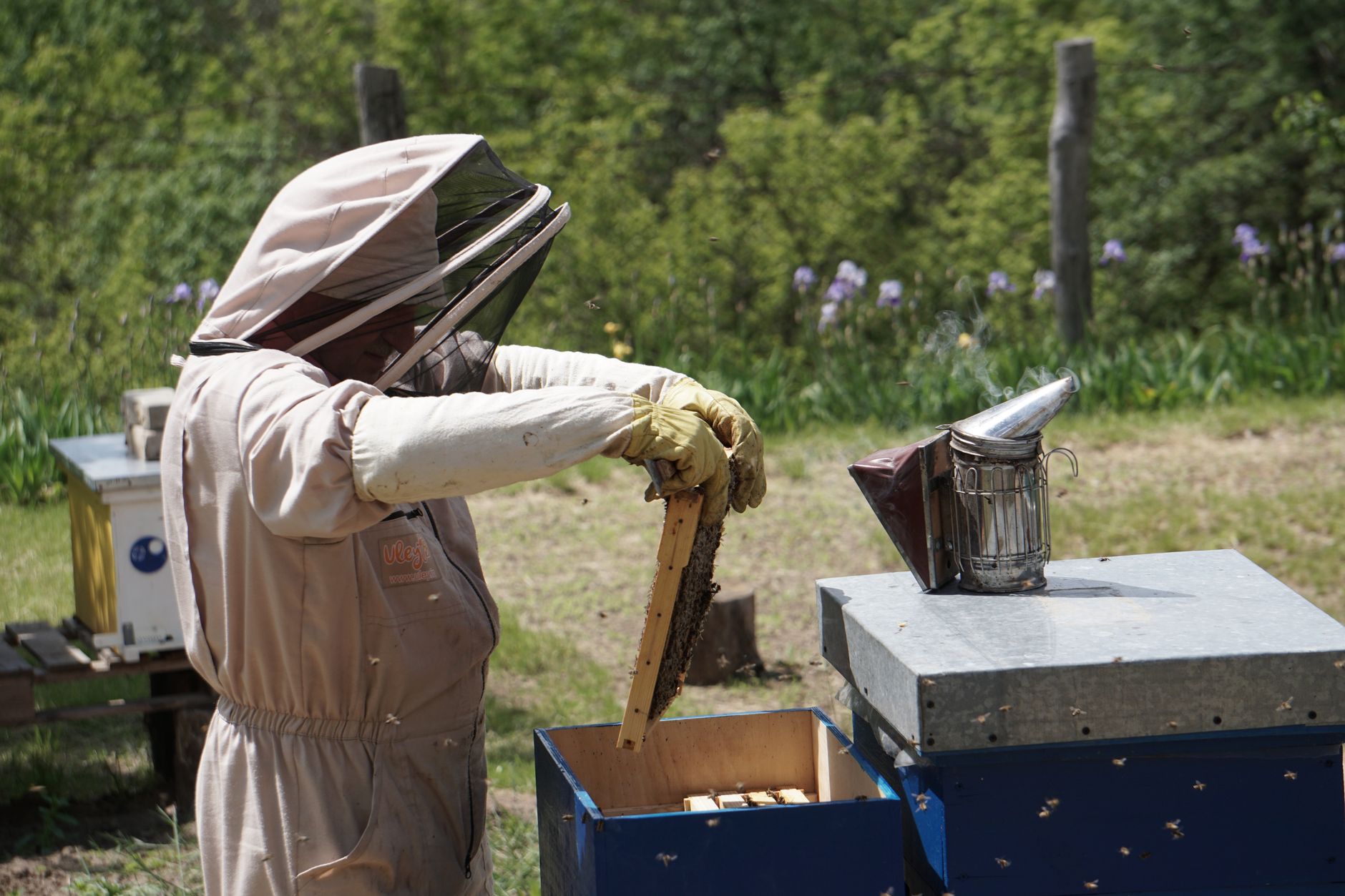
A split makes the most sense when you already have a strong overwintered colony or a nearby mentor with extra bees. It works best in spring when the donor hive has plenty of drones and brood. You can create a five-frame split that looks almost identical to a purchased nuc. The difference is that you know the source colony. If it survived your local winter and built up well, you are preserving those traits. That local survival data matters. The USDA Agricultural Research Service supports research on breeding bees that survive varroa and winter stress. A split from a tested local colony can be more resilient than bees shipped across state lines.
Splits also make sense if you cannot find a quality nuc supplier near you. Local nucs often sell out early. A package may be your only shipped option. If you have a mentor who can help you split a strong colony, you can avoid shipping losses. A split requires equipment: a spare hive body, frames, and either a mated queen or queen cells. You can buy a queen locally. You may also need to feed the split for a few weeks. If you plan to let the split raise its own queen, you add three to four weeks of brood rearing before foraging really expands. That delay can reduce your first honey crop. It also requires drones for mating. Early spring splits in cold regions can fail if the weather turns bad. For a full guide on timing, see when to start a beehive.
What Should You Prepare Before Your Bees Arrive?
Your bees will arrive before your confidence does. Prepare the hive, stand, feeder, and protective gear first. A package needs a hive with foundation, an entrance feeder or frame feeder, and sugar syrup mixed at a 1:1 ratio by weight. A nuc needs an empty five-frame space and a little feed if the weather is cold or wet. A split needs a spare hive and a plan for queen introduction. Keep a hive tool and smoker ready before the bees arrive. You should also decide where the hive will live. Full sun, morning sun, wind protection, and a nearby water source all matter.
Arrival day is not the time to read the manual. You need a clear sequence. For a package, spray the bees lightly with syrup, remove the feed can and queen cage, cover the queen cage with a candy plug, and place it between frames. Then shake or pour the bees in. For a nuc, move frame by frame in the same order. Keep the frames tight together. For a split, move brood frames into the new box, add bees, close the hive, and reduce the entrance. Never leave a package or nuc in a hot car. State extension programs and local beekeeping clubs often host installation workshops before the spring rush. If you cannot find a workshop, watch several reliable videos from a university extension before your bees arrive.
Frequently Asked Questions
What is the main difference between a package and a nuc?
A package is a box of loose bees and a caged queen. A nuc is a small colony on five frames with a laying queen and brood. Nucs build up faster because they already have drawn comb and young bees.
Can a beginner start with a split?
Yes, if you have a strong donor hive and a mentor who can help you identify brood frames. A split is usually easier in your second season because it requires more hive judgment.
How much honey can I expect in the first year?
A healthy nuc can produce 30 to 60 pounds of surplus honey. A package often produces 15 to 30 pounds because it spends more time building comb. Local weather and varroa control change those numbers.
When should I order bees for 2026?
Order packages and nucs in winter or early spring. Many regional suppliers sell out by March or April. Local nuc producers often take deposits starting in January.
Do packages have a higher failure rate than nucs?
Packages have more early risks because the queen must be accepted and the colony starts with no comb. Nucs are more forgiving for new beekeepers. Good feeding and low-stress installation reduce package failures.
Are local nucs worth the extra cost?
Usually yes. Local nucs often come from queens that survived your climate. That local adaptation and the head start of drawn comb can help the colony overwinter.
What Should You Remember?
- Start with a nuc if you want the smoothest first hive and fastest buildup.
- Choose a package if budget is tight and you are ready to feed and monitor closely.
- Make a split only when you have a strong donor colony or a mentor.
- Order early because 2026 nucs and packages sell out by March in most regions.
- Prepare equipment before bees arrive, including a hive, feeder, sugar syrup, and protective gear.
- Test for varroa early even in new colonies, then treat with a legal product when counts exceed thresholds.
This article is for general information only and is not veterinary or legal advice. Beekeeping is regulated in most regions and involves live animals with their own health needs , always follow local regulations and best practices, and consult a qualified apiarist, extension service, or veterinarian for bee-health or disease concerns.