New beekeepers often spend months reading about hive parts and bee biology, then stumble on a simple question: When should I actually start? Timing is not a minor detail. Honey bee colonies operate on a seasonal calendar. They raise brood, collect nectar, and produce wax most actively during spring and early summer. If you install bees too late, they may not have enough time to draw comb and build population before colder weather arrives. If you start too early, a late cold snap can chill a small cluster. Understanding this rhythm before you order equipment can save money, frustration, and colony loss.
Most experienced beekeepers agree that spring is the best season. In many U.S. regions, that means April, May, or early June. But the best date depends on local frost dates, elevation, and nectar flow. The American Beekeeping Federation emphasizes that new colonies need a strong start during abundant forage. A spring start allows a package or nucleus colony to grow through the brood-rearing season and enter winter with enough stored honey and young bees. That is why you should treat the calendar as a flexible guide, not a fixed rule.
The good news is that you can prepare before the season begins. Read through the complete beginner’s guide to starting your first honey beehive, gather tools, and decide whether you will use package bees, a nuc, or a locally overwintered colony. You can also line up a mentor through a local bee club. If you wait until the weather feels warm to order bees, many suppliers will already be sold out. Spring beekeeping starts in winter.
| Season | Typical Timing | Best For | Biggest Risk | What to Do |
|---|---|---|---|---|
| Late winter / very early spring | Feb-Mar in mild regions, Mar-Apr in cool regions | Ordering bees and assembling equipment | Suppliers sell out, late cold snaps | Order nucs or packages, build and paint hives |
| Early to mid spring | Apr-May in most temperate areas | Installing package bees or nucs | Late frost, limited early forage | Install on a mild day, feed syrup, monitor queen |
| Late spring to early summer | Late May-June | Nucs and locally mated queens | Missing main nectar flow | Feed if needed, add supers only when strong |
| Midsummer | July-Aug | Emergency replacement or swarm catch | Heat, dearth, varroa buildup | Feed and monitor mites aggressively |
| Fall to winter | Sept-Feb | Winter prep, not new starts in cold climates | Weak cluster, starvation, moisture | Reduce entrances, feed, insulate, mite check |
Why Does Seasonal Timing Matter for a New Beehive?
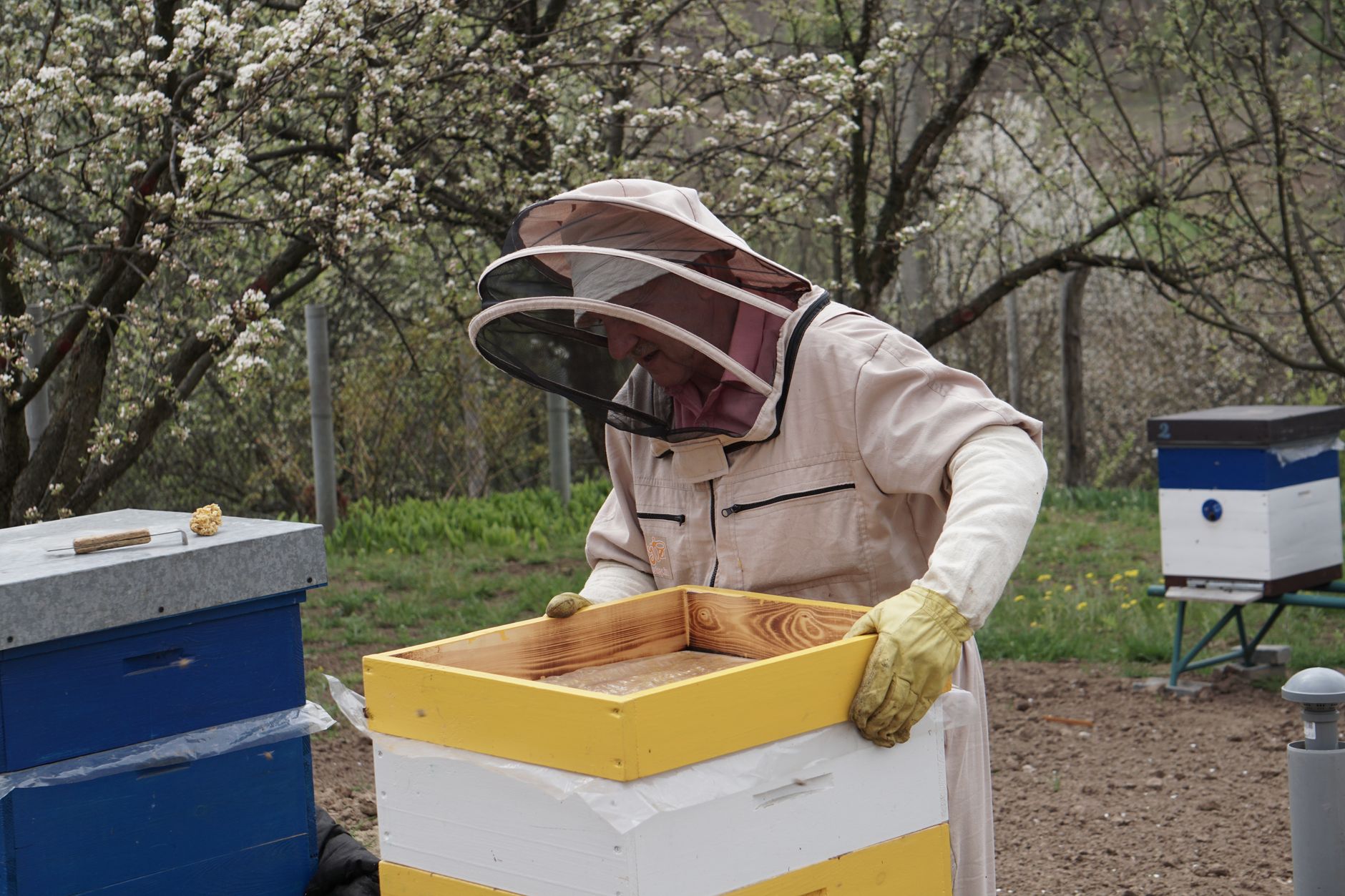
Seasonal timing shapes the first year in your hive. A honey bee colony is not a static box of insects. It expands and shrinks with day length, temperature, and food availability. In spring, queens ramp up egg laying. Workers draw fresh wax. Foragers find early pollen from maple, willow, dandelion, and fruit trees. A colony started during this surge can grow from a few thousand bees to 30,000 or more by summer. That growth allows the colony to store surplus honey and produce winter bees.
Data from the USDA Agricultural Research Service helps explain why timing matters. In 2023, U.S. honey producers with five or more colonies harvested about 139 million pounds of honey from 2.68 million colonies. The average yield was 51.8 pounds per colony. Those production numbers depend on colonies reaching full strength during major nectar flows. A hive that starts late misses early nectar and pollen. It may still grow, but it will often need more supplemental feeding and may enter fall with a smaller cluster.
Late starts also raise overwintering risk. Recent national surveys place winter colony losses near 37 percent and total annual losses above 48 percent in some years. Many of those losses involve weak colonies, varroa pressure, and poor fall nutrition. A spring start gives you time to learn mite monitoring, treat if needed, and feed before winter. You can read more in our common bee diseases and pests guide.
What Is the Best Month to Install Package Bees or a Nuc?
In most temperate regions, April through early June is the safest window. The exact month depends on your local last frost date and early forage. Aim for a period when daytime highs are consistently in the 50s or 60s, nighttime lows stay above 40°F, and dandelions, fruit blooms, or clover start opening. Bees can fly at cooler temperatures, but a small package colony installed during freezing nights has less ability to keep brood warm and draw comb.
Package bees are usually less expensive but slower to build. A package is a screened box with a mated queen and about 10,000 worker bees. A nucleus colony, or nuc, contains five frames of drawn comb, brood, honey, and a laying queen. Nucs establish faster because the colony already has eggs, larvae, and food on frames. Learn the differences in our buying bees guide for packages, nucs, and splits.
If you are starting in April, order bees in January or February. Many suppliers sell out of spring nucs and packages by March. The same applies to equipment. To avoid scrambling, review our best beehive starter kits for 2026 and have boxes, frames, and a feeder assembled before your bees leave the supplier. A strong start is mostly logistics, not luck.
Can You Start a Beehive in Summer or Fall?
Summer starts are possible but harder. If you install bees in July, the main nectar flow may already be fading in many regions. The colony must still draw comb and raise brood, but natural food may be scarce. You will almost certainly need to feed sugar syrup and possibly pollen substitute. A late summer start also leaves little time for varroa mite management before fall. High mite loads in autumn are a top driver of colony failure. See our varroa mite treatment guide for a practical timeline.
Fall is normally the worst time to start from scratch in a cold climate. A package installed in September has almost no chance to build enough winter bees and stores, unless you live where winters are mild and forage continues. In the deep South, parts of California, or subtropical climates, a fall nuc from a local overwintered colony can sometimes succeed. But even there, monitor food stores and brood pattern carefully.
If you already have an established hive, late summer and fall are excellent times to prepare for winter. Check hive weight, reduce entrances, and make sure varroa levels are low. Our winterizing guide walks through a seasonal shutdown sequence.
How Should You Prepare Before Your Bees Arrive?
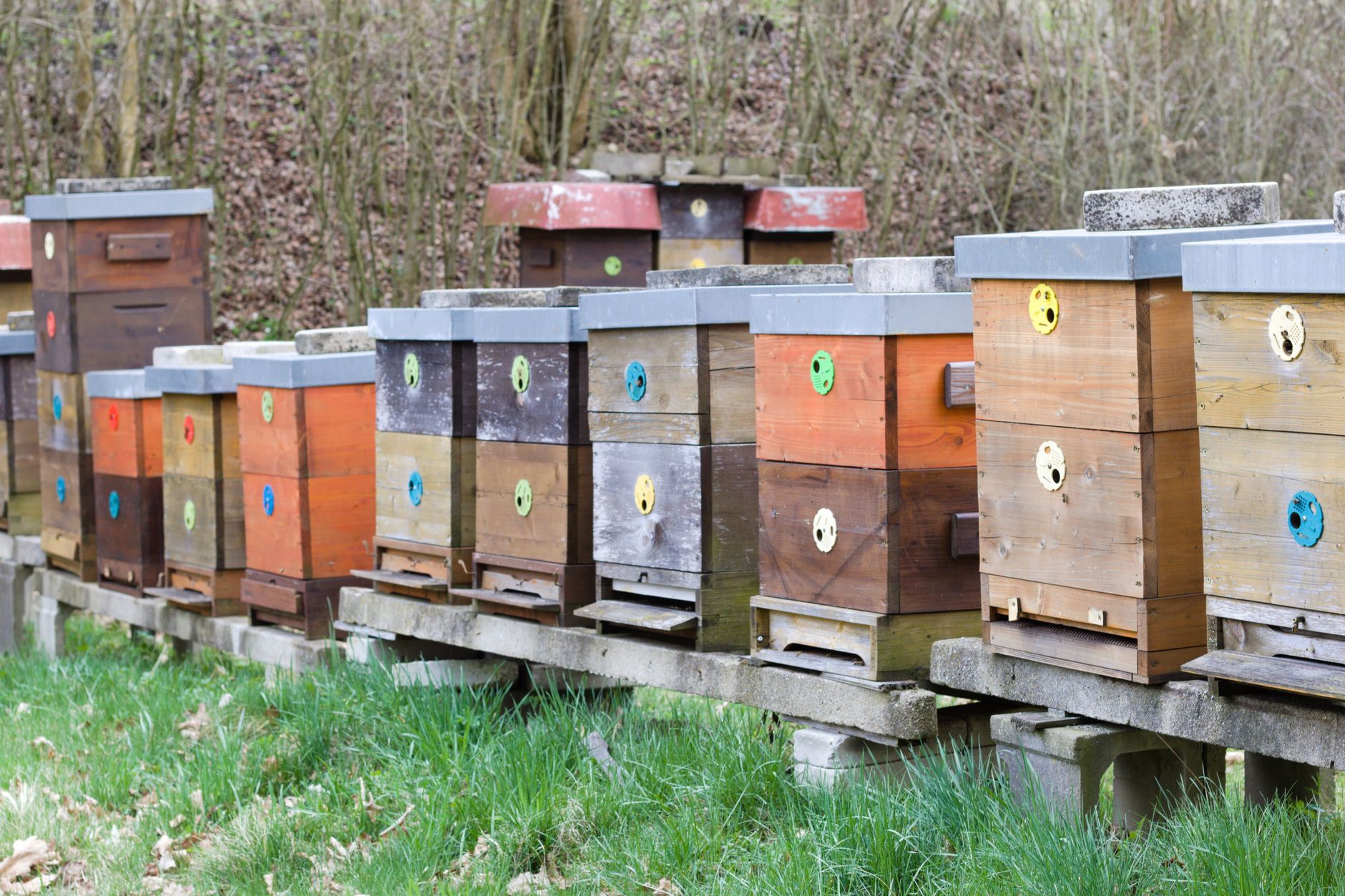
Good timing is worthless without ready equipment. Before your bees arrive, assemble your hive, paint or seal exterior parts if needed, and place the stand on level ground. The site should have morning sun, light afternoon shade in hot climates, and a windbreak. Face the entrance southeast to encourage early foraging. Set up a water source within 50 feet so bees do not pester neighbors.
You also need to plan feeding. New packages have no drawn comb and no stored honey. They need a steady supply of light sugar syrup until they draw frames and find natural nectar. A top feeder or frame feeder works well for a new colony. Keep syrup available but do not let it drip or promote robbing. If you use a boardman feeder at the entrance, watch for wasps and other bees.
Finally, line up a local mentor or join a bee club. Regional guidance beats generic advice because bloom dates and winter severity vary. If you are in a city, check local hive rules and good neighbor practices. Many cities allow hives, but setbacks and water source rules vary.
How Does Regional Climate Change the Best Start Date?
Climate zones move the calendar. In the northern Plains and New England, the safe window may be late April through early June. In the Gulf Coast and desert Southwest, you can often start as early as February or March, but you also face heat and dearth later. In the Pacific Northwest, cool rainy springs can delay comb building. There, nucs on drawn comb are often a smarter choice than packages.
Use local frost dates and bloom maps instead of nationwide advice. Your state extension service is one of the best resources here. Through eXtension, you can find region-specific beekeeping guidance from land-grant universities such as Penn State and UC Davis. They publish local bloom calendars, pest pressure data, and winter preparation schedules. The Honey Bee Health Coalition also offers climate-specific varroa management tools and best management practices.
For hot climates, the issue is often summer dearth rather than winter. Bees may stop rearing brood when temperatures stay above 100°F and flowers dry out. In those areas, early starts are even more important because the colony needs to be strong before the main spring flow ends. For very cold climates, fall preparation starts in August with mite checks and heavy feeding in September.
Frequently Asked Questions
When is the best month to start a beehive in most of the U.S.?
April through early June is the most reliable window. Wait until daytime highs reach the 50s and 60s and nighttime lows stay above 40°F. Local bloom and frost dates matter more than a calendar month.
Can I start a beehive in July?
It is possible if you feed heavily and manage mites, but the colony will likely produce little or no surplus honey the first year. In hot climates, choose a nuc from a local overwintered colony rather than a package.
Is it too late to start a beehive in September?
In most cold-winter regions, yes. Bees installed in early fall rarely have enough time to draw comb, raise winter bees, and store honey. You may be able to start a nuc in mild subtropical areas.
When should I order bees and equipment?
Order package bees and nucs in January or February for a spring start. Many suppliers sell out by March. Order hive kits and tools at the same time so you can assemble everything before the bees arrive.
What should I do if my bees arrive before flowers bloom?
Feed 1:1 sugar syrup and provide a pollen substitute if no pollen is visible. Keep feeders full until the colony has built comb and natural nectar and pollen are available.
Do I need to feed a new spring hive all season?
No. Feed while the colony builds comb and becomes established, then taper off during a strong nectar flow. Resume fall feeding only if the hive is light and has less than 40 to 50 pounds of stored honey.
What Should You Remember?
- Early spring is the best time to start a beehive in most regions.
- Order bees in January or February to avoid spring sellouts.
- Nucs establish faster than packages because they arrive with drawn comb and brood.
- Check local frost dates and bloom maps before picking an install day.
- Feed new packages until they draw comb and nectar flows pick up.
- Start mite checks in summer so fall varroa loads do not collapse the colony.
- Prepare equipment before bees arrive to avoid timing delays.
This article is for general information only and is not veterinary or legal advice. Beekeeping is regulated in most regions and involves live animals with their own health needs , always follow local regulations and best practices, and consult a qualified apiarist, extension service, or veterinarian for bee-health or disease concerns.