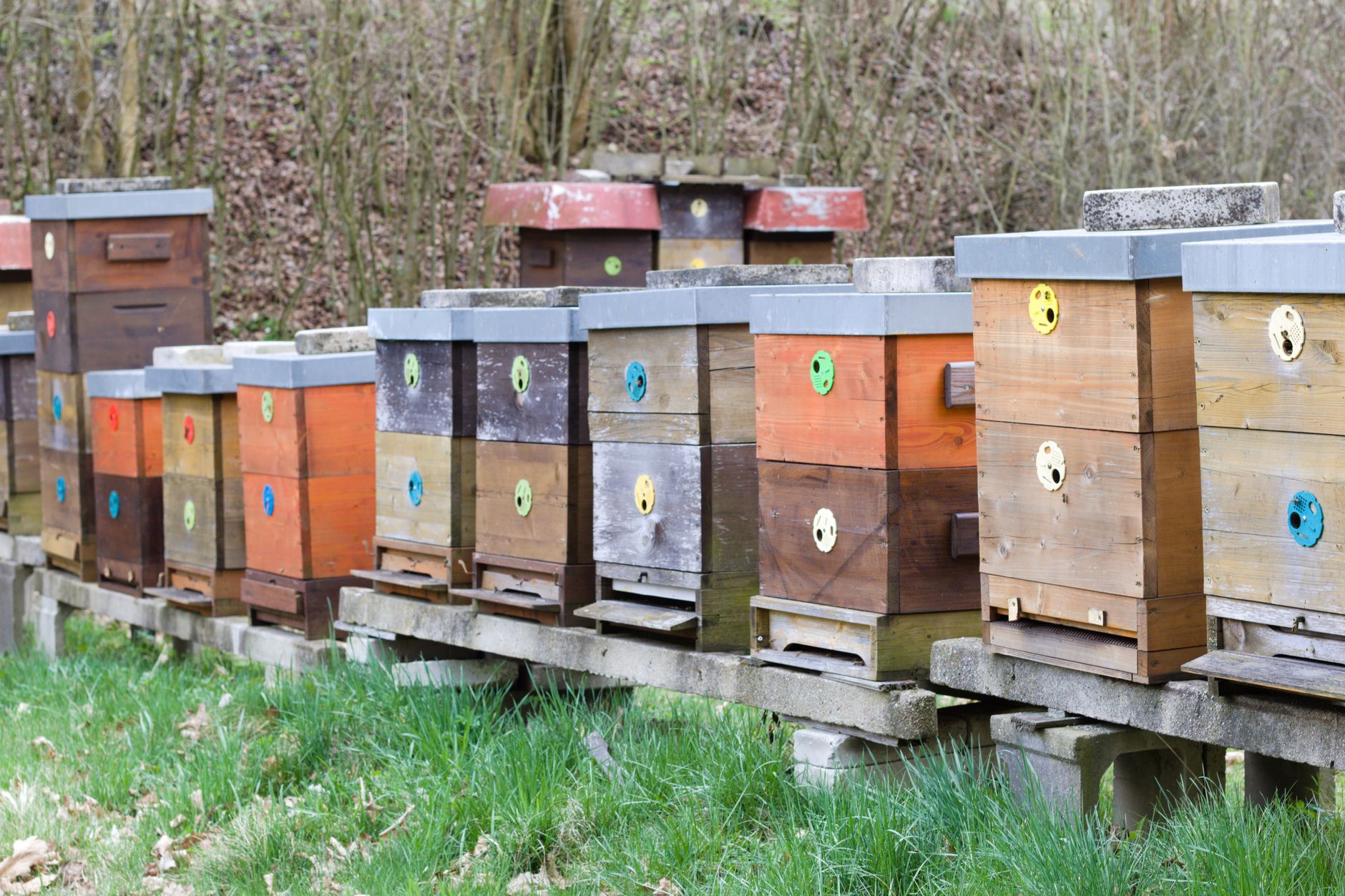
In 2026, beginner beekeepers have more starter kit options than ever. Boxes, frames, foundation, smokers, hive tools, and even extractors get bundled into tempting packages. The problem is that many kits are assembled by general hardware brands that do not understand bee biology. A bad kit costs you time and dead bees. Instead, focus on the woodenware and the basics first. Before you commit, read our complete beginners guide to starting your first honey beehive so you know what a colony actually needs. Your first kit is a foundation, not a finished operation. Choose gear that fits a standard system.
We evaluated kits against three criteria: hive style compatibility, wood quality, and whether the included tools are worth keeping. A single healthy Langstroth hive can produce 30 to 60 pounds of surplus honey in a good flow year. Strong colonies in areas with heavy nectar flows sometimes hit 80 to 100 pounds. That yield depends on tight joints, proper frame spacing, and straight foundation. We also looked at varroa readiness because mite pressure is the number one cause of colony failure. See our varroa mite treatment guide before you buy a single box. The Honey Bee Health Coalition recommends treating when alcohol wash counts reach 3 mites per 100 adult bees.
The American beekeeping supply chain has changed. Some cheaper kits now use thin pine, shallow dados, and undersized frames. Those choices create gaps, propolis mess, and poor overwintering. Others add unassembled woodenware that a beginner has to glue and nail on day one. That is fine if you want the project, but not if you wanted a ready hive. The Honey Bee Health Coalition publishes varroa management tools that should shape your starter budget as much as the hive itself. Mite management is not optional. A kit that ignores varroa is incomplete. Beekeepers who treat early keep more colonies alive through winter than beekeepers who wait.
We also talked to county extension agents and reviewed package directions from top bee supply companies. The USDA Agricultural Research Service publishes regional best practices that local beekeepers use to time their first inspections. After you choose a kit, order your bees as a nuc or package from a local source. Our buying bees guide explains the difference. Do not buy bees before you have gloves, a smoker, and a hive tool already in hand. Your first spring inspection will happen sooner than you expect. Plan the bees and the gear together.
How Do the Top Options Compare?
| Kit | Best For | Hive Type | What’s Included | Price |
|---|---|---|---|---|
| Hoover Hives 10 Frame Langstroth Starter Kit | Best overall for staying expandable | 10-frame Langstroth | Assembled hive, frames, foundation, bottom board, inner cover, outer cover | Check price |
| Mann Lake HK-110 Complete Beginner Kit | Best for a complete package with tools | 10-frame Langstroth | Unassembled hive, frames, foundation, smoker, hive tool, gloves, feeder | Check price |
| Harvest Lane Honey Beginner Beehive Kit | Best budget pick for first-year beekeepers | 10-frame Langstroth | Assembled hive bodies, frames, foundation, gloves, smoker, hive tool | Check price |
| Flow Hive 2+ Starter Bundle | Best for hands-off honey harvesting | Flow Hive 6-frame Langstroth hybrid | Assembled Flow super, brood box, frames, queen excluder, roof, window, tools | Check price |
| BeeCastle Complete Langstroth Beehive Kit | Best waxed-wood kit for humid climates | 10-frame Langstroth | Wax-coated hive bodies, frames with foundation, bottom board, covers, hardware | Check price |
Prices fluctuate by season and region. Links open Amazon search results. Some kits shown as unassembled may require glue, nails, and basic wood tools.
1. Hoover Hives 10 Frame Langstroth Starter Kit , Best overall for expandability and standard parts
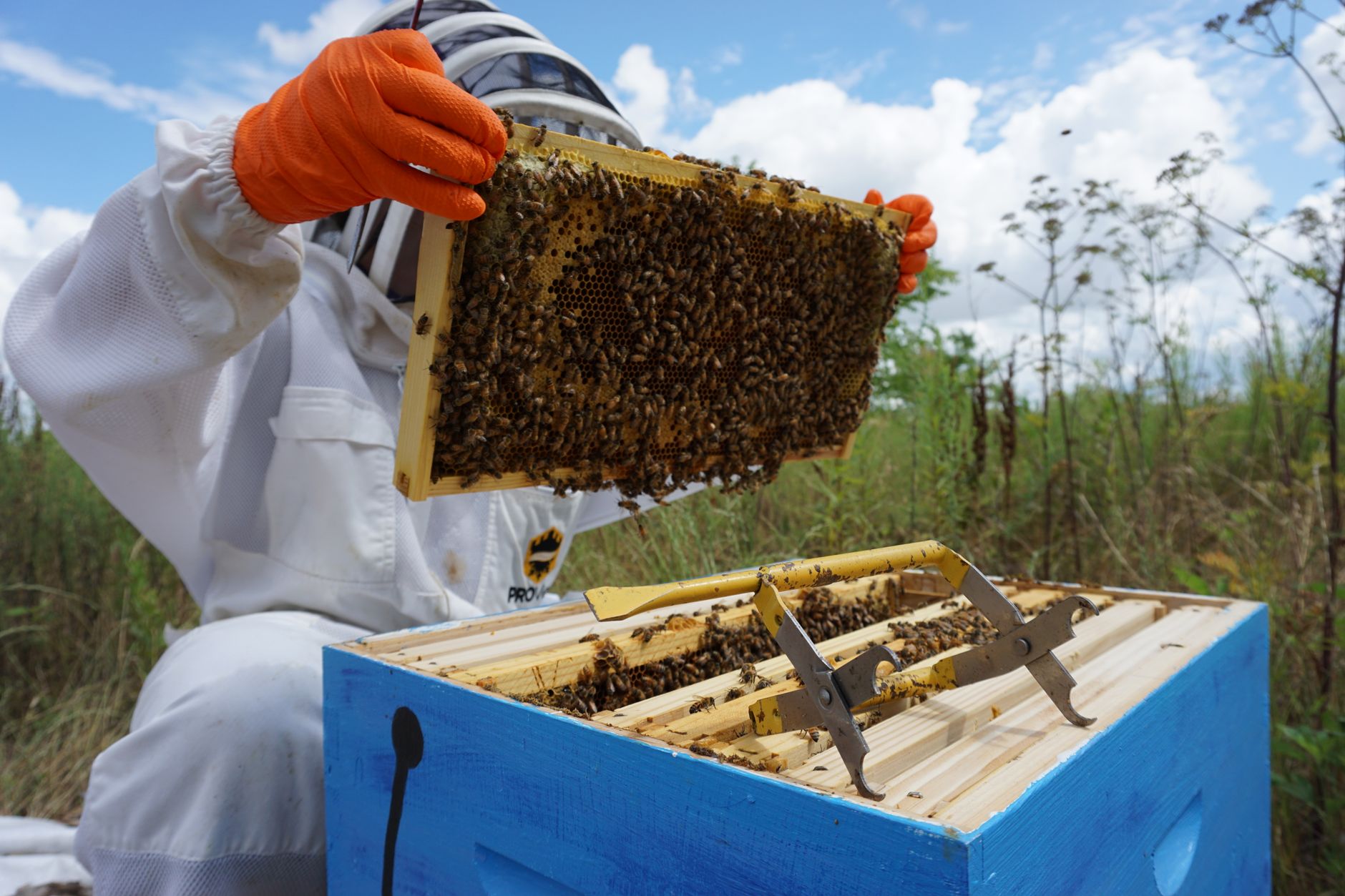
The Hoover Hives kit gives you a standard 10-frame Langstroth woodenware set that fits the parts you will buy for decades. The box joints are cut cleanly, the pine is solid enough for most climates, and the foundation is black food-grade plastic. Beginners often underestimate how much hive-body compatibility matters. This kit uses standard deep and medium dimensions, so adding a second brood box or honey super is easier later.
The kit ships mostly assembled. You still tighten a few joints and place frames, but you avoid the glue-and-clamp marathon of cheap cabinetry kits. The included frames come with wax-coated plastic foundation, which is fine for brood and honey. If you prefer wax foundation, swap it in later. Our beekeeping tools and accessories guide lists the extra gear you need beyond the box.
The downside is the kit does not include a smoker, hive tool, or gloves. Many beginners want a one-box solution. You will spend another $30 to $60 on basic tools. Also, the pine can show minor warping in very wet regions if you skip exterior paint or stain. Paint the outside before you install bees. Leave the inside bare.
Key strengths:
- ✅ Standard 10-frame Langstroth dimensions make every future part easy to find
- ✅ Mostly assembled woodenware saves hours of assembly time
- ✅ Wax-coated plastic foundation is ready for brood and honey
- ✅ Solid pine box joints hold up when painted properly
- ❌ No smoker, hive tool, or gloves included
- ❌ Exterior pine needs paint or stain before use
- ❌ Plastic foundation is not ideal if you want pure beeswax comb from day one
Who it’s for: Beginners who want a standard expandable hive and are comfortable buying basic tools separately.
2. Mann Lake HK-110 Complete Beginner Kit , Best all-in-one setup with tools included
Mann Lake is a major bee supply company, and the HK-110 bundles a complete 10-frame hive with a smoker, hive tool, gloves, and an entrance feeder. The woodenware ships unassembled, which adds a few hours of gluing and nailing. However, the joints are machined well, and the kit includes the hardware you need. New beekeepers who want a single order will appreciate not having to chase down separate tools.
The frames and foundation are standard, and the hive body uses pine with rabbeted joints. The smoker is a basic bellows style. It does the job for a first season. The hive tool and gloves are entry-level but not toys. You will probably replace the gloves after they soak up too much propolis, and the smoker may need a guard after the first season. If you want better hand protection, see our best beekeeping gloves 2026 comparison.
The unassembled state is the main drawback. If you are not handy with wood glue, nails, and a square, this kit will frustrate you. The included foundation is often plain plastic, not wax coated. Bees will draw comb faster on wax-coated foundation, so you may want to melt a thin layer of wax on the plastic or upgrade. Still, the price for all the parts is hard to beat.
Key strengths:
- ✅ Includes a smoker, hive tool, gloves, and entrance feeder in one purchase
- ✅ Standard 10-frame Langstroth dimensions for easy expansion
- ✅ Sold by a dedicated bee supply company with replacement parts available
- ✅ Machine-cut joints align well during assembly
- ❌ Woodenware ships unassembled and needs glue, nails, and patience
- ❌ Entry-level gloves and smoker are functional but basic
- ❌ Foundation may require extra wax coating for faster comb building
Who it’s for: Beginners who want one complete package and do not mind assembling the woodenware.
3. Harvest Lane Honey Beginner Beehive Kit , Best budget pick for first-year beekeepers
Harvest Lane Honey sells kits at farm stores and garden centers, and the beginner kit usually includes a deep brood box, medium super, frames, foundation, bottom board, covers, a smoker, hive tool, and gloves. The price lands below many specialty kits, which makes it tempting. The wood is pine, and the kit is often assembled or partially assembled. It gets you started without a huge upfront investment.
The tradeoff is quality control. Some batches show rough cuts, slightly thin walls, or frames that need sanding. Not every board is perfect. If you are willing to correct minor flaws, this kit still works. Check the joints and add exterior paint before the bees arrive. The included gloves and smoker are the weakest parts of the package. Many beekeepers replace them within one season.
The frames usually have plastic foundation without much wax, so bees may be slower to draw comb. Keep a spray bottle of sugar syrup and feed early. This kit is a good starter for someone who wants to test beekeeping without overspending.
Key strengths:
- ✅ Low price point gets you a full hive and tools for under $250 in many areas
- ✅ Partially assembled woodenware saves time
- ✅ Includes smoker, hive tool, and gloves for the first year
- ✅ Standard 10-frame Langstroth design is easy to expand
- ❌ Quality control varies by batch and store
- ❌ Included gloves and smoker are thin and often replaced quickly
- ❌ Plastic foundation may need extra wax or more feeding to encourage comb
Who it’s for: Budget-minded beginners who can fix minor wood flaws and plan to upgrade tools later.
4. Flow Hive 2+ Starter Bundle , Best for hands-off honey harvesting without uncapping
Flow Hive changed the conversation around beekeeping. The 2+ starter bundle pairs a standard Langstroth brood box with a Flow super that uses food-grade plastic frames. You turn a key, and the honey drains out of the comb cells without opening the hive. That appeals to people who want honey but not the sticky work of uncapping and extracting. See our langstroth vs flow hive vs top bar comparison before you decide.
The hive itself is well made. The wood is solid, the windows let you watch the bees, and the included queen excluder keeps brood out of the harvest frames. The bundle usually includes the brood box, Flow super, frames, roof, and basic tools. You still need a smoker, gloves, and a hive tool. The biggest issue is price. A Flow Hive starter bundle often costs two to four times more than a traditional Langstroth kit.
A second issue is learning. Beginners who skip the extractor and the foundation cycle sometimes miss key colony checks. You still must inspect the brood box and manage varroa. The Flow frames can be harder to clean after honey flow, and bees can propolize the moving parts. If you live in a cool climate, ensure the bees have enough bees to manage the large super during early flows.
Key strengths:
- ✅ No uncapping knife, extractor, or sticky harvest day required
- ✅ Observation window lets you watch bees without opening the hive
- ✅ Solid woodenware and standard brood box dimensions
- ✅ Harvest with a turn of the key once bees cap the honey
- ❌ Very expensive compared with a traditional Langstroth kit
- ❌ Flow frames can be hard to clean and may propolize
- ❌ Still requires brood inspections and varroa management like any hive
Who it’s for: Beekeepers who prioritize easy honey harvesting and will pay a premium for it.
5. BeeCastle Complete Langstroth Beehive Kit , Best wax-coated hive for humid or wet climates
BeeCastle builds 10-frame Langstroth kits with a beeswax coating on the pine. That coating gives the wood extra water resistance and removes the need to paint the outside for a few seasons. In humid southern summers or coastal rain, this is a real advantage. The kit includes deep and medium boxes, frames, wax-coated plastic foundation, bottom board, covers, and hardware. The parts are standard size.
The wax coating is not a substitute for proper rot prevention, but it helps. You will still need to place the hive on a stand and keep grass away from the entrance. The frames are reasonably straight, and the kit goes together with minimal fuss. Because the wood is already coated, you can install bees sooner.
The downside is the coating can be sticky in hot weather and may transfer wax onto your gloves. Some beekeepers dislike the slight waxy smell. Also, BeeCastle kits often do not include a smoker or hive tool. Those are separate purchases. If you already have gloves and tools, this is a strong option for the box itself.
Key strengths:
- ✅ Beeswax coating adds water resistance without exterior paint
- ✅ Standard 10-frame dimensions fit common Langstroth add-ons
- ✅ Includes frames and wax-coated foundation for faster comb building
- ✅ Minimal assembly compared with raw wood kits
- ❌ Waxy coating can be sticky in hot weather and transfers to gloves
- ❌ Does not include smoker, hive tool, or feeder
- ❌ Coating may need reapplication after two or three seasons in harsh weather
Who it’s for: Beekeepers in damp or humid regions who want a mostly assembled hive with built-in moisture protection.
Frequently Asked Questions
What size beehive starter kit should a beginner buy?
A 10-frame Langstroth kit is the safest choice for most beginners. It is widely supported, easy to expand, and parts are available at any bee supply store. Eight-frame kits are lighter but less common in local shops.
Do starter kits include bees?
No. Almost all beehive starter kits include woodenware, frames, foundation, and sometimes tools. Bees are purchased separately as a package, nuc, or split from a local beekeeper or bee supplier.
How much does a beginner beehive starter kit cost?
Expect to spend between $180 and $450 for a standard 10-frame Langstroth kit. Kits with smokers, gloves, and hive tools often sit at the higher end. A Flow Hive starter bundle can cost $700 to $1,000 or more.
Do I need a varroa mite treatment plan with a starter kit?
Yes. Varroa mites are the leading cause of colony failure. The Honey Bee Health Coalition recommends testing with an alcohol wash and treating when counts exceed 3 mites per 100 adult bees.
Should I buy an assembled or unassembled beehive kit?
Assembled kits save time but cost more to ship. Unassembled kits are cheaper and can be rewarding if you have basic woodworking tools. If you choose unassembled, use waterproof wood glue and exterior nails.
Can I start with a Flow Hive instead of a traditional Langstroth?
Yes, but it is expensive. Flow Hives still use a standard Langstroth brood box, so you will learn the same inspections. The harvesting mechanism is convenient, but beginners should not skip brood checks.
What Should You Remember?
- Start with Langstroth: Standard 10-frame dimensions give you the most upgrade and replacement options.
- Budget for tools: A smoker, hive tool, and gloves are necessary even if your kit omits them.
- Check varroa readiness: Mite management gear and a treatment plan matter more than a fancy super.
- Buy from bee suppliers: Companies like Mann Lake and Hoover Hives sell parts you can replace locally.
- Skip gimmicks early: A Flow Hive is easy to harvest but expensive and still requires brood inspections.
- Paint or coat exterior: Unpainted pine rots quickly in wet climates, so protect the hive before bees arrive.
- Buy bees locally: A nuc from a nearby beekeeper usually establishes faster than a shipped package.
This article is for general information only and is not veterinary or legal advice. Beekeeping is regulated in most regions and involves live animals with their own health needs , always follow local regulations and best practices, and consult a qualified apiarist, extension service, or veterinarian for bee-health or disease concerns.