Queen Bee Identification Guide: How to Find the Queen

Queen Bee Identification Guide: How to Find the Queen

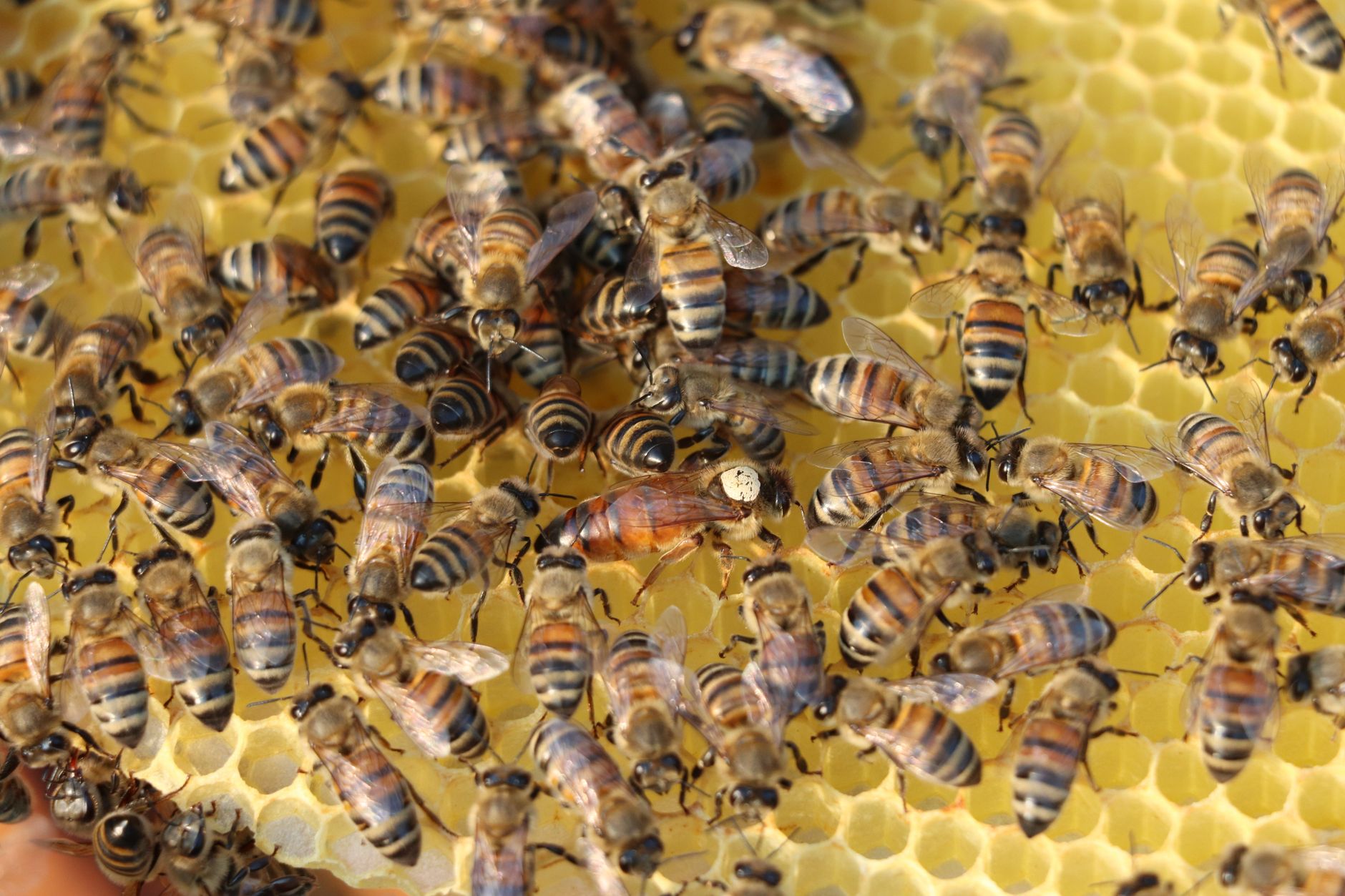
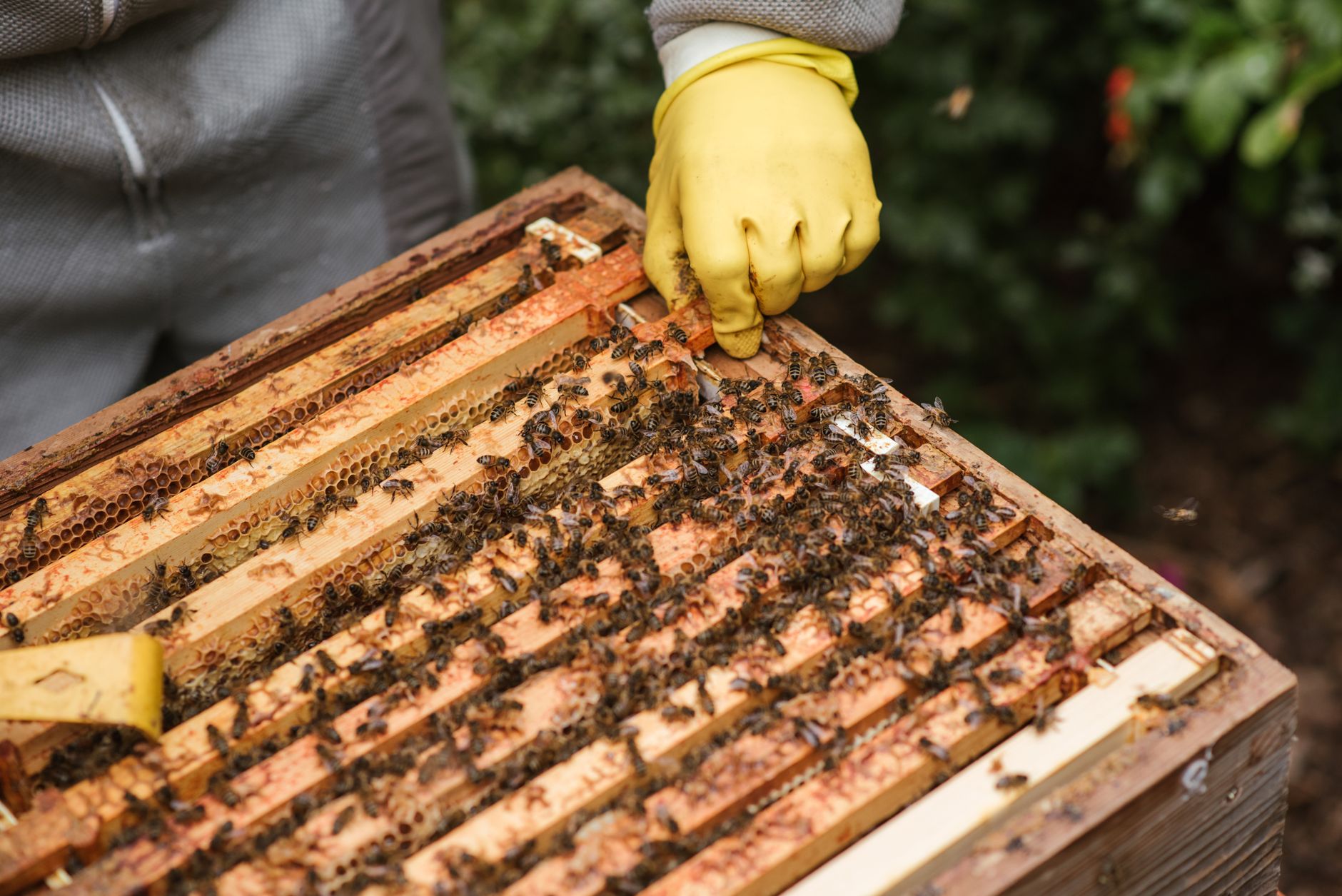
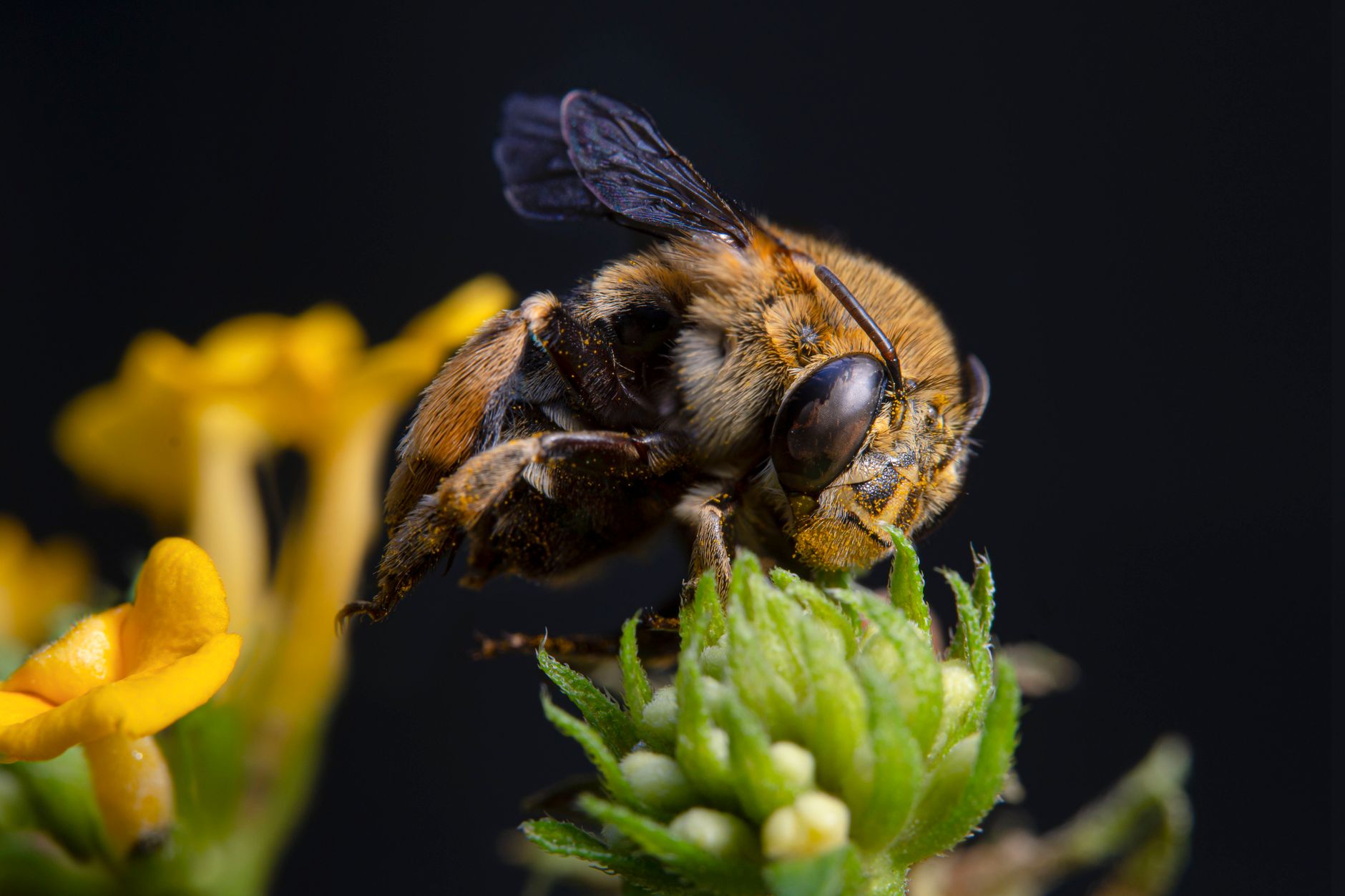
Quick Answer: To find the queen, inspect brood frames on a warm, calm day. Look for a long abdomen, shiny dark thorax, and a smooth curved stinger. She often moves with a circle of worker bees. Practice with a marked queen first. Move slowly and avoid excessive smoke. Locating a queen bee is one of the first real tests for a new beekeeper. It is also one of the most common struggles. A healthy hive can hold 30,000 to 60,000 bees in summer. That is a lot of moving bodies. For a beginner, finding one specific bee in that crowd feels impossible at first. I have chased queens across frames more times than I can count. The skill comes with practice and a trained eye. This queen bee identification guide will show you how to spot her. You will learn what to look for and where to look first. A solid how to do a hive inspection gives you a calm method for every visit. ...
August 16, 2026 · 13 min · Jarrod Gravison
How to Plant a Pollinator Garden for Honeybees and Native Bees

How to Plant a Pollinator Garden for Honeybees and Native Bees

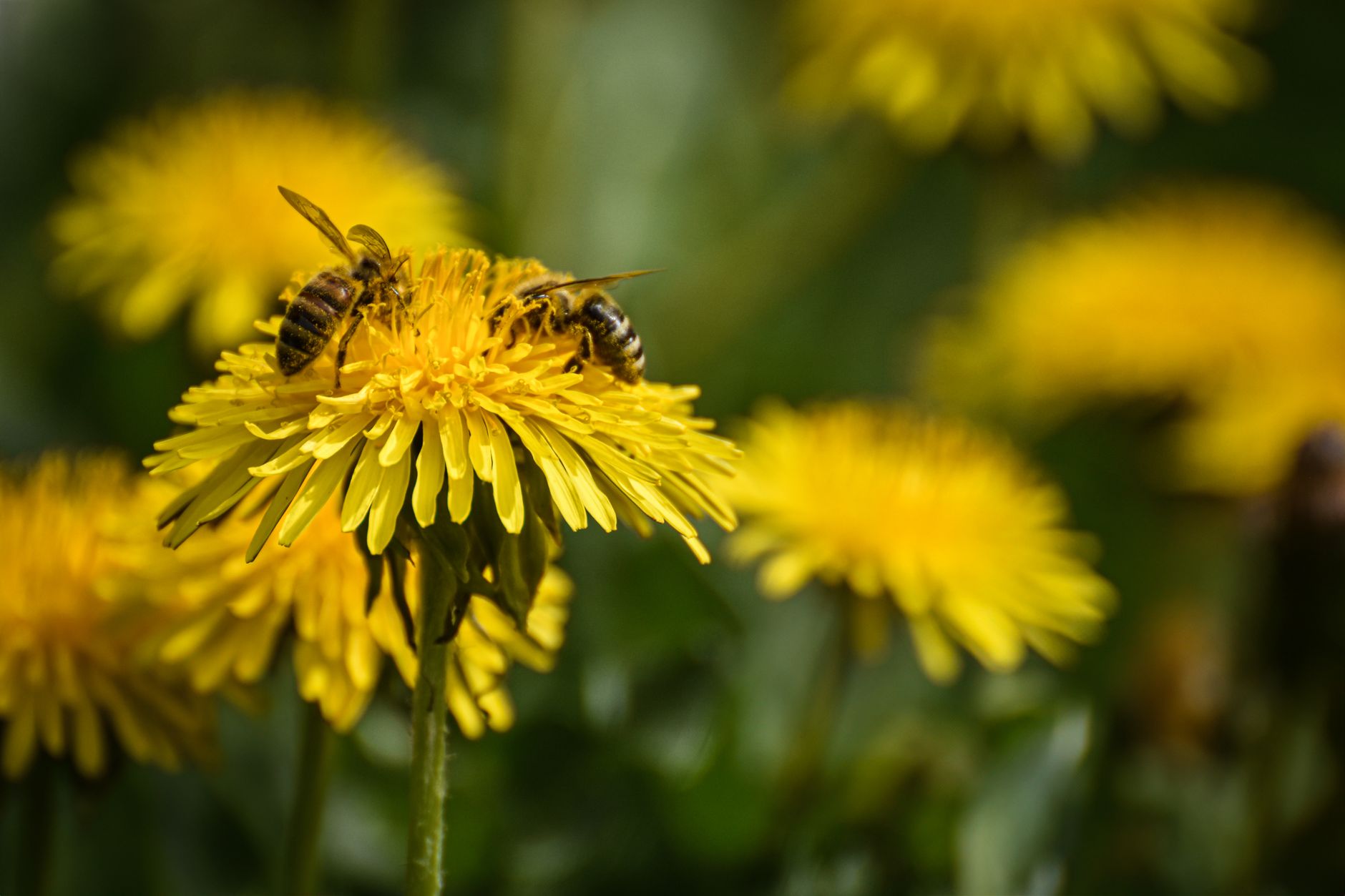
Quick Answer: To build a pollinator garden, choose a sunny site with wind protection, plant native perennials that bloom from early spring through late fall, avoid all pesticides, and add a shallow water source. Good picks include lavender, coneflower, borage, goldenrod, and asters. This boosts bee nutrition and hive resilience. A pollinator garden is one of the most useful projects a beekeeper can start. It puts nectar and pollen close to your hives and gives native bees a place to feed. Honey bees, bumble bees, sweat bees, and leafcutter bees all use the same flower patches. You do not need a large farm. A few sunny beds, containers, or a strip along a fence can support hundreds of bee visits each day. The key is choosing the right plants and keeping the bloom sequence going from early spring through late fall. ...

August 16, 2026 · 12 min · Jarrod Gravison
How to Winterize Beehives: Complete Cold-Climate Preparation Guide

How to Winterize Beehives: Complete Cold-Climate Preparation Guide

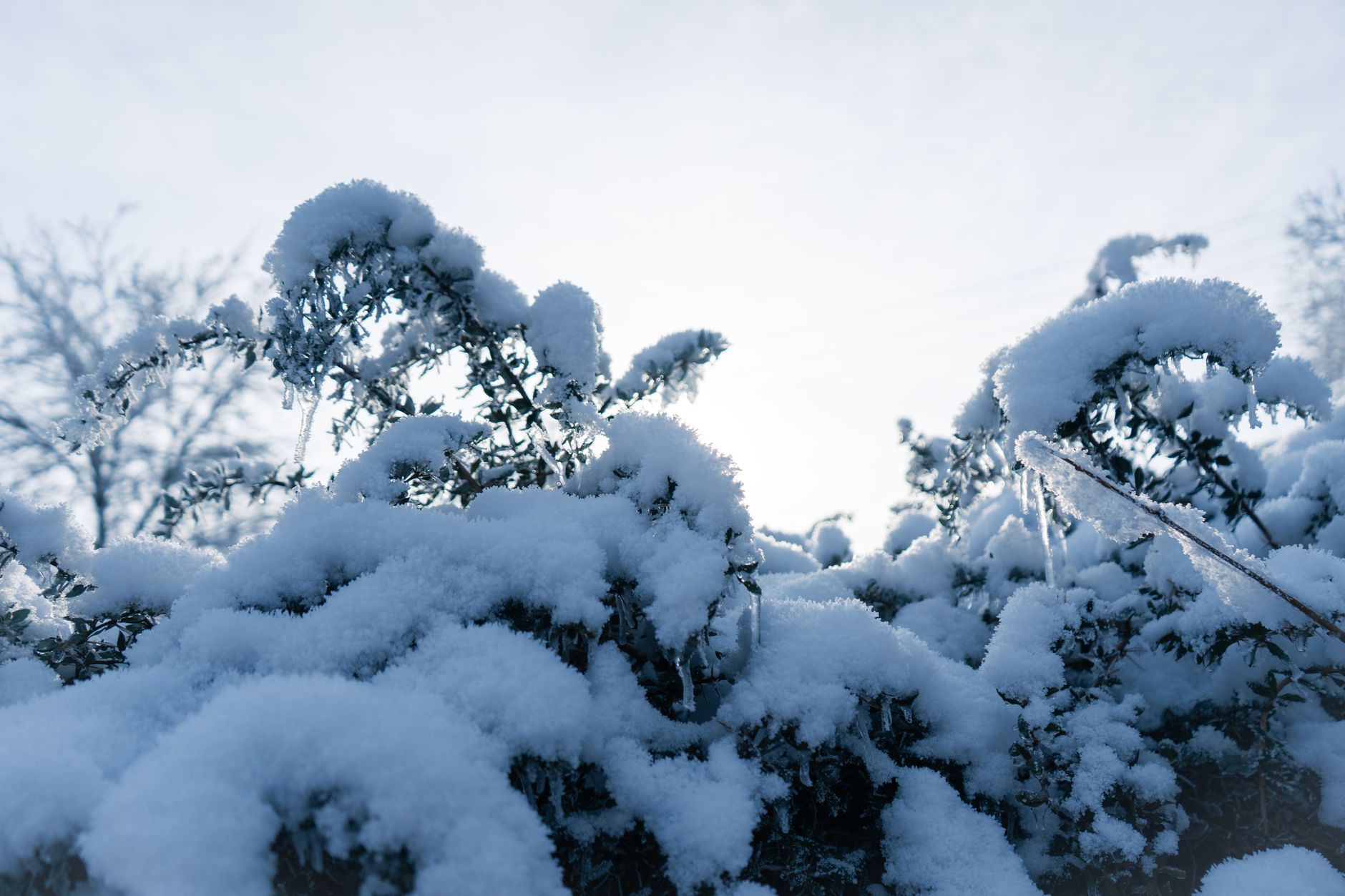
Quick Answer: Start winter prep after the last honey harvest and before daytime highs stay below 50°F. Treat varroa mites, feed heavy syrup early, reduce entrances, add upper ventilation, and wrap hives only after temperatures drop. A strong colony needs 60 to 80 pounds of stores. Cold weather does not kill most healthy honey bee colonies. Starvation, moisture, and varroa mites do. The American Beekeeping Federation notes that winter losses often spike when colonies enter fall with high mite loads and light honey stores. In the 2022-2023 season, U.S. beekeepers reported losing roughly 37 percent of managed colonies, and many of those losses traced back to poor fall preparation. Winterizing is not one heroic act. It is a sequence of small checks and upgrades you make before the first hard freeze. Start with health, then food, then moisture, then insulation. ...

August 16, 2026 · 13 min · Jarrod Gravison
How to Split a Beehive: Step-by-Step Splitting Guide for Beekeepers

How to Split a Beehive: Step-by-Step Splitting Guide for Beekeepers

Quick Answer: To split a beehive, choose a strong colony with at least 6-8 frames of brood and bees. Move 3-5 frames with eggs, larvae, and nurse bees into a new brood box. Add empty frames, feed both colonies, and let the queenless half raise a new queen or install a mated queen. Splitting a beehive is one of the most valuable skills a beekeeper can learn. A split, also called a divide or artificial swarm, creates a second colony from one strong parent. Most healthy colonies build up to 50,000 to 60,000 worker bees during peak season. That growth often triggers swarm preparations. Instead of losing half your bees to a swarm, you can split them on your own schedule. The American Beekeeping Federation explains that colony increase through splits helps beekeepers replace winter losses and reduce swarm pressure. Our swarm prevention guide covers why bees swarm in the first place. ...

August 16, 2026 · 16 min · Jarrod Gravison
How to Introduce a New Queen Bee: Step-by-Step Guide

How to Introduce a New Queen Bee: Step-by-Step Guide

Quick Answer: Confirm the colony is queenless, choose a mated queen, place her cage between brood frames, let workers eat through the candy plug over 3-7 days, then check for eggs. Avoid opening the hive too often. A marked queen makes verification easier. Introducing a new queen bee can fix a weak or aggressive colony, but the process has pitfalls. According to the USDA Agricultural Research Service, a healthy queen may lay up to 1,500 eggs per day during peak season. This rate directly affects colony size and honey production. A strong hive can produce 60 to 100 pounds of surplus honey in a good flow. That is why beekeepers replace failing or old queens. The introduction must be slow enough for workers to accept her pheromones. A rushed introduction often ends with the workers balling and killing the queen. ...

August 16, 2026 · 14 min · Jarrod Gravison
How to Do a Hive Inspection: Step-by-Step Beginner's Guide

How to Do a Hive Inspection: Step-by-Step Beginner's Guide

Quick Answer: A hive inspection is a planned check of colony health, queen status, brood pattern, food stores, and pest levels. Work on a warm afternoon, use smoke, stay calm, and move frame by frame. Inspect every 7 to 10 days in the active season. Always close the hive gently and record what you see. You inspect a hive to learn what is happening inside. Honey bees manage most colony tasks on their own, but they cannot fix everything. Disease, queen failure, starvation, and crowding can destroy a colony quietly. The common bee diseases and pests guide lists many silent problems. A beginner often feels nervous during the first inspection. That feeling fades with a clear plan and calm hands. ...

August 16, 2026 · 13 min · Jarrod Gravison
How Much Honey Does One Hive Produce Per Year?

How Much Honey Does One Hive Produce Per Year?

Quick Answer: A single healthy honey bee hive can produce 30 to 60 pounds of surplus honey per year in a typical season. Very strong hives in excellent forage sometimes reach 100 pounds or more. First-year hives often produce little or no harvestable honey because bees need time to draw comb and build population. Every new beekeeper asks this before the first hive even arrives. The honest answer is both simple and complicated. A healthy, established colony can produce more honey than a small household needs. But honey yield is never guaranteed. It depends on your climate, the weather, local flowers, colony health, and how you manage the bees. If you are just getting started, the best way to understand the answer is to start from a realistic baseline instead of a best-case internet photo. Learn the basics with our complete beginner guide to starting your first honey bee hive. That baseline will help you plan equipment, space, and expectations before your first season. ...

August 16, 2026 · 12 min · Jarrod Gravison
How to Handle a Bee Swarm: What to Do and How to Prevent It

How to Handle a Bee Swarm: What to Do and How to Prevent It

Quick Answer: Stay calm. Do not spray or swat the bees. Most swarms are docile and will rest on a branch or post. If it is safe to reach, place a ventilated box under the cluster and brush or shake the bees into it. Then inspect the mother hive, remove extra queen cells, and add space to stop a second swarm. A honey bee swarm is not a sign that your colony has failed. It is the colony’s natural way of reproducing. During swarm season, usually spring and early summer, a strong hive raises a new queen and the old queen leaves with about half the worker bees. If you keep bees, you will likely see this at least once. Swarming can feel alarming, but it is a normal part of beekeeping. New beekeepers often panic when they see thousands of bees in the air. The better response is to act calmly and use a plan. ...

August 16, 2026 · 14 min · Jarrod Gravison
How to Harvest Honey for the First Time: A Beginner's Step-by-Step Guide

How to Harvest Honey for the First Time: A Beginner's Step-by-Step Guide

Quick Answer: Harvest honey when at least 80 to 90 percent of cells in your honey supers are capped. Use a bee brush, fume board, or escape board to clear bees safely. Uncap frames, extract with a hand or motorized extractor, strain, and bottle. Never harvest uncapped high-moisture honey or take winter stores from a weak colony. You have kept your colony alive through inspections and now you see heavy frames. Harvesting honey for the first time can feel intimidating, but the process is manageable if you move slowly and pay attention to moisture and bee behavior. This guide walks through the full extraction path, from checking capped frames to bottling clean honey. If you are still building your first hive, revisit complete beginners guide to starting your first honey beehive before harvest day. ...

August 16, 2026 · 13 min · Jarrod Gravison