A honey bee swarm is not a sign that your colony has failed. It is the colony’s natural way of reproducing. During swarm season, usually spring and early summer, a strong hive raises a new queen and the old queen leaves with about half the worker bees. If you keep bees, you will likely see this at least once. Swarming can feel alarming, but it is a normal part of beekeeping. New beekeepers often panic when they see thousands of bees in the air. The better response is to act calmly and use a plan.
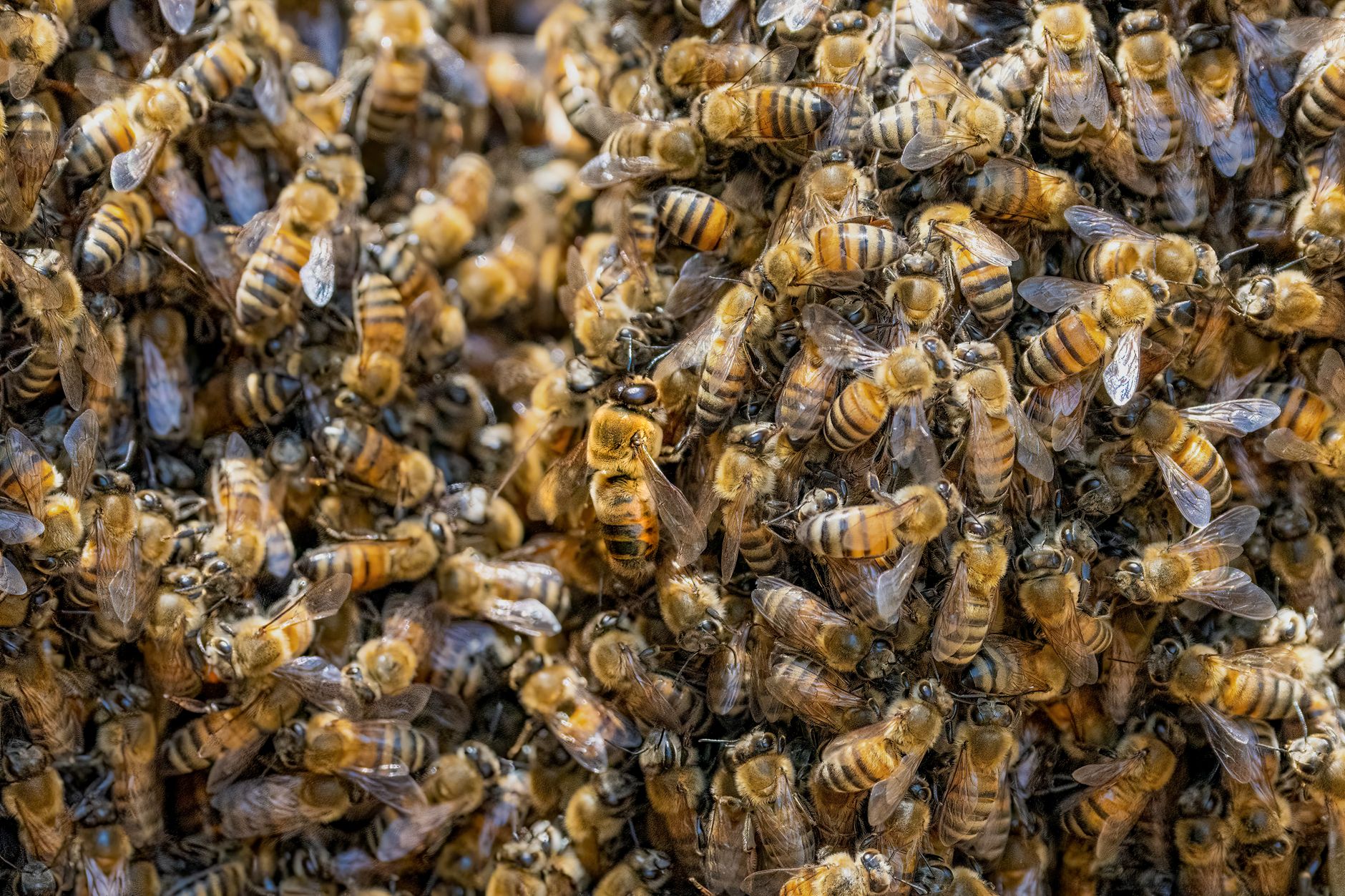
Swarms look intimidating, but they are usually docile. A swarm has no comb, honey stores, or brood to defend. The bees are focused on finding a new cavity. That said, they will sting if trapped or crushed. The cluster you see on a branch may contain 10,000 to 30,000 bees. A strong colony can have 60,000 workers during peak season. When half the workers leave, the original hive loses a large portion of its foraging force. This can reduce honey yield by 20 to 50 percent if the colony also casts multiple swarms.
Your goal is twofold. First, safely capture or arrange removal of the swarm. Second, inspect the mother hive to stop more swarms. The Honey Bee Health Coalition offers best management practices that emphasize planned swarm control over emergency captures. Before you start, review how to do a hive inspection so you know how to check frames without doing more harm. A quick inspection at the right time can prevent the entire event.
This guide walks through swarm recognition, safe capture, hiving the swarm, and prevention. You will also learn when to call for help. Your equipment matters here. A basic beekeeping tools and accessories guide will show you the gear that makes swarm work easier. If you are new and need starter equipment, check the best beehive starter kits for 2026 before you attempt a capture.
What You’ll Need
- Bee brush
- Ventilated cardboard box or 5-frame nuc
- Hive tool
- Sugar water spray bottle
- Veil and gloves
- White sheet or tarp
How Do You Handle a Bee Swarm?
- Inspect weekly for swarm preparation signs
Swarming is easier to prevent than to chase. During spring build-up, inspect every 7 to 10 days. The signs appear before the swarm leaves. Look for queen cups on the bottom and sides of frames. Queen cups are wax cups that look like small peanuts. A cup is not a problem until the queen lays an egg in it. Once it has royal jelly or a larva, it becomes a charged queen cell. That is your warning.
Check for crowding in the brood nest. Frames packed with bees, nectar in the brood area, and no open cells for the queen to lay are classic swarm triggers. The queen also slims down before swarming so she can fly. You may see fewer eggs and a smaller queen. Worker bees may backfill the brood nest with nectar, another strong signal. When you see these signs together, act within a day or two. An inspection like this is exactly what you learn in how to do a hive inspection.
Not all queen cells mean swarming. Supersedure cells usually sit on the face of the comb, often only one or two. Swarm cells are often numerous and built along the bottom bars. Mark the frames with a marker or note. Do not cut cells immediately. If you cut all cells and your queen has already left, you leave the colony hopelessly queenless. The next step shows you how to tell a true swarm from an absconding colony.
- Confirm it is a swarm, not absconding
Before you chase a cluster, confirm the original hive is still populated. A swarm leaves part of the colony behind. You should see bees, brood, and stores in the mother hive. Absconding is different. In absconding, the entire colony leaves because of varroa mites, wax moths, or a failed queen. The hive may be nearly empty. If the cluster you see is the whole colony, you are not managing a swarm. You are recovering from a colony loss.
Look for the source. A swarm may come from your hive or a feral colony nearby. If you have multiple hives, inspect each entrance. The hive that swarmed will be noticeably quieter and may have queen cells. If you are unsure, check for small hive beetles or heavy varroa loads. The common bee diseases and pests guide can help you spot trouble. The Honey Bee Health Coalition notes that spring varroa levels above 2 to 3 mites per 100 bees can push a colony to collapse or abscond.
If your hive absconded, do not immediately reuse the old comb without cleaning it. Find out why the bees left. Was it mite load, wax moths, or a pesticide exposure? Fix the issue before installing new bees. Absconded equipment can still carry pathogens. If it was a true swarm, your mother hive still has a chance to recover. The captured swarm becomes a second colony. That is beekeeping expansion, not disaster.
- Assess safety and gather capture gear
Swarm capture is only safe if the cluster is accessible. A low cluster on a branch, fence, or bush under about 8 feet is manageable for most beekeepers. Anything higher needs a ladder or lift. Do not use a ladder on uneven ground. A falling beekeeper is a bigger problem than a lost swarm. If the swarm is high, call a local beekeeping association. Many have volunteer swarm collectors.
Gear up for stings, even though swarms are often calm. At minimum wear a veil and gloves. A full jacket or suit is better if you are new. You can find protective options in best beekeeping gloves for 2026 and best beekeeping suit for 2026. Keep a spray bottle of 1:1 sugar water handy. Light misting can keep bees occupied while you work. Never use plain water jets or insecticide.
Your capture kit should include a ventilated cardboard box, a five-frame nuc, or a swarm bucket. A white sheet or tarp placed under the cluster catches falling bees. A hive tool helps if you need to cut a small branch. Keep the box nearby and open. Do not seal the bees until the queen is inside. If you need to review the rest of the gear, the beekeeping tools and accessories guide covers the basics.
- Capture a low, accessible swarm
Place the sheet directly under the cluster. If the swarm is on a small branch, you can simply clip the branch and lower it into the box. For a larger branch, hold the box under the cluster and give the branch a sharp shake. Most bees will drop into the box in a clump. Use a bee brush to gently sweep stragglers into the box. Brush slowly and do not crush bees.
Watch the entrance of the box. If worker bees at the entrance fan their nasonov glands, the queen is likely inside. Fanning releases a scent that calls the remaining bees. You will see bees standing with abdomens raised and wings fanning. If the cluster reforms on the branch after a few minutes, you missed the queen. Repeat the shake or brush more carefully. Do not leave the box closed during this process. The bees need to find the queen.
Once most bees are in the box, set it on the sheet and prop one side open an inch. The remaining fliers will march in before dusk. Mist the outside lightly with sugar water to settle them. Keep the box in shade. If the swarm was on a fence or flat surface, use the brush and a dustpan to lift bees. Do not use a shop vacuum unless it is designed for bees. A regular vacuum will kill them. Check the swarm lure on Amazon if you want to pre-scent a trap box for next time, but it is not required for immediate capture.
- Hive the captured swarm the same evening
Leave the captured bees in the box until near dark. This gives scouts time to return from the field. If you move the box during daylight, you may leave foragers behind. After sunset, close the box entrance with screen or foam. Move it to the final hive location. The new site should be at least a mile away to prevent drift. If you cannot move that far, bees may return to the old location and create a problem.
Prepare a new hive with frames. Drawn comb is best, but foundation works if you feed. A five-frame nuc is often easier for a small swarm. A 10-frame deep can also work. Place the frames in the box and shake or dump the bees in gently. Some beekeepers shake the swarm onto a sheet and pour them into the hive. Others wedge the open capture box next to the frames overnight. The bees will move down onto comb if the queen is there. A best beehive starter kit can give you the right equipment for a second colony.
Feed the new colony 1:1 sugar syrup for the first few weeks. Swarms have no comb or stored honey. They arrive with full honey stomachs, but they need fuel to draw comb. Check after three days for eggs. If the swarm had a virgin queen, she may need a week or more to mate and start laying. Do not add a queen unless you are certain the swarm is queenless. Adding a caged queen too soon can make the bees ball and kill her.
- Inspect the mother hive for queen cells and crowding
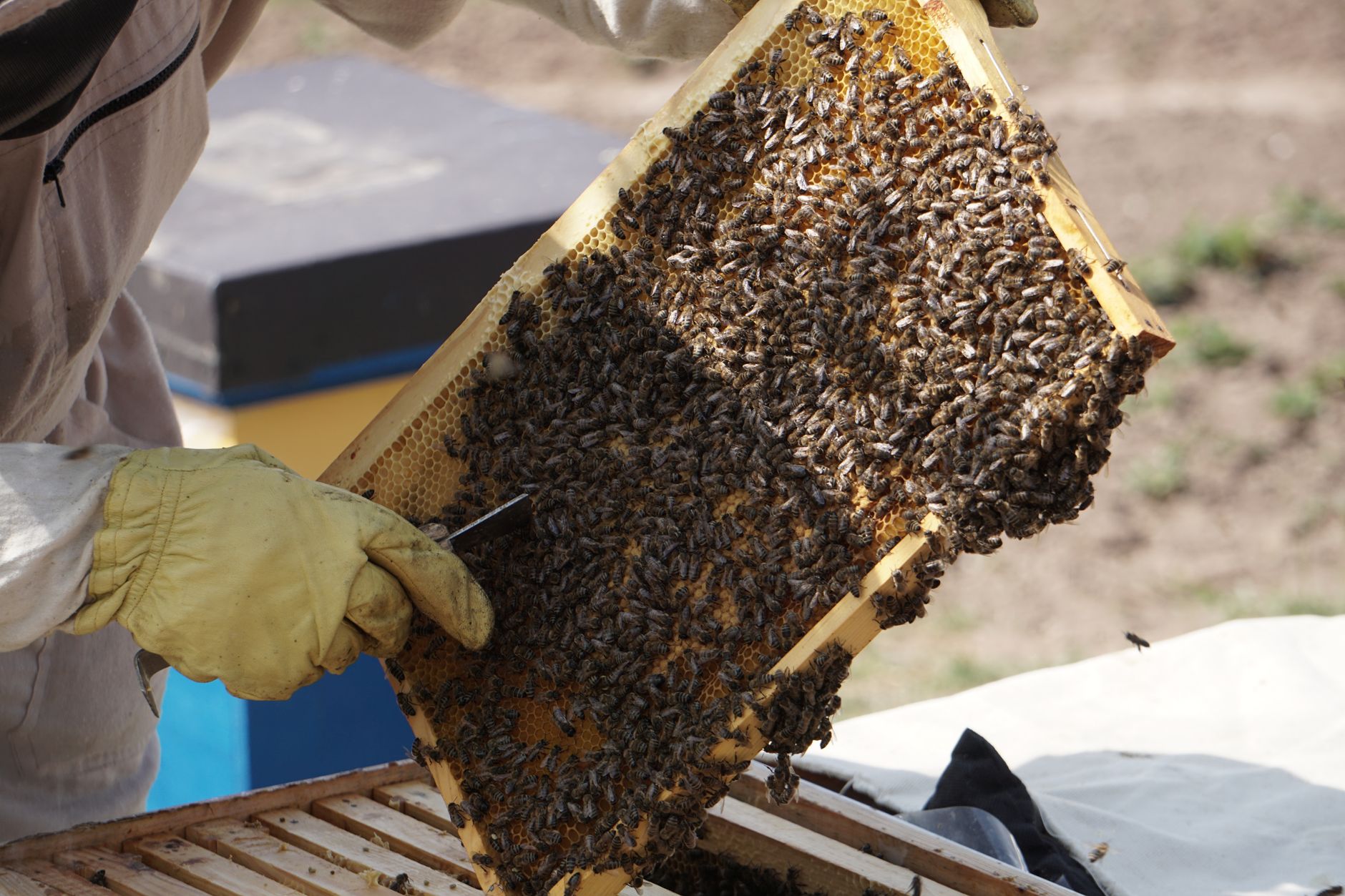
Within one or two days after the swarm leaves, inspect the original hive. It will be lighter but still active. Look for queen cells on the bottom bars. The bees normally raise between five and twenty queen cells before a swarm. Left alone, the first virgin queen to emerge may kill the others, but she can also leave with another cast swarm. A colony can lose more workers through multiple swarms, cutting honey yield further.
Select the best one or two queen cells to keep. Choose large, well-shaped cells with fat larvae and plenty of royal jelly. Use a knife or hive tool to remove all other queen cells. Do this carefully. Shaking a frame with ripe queen cells can damage the virgin queens inside. If the frames are crowded or backfilled, add drawn comb or move honey frames up. The goal is to create open laying space for the new queen.
Some beekeepers prefer to act before the swarm by splitting. If you have multiple queen cells, you can create nucs with each cell. That is a form of split. The how to split a beehive guide explains the process in detail. For now, reducing queen cells and opening the brood nest prevents a second swarm. If you cannot tell which cell is healthy, mark two and check again in five days.
- Perform a planned split before swarm season
The best swarm control is a split made before the bees decide to swarm. When your colony is strong and you see drone brood and queen cups, act early. Split the colony by moving the old queen and about half the bees and brood into a new hive. Leave the original hive with eggs and young larvae so it can raise a new queen. This mimics a swarm and relieves crowding without losing bees.
A split gives you more control than catching a swarm. You choose the queen, the location, and the timing. You also keep the honey yield in your apiary rather than watching bees fly away. Use how to split a beehive to follow the exact steps. The split can be a nuc or a full deep. Add a frame of honey and pollen to both sides. Move the old queen gently with the frame she is on. A queen clip can help if you need to handle her safely.
After the split, the queenless half will build emergency cells. Thin those cells to one or two after four days. The queenright half will continue building. Both halves need feed and reduced entrances until they stabilize. Monitor both for queen acceptance and laying. This planned approach is simpler than chasing swarms and is the method many commercial beekeepers use.
- Monitor weekly and prevent recurrent swarming
After any swarm or split, check the colony every seven days during swarm season. Look for new queen cells, crowded brood, or a queen that has stopped laying. The USDA Agricultural Research Service describes swarming as a colony-level reproductive process. That means even a well-managed hive can attempt it multiple times if conditions stay right. A young queen helps reduce swarming but does not eliminate the urge.
Keep space open in the brood nest. Add a second brood box when bees cover seven of ten frames in the lower box. Reverse boxes in early spring if the cluster moved upward. Ensure ventilation and shade during heat. Also manage varroa. High mite loads stress bees and make colonies less predictable. Follow varroa mite treatment guide and monitor counts monthly. A strong but mite-free colony is more likely to stay put.
Finally, keep a swarm kit ready. You now know what to do. A ventilated box, bee brush, sheet, and sugar water can turn a panic moment into a routine catch. Swarming is not failure. It is your chance to grow. Use it as a signal to review your management. Over time you will learn which of your hives swarm early and which need earlier splits.
Red Flags & Warnings
- 🚨 Never spray a swarm with water, soap, or insecticide. This can trigger hundreds of stings and may violate local pesticide laws.
- 🚨 Do not climb a ladder on soft or uneven ground to reach a high swarm. Call a local beekeeping club or professional swarm collector.
- 🚨 Do not leave a captured swarm sealed in a hot box or car. Bees overheat quickly and can die within 15 minutes above 100°F.
- 🚨 Never cut out all queen cells before you know a laying queen is present. The colony can become hopelessly queenless.
- 🚨 If bees are entering a wall or chimney, do not block the entrance. That forces them deeper and makes removal harder.
- 🚨 If you are allergic to bee stings, wear full protection or call someone with an Epinephrine auto-injector on site.
Frequently Asked Questions
Are swarming bees dangerous?
Most swarms are not defensive. They have no comb, honey, or brood to protect and are focused on finding a new home. Still, any bee can sting if trapped or crushed. Keep children and pets away until the swarm is removed.
How long will a swarm stay in one place?
A swarm can rest for a few hours or up to three days. Scout bees search for a cavity and return to the cluster. Once they agree on a new site, the whole swarm leaves quickly, often within minutes.
Why did my hive swarm even though I had empty frames?
Empty frames do not always solve crowding. The colony may be honey bound, have a failing queen, or have brood nest congestion. Swarming instinct can also be triggered by genetics or an aging queen.
Can I just leave a swarm alone if it is high in a tree?
You can, but it will likely move into a building or hollow tree. If it is on your property and you do not want a new colony nearby, contact a local swarm collector. High swarms are not worth the risk of a ladder.
How do I tell a swarm from a hornet or bumblebee nest?
Honey bee swarms form a tight, football-sized cluster of thousands of bees hanging from a branch. A bumblebee nest is often in a cavity or on the ground. Hornets build paper nests with visible comb. If unsure, send a photo to a beekeeper.
Will capturing the swarm prevent my original hive from swarming again?
Not by itself. The original hive still contains queen cells and crowded bees. You must inspect, select a queen cell, add space, or perform a split. Otherwise a secondary swarm can leave within a week.
What Should You Remember?
- Stay safe first: A low swarm is usually docile, but always wear at least a veil and gloves.
- Move fast: Swarms can leave in as little as 20 minutes after scouts choose a new cavity.
- Capture gently: Brush or shake bees into a ventilated box, then leave the entrance open for the queen.
- Inspect the mother hive: Remove all but one or two queen cells to stop secondary cast swarms.
- Make space early: Add drawn comb or run a split before queen cells appear.
- Plan prevention: Weekly inspections in spring are the best swarm control tool.
This article is for general information only and is not veterinary or legal advice. Beekeeping is regulated in most regions and involves live animals with their own health needs , always follow local regulations and best practices, and consult a qualified apiarist, extension service, or veterinarian for bee-health or disease concerns.