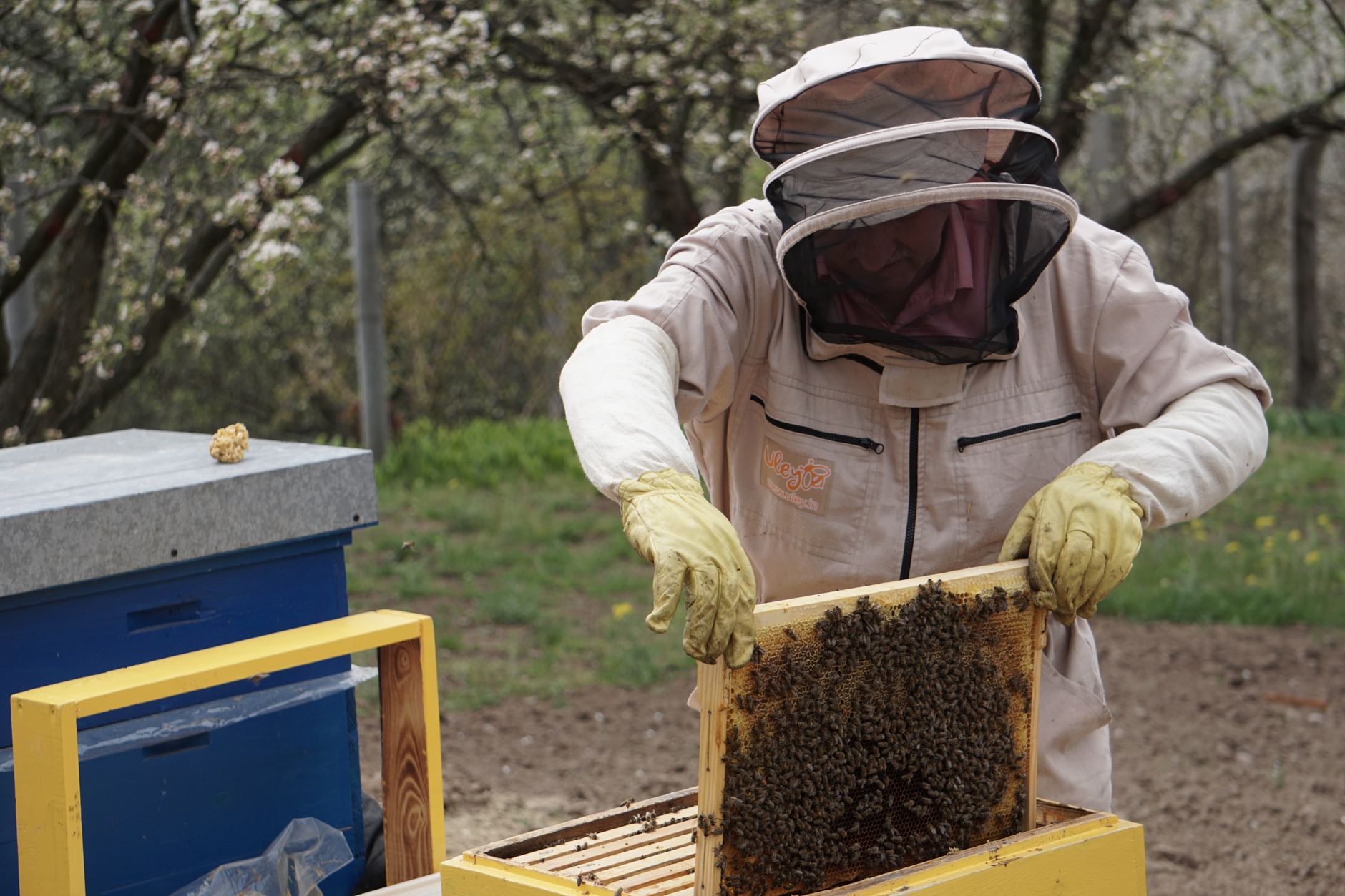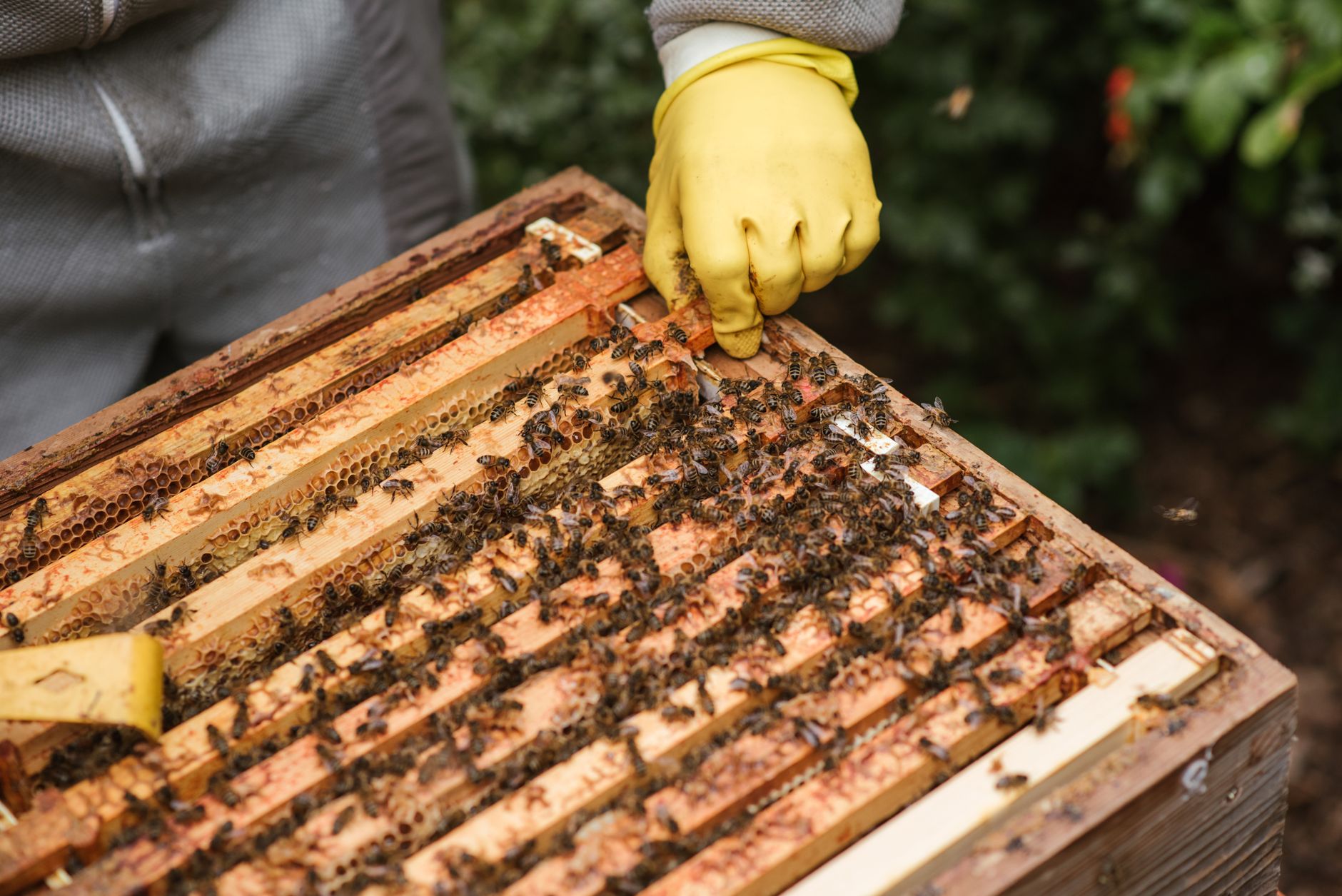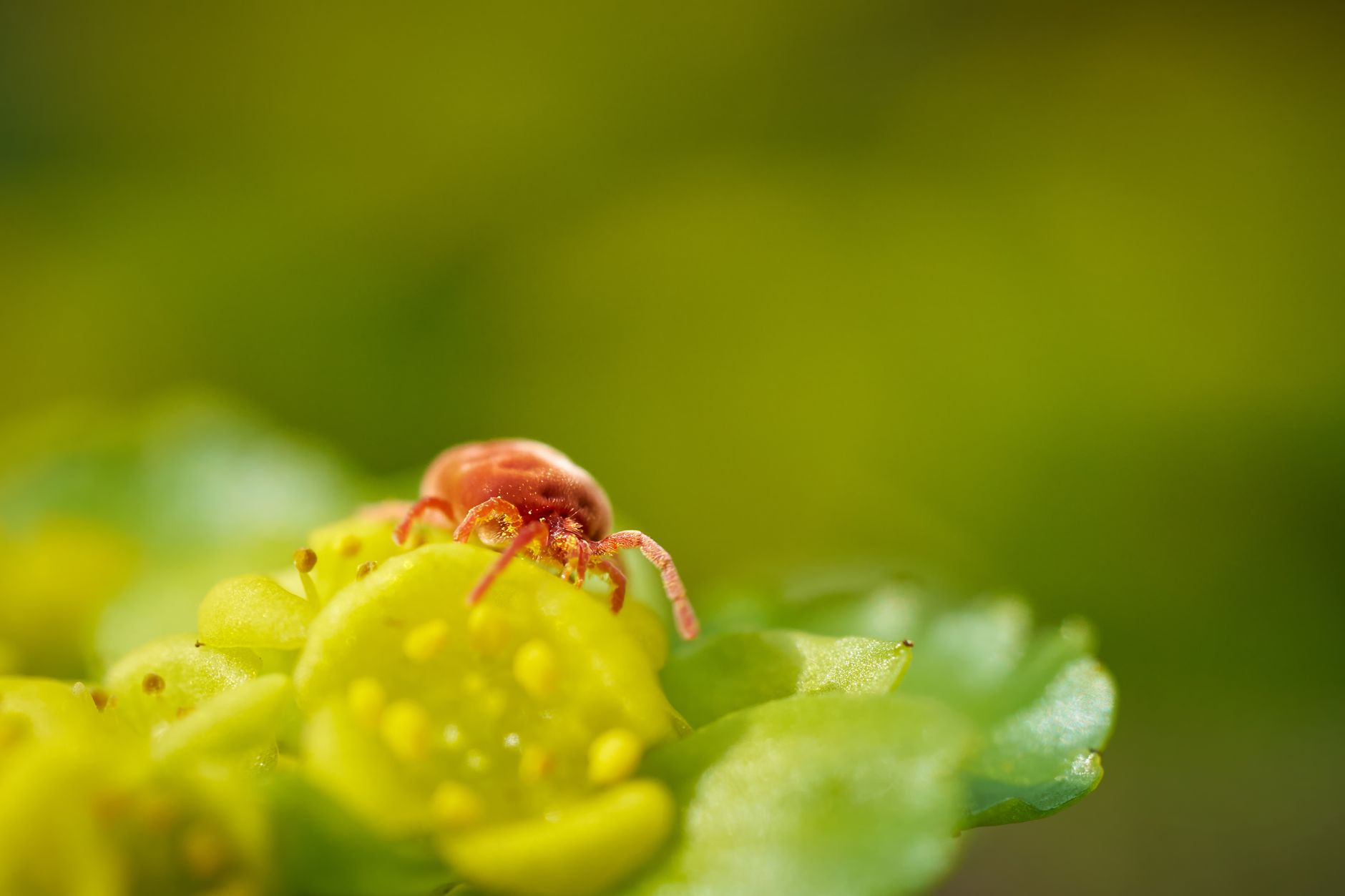
Varroa destructor is the most serious pest in modern beekeeping. The mite feeds on adult bees and developing brood, spreading deformed wing virus and other diseases. Research from the USDA Agricultural Research Service ranks varroa among the top threats to honey bee health. Left untreated, a varroa infestation can destroy a colony in as little as one to three years. New beekeepers often miss the first signs because mites hide inside capped brood. That is why treatment must start with testing, not guesswork. See our guide to common bee diseases and pests to understand what else damages hives.
A common mistake is treating on a calendar date without checking mite levels. A healthy-looking colony can still carry thousands of mites. The standard action threshold is three mites per one hundred adult bees in an alcohol wash. If you wait until you see deformed wings or crawling bees, the colony is already in crisis. Regular testing tells you when pressure is building, and it saves money and chemicals. It also prevents you from treating a hive that does not need it yet.
Effective varroa control is not one treatment. It is a year-round integrated pest management plan. The Honey Bee Health Coalition provides free decision tools that many state associations rely on. Your local temperatures, brood cycles, and honey flow all change which product is safe and useful. Some treatments work best in a broodless colony, while others can be used with capped brood present. Understanding those differences is the key to keeping bees alive.
This guide walks through the full process, from testing to retesting and recordkeeping. You will learn when to treat, how to choose a product, and which treatment fits your season. Follow these steps closely and you can keep mite levels below damaging thresholds without harming your bees or honey crop. If you are new to hive work, practice opening a colony calmly before you start any mite treatment.
What You’ll Need
- Alcohol wash jar with tight lid
- Half-cup measuring cup
- Denatured alcohol
- Sugar roll jar with powdered sugar
- Varroa mite treatment product
- Oxalic acid vaporizer or treatment strips
- Hive tool
- Protective gloves, veil, and respirator
- Recordkeeping notebook
How Do You Treat Varroa Mites?
- Test Mite Levels Before Choosing Treatment
Start with an alcohol wash. Remove a half-cup of bees from a frame with open brood. The sample should contain about 300 adult nurse bees. Shake the bees in alcohol, wait one minute, then count the mites that fall. Divide the mite count by three to get mites per one hundred bees. If you find three or more mites per one hundred bees in a standard alcohol wash, it is time to act. A sugar roll is less accurate because it often misses 20 to 40 percent of mites, so use it mainly as a rough check. If you need a refresher on opening a hive safely, see how to do a hive inspection.
Perform the test on a warm afternoon when foragers are out. Sample nurse bees from the brood nest, not from the entrance or honey supers. Test at least once a month during the active season. Early spring and late fall are critical because mite populations can explode when brood rearing peaks. The treatment decision should always follow the mite count. Never treat a healthy colony just in case because every product carries some risk to bees or queens.
Record the date and count. Compare it against your previous tests. If the count has jumped from one to four mites per one hundred bees in a month, that is a clear danger sign. A sudden increase means brood is being parasitized and viruses are spreading. By testing first, you avoid treating too early or too late. That data also tells you later whether your chosen treatment actually worked. This step connects directly to selecting the right product.
- Learn Varroa Biology and Seasonal Treatment Windows
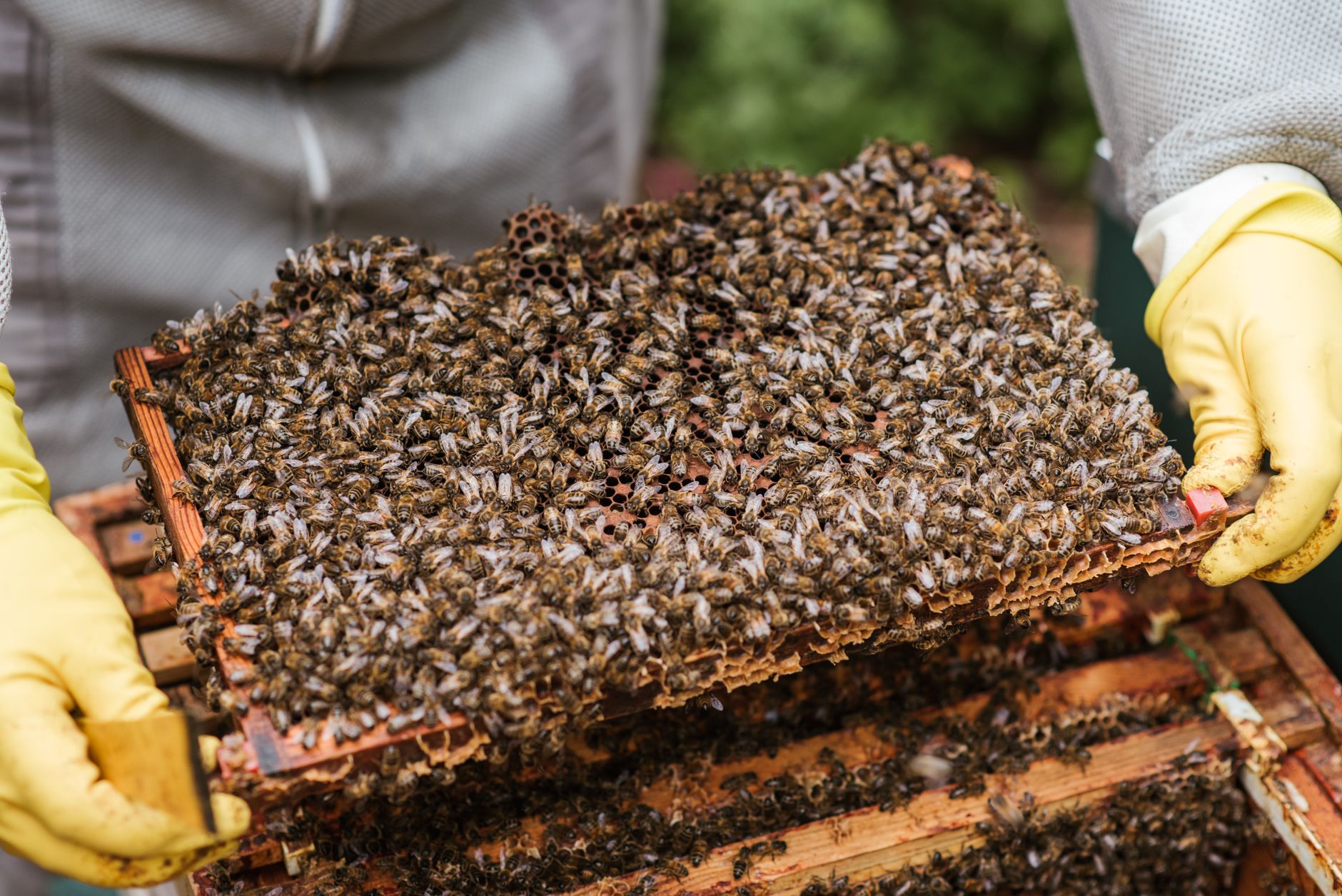
Varroa mites reproduce inside capped brood cells. A female mite enters a cell right before it is sealed and lays offspring. The young mites feed on the developing bee. When the adult bee emerges, several mites leave with it. Those phoretic mites can then spread to new bees or enter another cell. This biology explains why treatments fail if they do not reach mites inside capped cells. It also explains why a broodless period is the ideal window for certain treatments.
Different active ingredients work in different ways. Oxalic acid is most effective when hives are broodless because it cannot penetrate capped cells. Formic acid can penetrate wax cappings and kill mites in cells, but it is temperature sensitive. Thymol works slowly through evaporation and needs warmer weather. Amitraz is a long-lasting synthetic that disrupts mite nerves. The Honey Bee Health Coalition has a Varroa Management tool that shows product timing by month and temperature.
The season sets your choices. In late fall or early winter, a broodless period after the queen stops laying is ideal for oxalic acid. In spring and fall, formic acid or thymol can work when daytime highs stay in the labeled range. Amitraz strips are often used after the honey harvest and before winter brood rearing. Match the treatment to the colony stage, not just the calendar.
- Choose a Treatment Product That Fits Your Hive
Once you know your mite count and season, select a treatment. Formic acid products like Formic Pro are popular because they kill mites under cappings. They work best when daytime highs are between 50 and 85 degrees Fahrenheit. Check Formic Pro on Amazon. For a broodless hive, oxalic acid vaporization is fast and highly effective. Check an oxalic acid vaporizer on Amazon. Thymol products such as Apiguard need temperatures above 60 degrees and usually take two to four weeks.
Amitraz strips, sold as Apivar, provide up to 42 days of mite control. They are a common choice after honey supers come off in late summer. Check Apivar on Amazon. However, repeated use of amitraz can lead to resistant mites. For that reason, rotate chemical families from year to year. Soft treatments like oxalic and formic acid are easier on honey bee health but require more precise timing. The best choice depends on your local climate, hive strength, and whether you have a queenright colony.
Do not combine treatments. Wait the label interval before switching. A product that works on a strong double deep in October may overheat a small nuc in July. Check your equipment inventory before starting. You may need a vaporizer wand, a respirator, or extra hive tools. Our beekeeping tools and accessories guide covers what to keep on hand. This step leads directly to preparing the hive for application.
- Remove Honey Supers and Prepare the Hive
Before most varroa treatments, take off all honey supers that are intended for human consumption. Many miticides leave residues in wax and honey. Labels will state whether a product is safe with supers on, but the default rule is to remove them. Removing supers also gives you fewer frames to treat and better airflow through the brood boxes. It protects your honey crop from contamination and keeps you within legal food safety limits.
Check that your colony is queenright before applying any treatment. A queenless colony may not recover from the stress of a strong miticide. Look for eggs, young larvae, and a calm temperament. A healthy laying queen means the colony can replace stressed bees after treatment. If the hive is weak or queenless, correct that problem first.
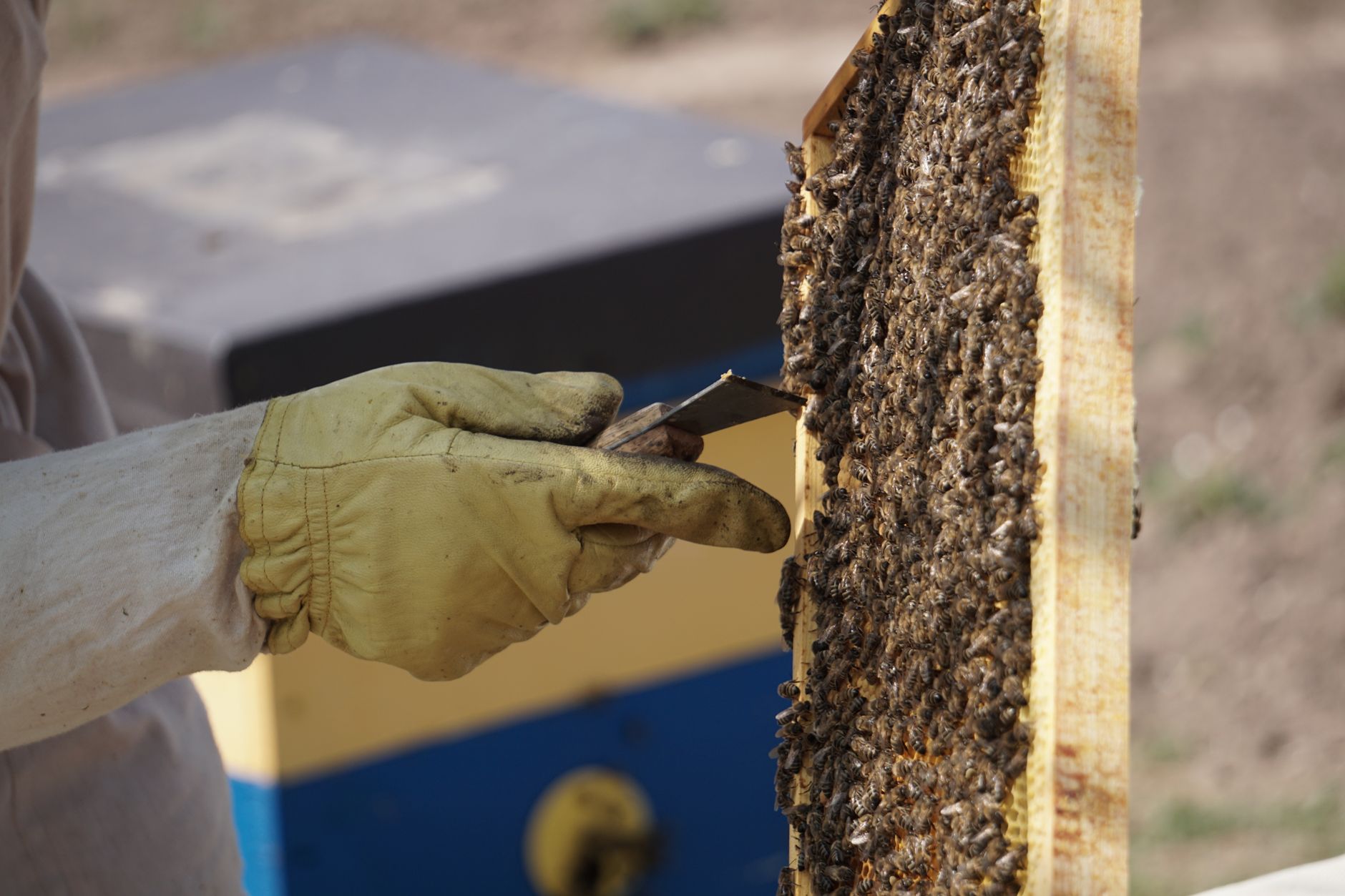
Gather protective gear before you open the hive. Varroa treatments often require direct contact with frames and chemicals. Nitrile gloves, a veil, and long sleeves protect your skin. Leather beekeeping gloves are helpful for handling sticky frames. See best beekeeping gloves for 2026 for options that balance dexterity and sting protection. Close the hive gently after placing strips or vaporizing to avoid triggering robbing.
- Apply the Treatment Exactly as Labeled
Read the label completely before you start. Every product has a specific dose per brood box, a treatment duration, and temperature limits. For Formic Pro, you typically place one or two paper strips on top of the brood frames. The strips release formic acid vapor for about 14 to 20 days. The bees fan the vapor through the cluster. For oxalic acid vaporization, you insert a heated wand into the entrance or a special hole, puff the vapor for the recommended time, and keep the entrance closed for about fifteen minutes.
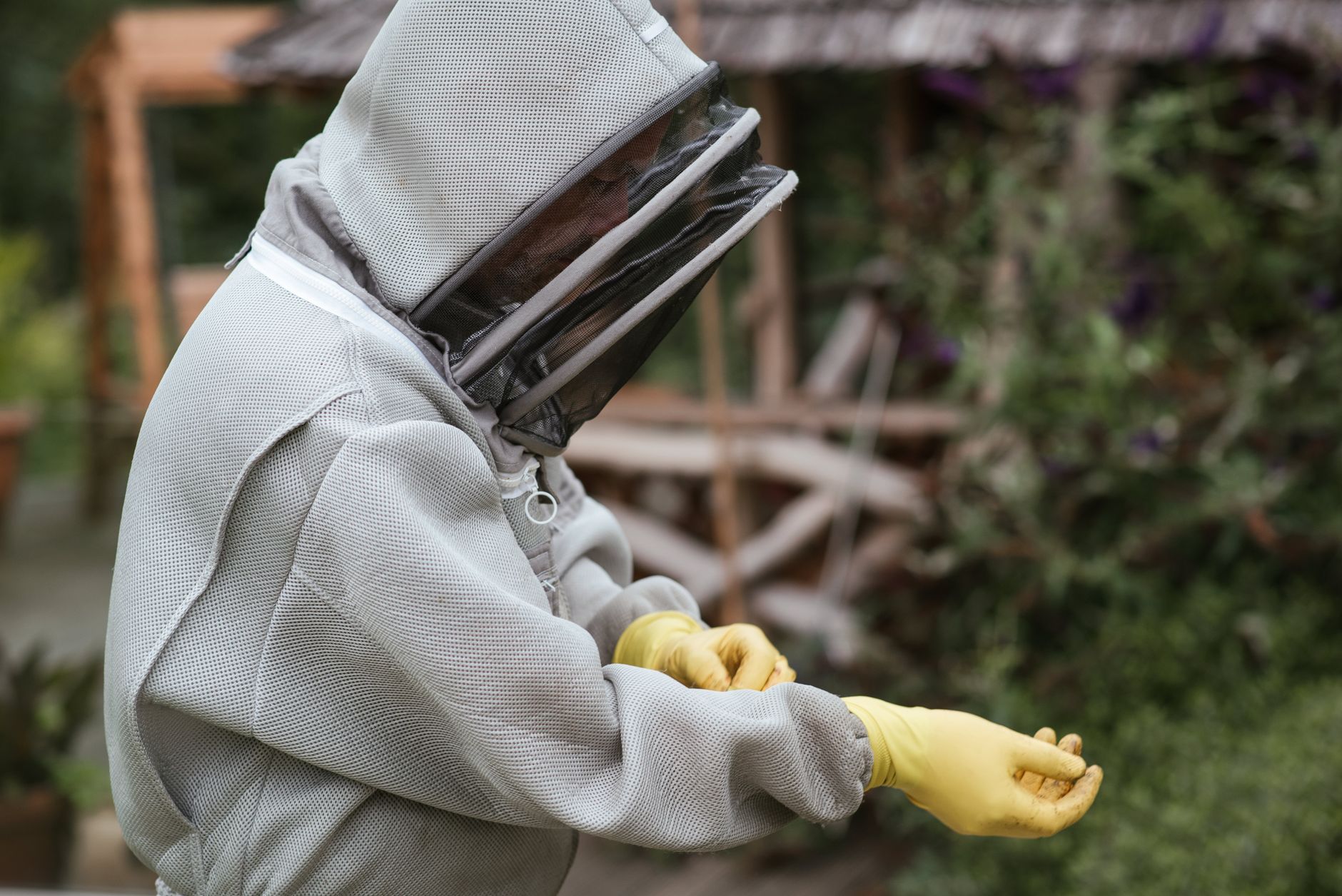
Use safety gear for chemical applications. Formic acid vapors are harsh on lungs and eyes. Wear a respirator with acid gas cartridges and splash-resistant goggles. Oxalic acid vapor can cause serious lung damage if inhaled. Use the same precautions and treat only when the hive is sealed for the required time. Beginners sometimes skip the gear because the dose looks small, but the vapor is concentrated. This is one of the most common safety errors in beekeeping. Our beekeeping mistakes guide has more warnings.
Follow the re-treatment schedule on the label. Some thymol treatments require a second application after two weeks. Formic acid usually does not need a second pad unless mite loads are high. Amitraz strips stay in the hive for 42 to 56 days, then must be removed. Never leave old strips in place longer than the label allows because sublethal doses accelerate resistance. Write the start and end dates in your records as soon as you treat.
- Retest Mites After the Treatment Window
Wait until the treatment period ends to evaluate results. For a 42-day Apivar treatment, test around day 49 to 56. For a one-day oxalic acid vaporization in a broodless hive, wait seven to ten days and then perform another alcohol wash. Testing too early can give a false low count because some mites may not have fallen yet. Testing too late can miss a rebound if residual mites begin reproducing again.
Take the sample from the same area, brood nest frames. If the mite count is still at or above three mites per one hundred bees, treatment failed or reinfestation occurred quickly. Do not reapply the same product immediately unless the label specifically allows it. Instead, choose a different mode of action or repeat a soft treatment after the required interval. This is where your initial notes matter. You need to know exactly what you used and when.
If the post-treatment count is below three, that is a win, but not a permanent state. Plan to test again in four to six weeks during the active season. Varroa mites can repopulate fast. A single mite in a drone cell can produce multiple offspring before the cell is capped. That is why a low count today does not mean the hive is safe until next year. It means your treatment worked now, and you need continued monitoring.
- Build a Year-Round Mite Management Calendar
Varroa control works best as a recurring calendar. In spring, test monthly from March or April through September depending on your climate. Treat before honey supers go on if counts rise. Avoid treating during a strong nectar flow unless you remove supers. After the last honey harvest, test again and apply a fall treatment that protects winter bees. Winter bees raised in a heavily parasitized hive can be born with deformed wing virus and may not survive until spring. Plan your fall treatment when you winterize beehives.
Record every test and treatment. Write down the date, mite count per one hundred bees, product name, dose, ambient temperature, and any unusual colony reaction. This log helps you spot patterns across years. For example, if every August your mite load spikes to eight mites per one hundred bees, you know to treat earlier next July. A one-page notebook or spreadsheet is enough. Over time, your records become the most valuable tool in your beekeeping kit.
Integrate nonchemical controls with chemical treatments. Replace old brood frames, use screened bottom boards, and consider mite-tolerant stock if available. These practices do not eliminate varroa, but they reduce the pressure between treatments. They also make each chemical treatment more effective. A strong IPM plan includes cultural, physical, and chemical tools used together. That keeps mite counts low without overusing any single product.
Red Flags & Warnings
- 🚨 Never apply formic acid when temperatures exceed 85 degrees Fahrenheit or fall below 50 degrees. High heat can kill brood, while cold temperatures reduce release and effectiveness.
- 🚨 Never treat with honey supers on unless the product label explicitly says it is safe for honey flow. Most miticides contaminate honey and wax.
- 🚨 Never mix oxalic acid dribble and vaporization or combine different treatments without label instructions. Wait the required interval between products.
- 🚨 Always wear a respirator and goggles for oxalic acid vapor and formic acid pads. These vapors can cause serious lung and eye damage.
- 🚨 Remove Apivar strips by the labeled removal date. Leaving them past the treatment window creates low-dose exposure and increases resistance risk.
- 🚨 Do not assume a zero mite count means varroa is gone. Mites rebound from surviving brood and drift from nearby colonies, so retest monthly during the active season.
Frequently Asked Questions
How often should I test for varroa mites?
Test once a month during the active season from early spring through late fall. This catches population spikes before they damage winter bees. In colder months, test less often but still before any treatment.
Can I treat varroa mites with honey supers on?
Most treatments must not be used with honey supers in place because miticides can contaminate honey for human consumption. Check the product label carefully. If the label says it is not safe for honey flow, remove all supers first.
What is the economic threshold for varroa mites?
The common threshold for action is three mites per one hundred adult bees in an alcohol wash. At that level, colon damage and virus spread accelerate. Some beekeepers treat earlier if their records show a fast upward trend.
Is oxalic acid safe for bees?
Oxalic acid can be safe when used correctly in a broodless colony or as a vapor with proper equipment. It does not penetrate capped brood well, so timing matters. Follow label doses and wear protective gear because the vapor is harmful to humans.
How do I know if my varroa treatment worked?
Retest with an alcohol wash seven to ten days after the treatment window ends. A successful treatment should bring counts below three mites per one hundred bees. If counts stay high, rotate to a different treatment mode of action.
Can varroa mites develop resistance to treatments?
Yes, especially to amitraz products like Apivar if they are used repeatedly without rotation. Using different chemical classes and nonchemical controls slows resistance. Always remove strips by the label removal date to avoid low-dose exposure.
What Should You Remember?
- Test first: Use an alcohol wash every month during the active season before treating.
- Use thresholds: Treat when you count three or more mites per one hundred adult bees.
- Match season: Oxalic acid works best in broodless hives, while formic acid needs 50 to 85 degree weather.
- Rotate treatments: Change chemical modes of action to prevent resistant mites.
- Retest after: Confirm mite counts fall below three per one hundred bees after treatment.
- Record everything: Track dates, counts, temperatures, and products to plan next year.
This article is for general information only and is not veterinary or legal advice. Beekeeping is regulated in most regions and involves live animals with their own health needs , always follow local regulations and best practices, and consult a qualified apiarist, extension service, or veterinarian for bee-health or disease concerns.