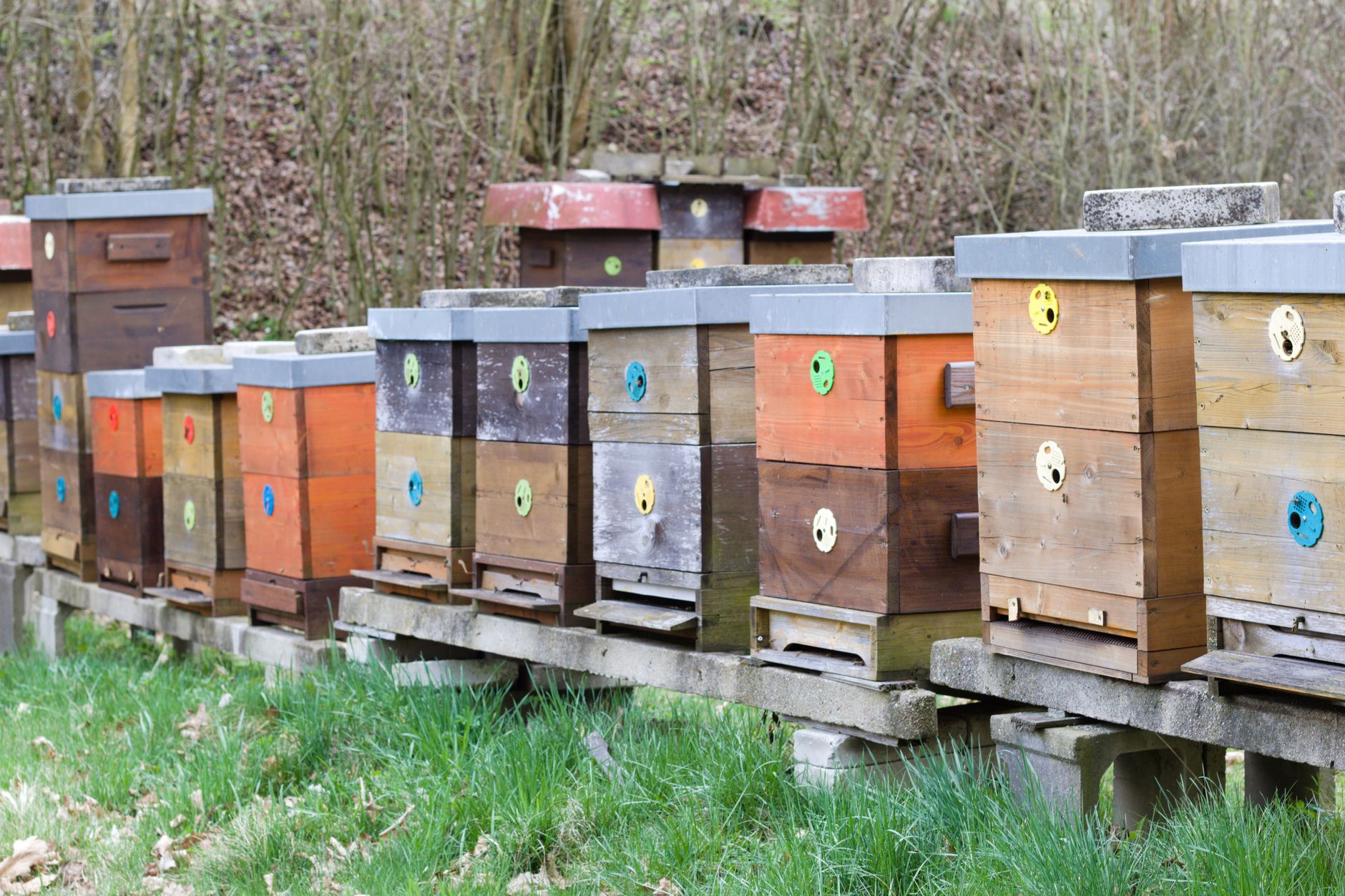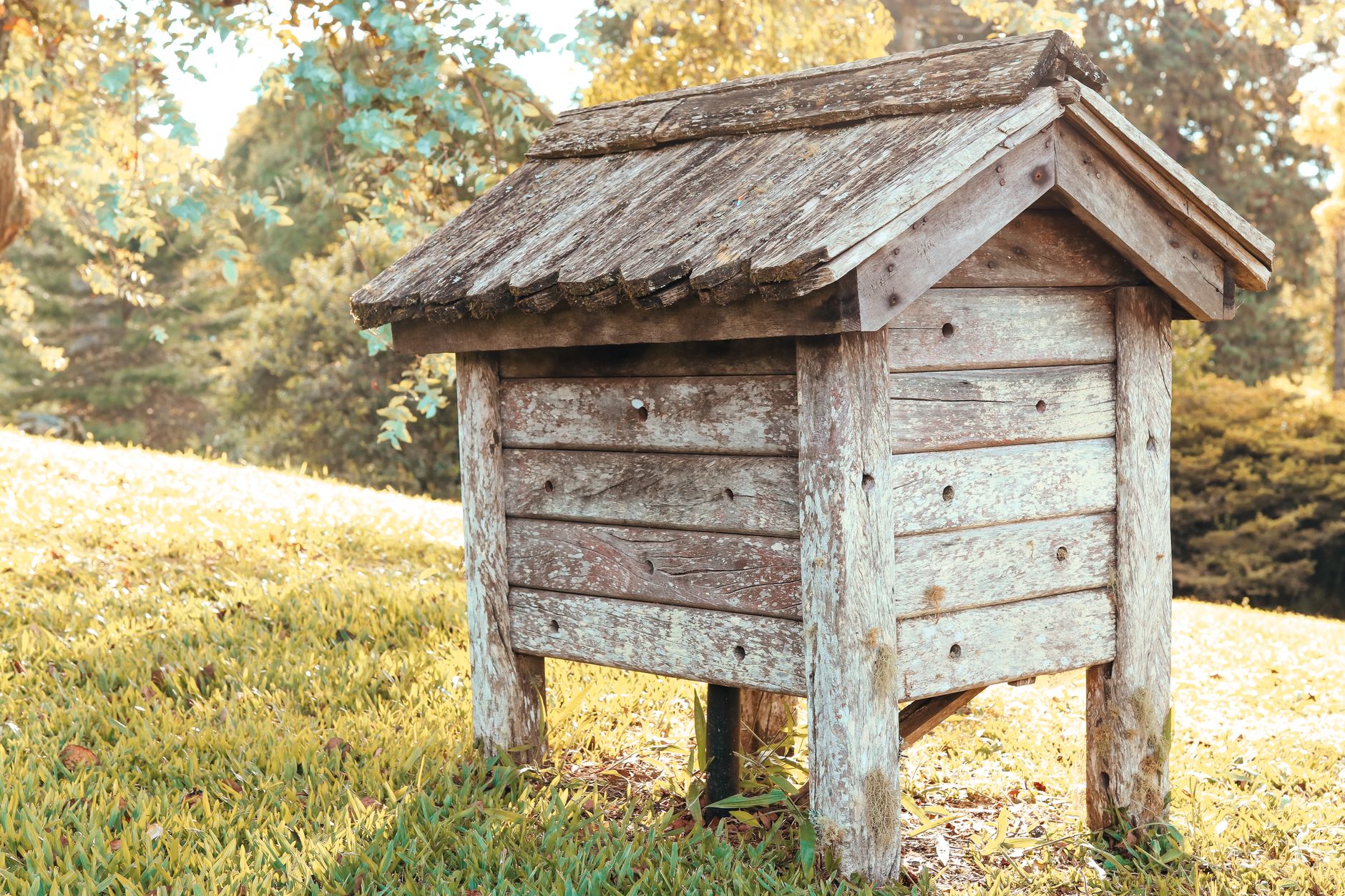
Choosing a first hive feels personal, but it is really a decision about tradeoffs. Langstroth hives give you standard parts, easy inspections, and high honey yield. Warré hives reward a hands-off style with natural comb and less frequent opening. Flow Hives remove the messiest part of honey harvest, but they cost more up front. This guide compares all three on cost, inspections, honey yield, weight, and learning curve. It also includes two practical variants: 8-frame Langstroth gear and a hybrid Langstroth plus Flow Frames setup. Before you buy anything, read our complete beginner’s guide to starting your first honey bee hive so the terminology makes sense. A wrong hive is not fatal, but it can make your first season harder than it needs to be.
Beehive boxes cannot keep a colony alive by themselves. The USDA Agricultural Research Service publishes bee research and best practices. Their work shows that colony health depends on forage, pest control, and attentive management. Annual colony losses in the United States often run between 39% and 48%, depending on the season and region. That is a heavy number for new beekeepers. The hive you choose changes how easily you can monitor varroa mites and disease. A hive that matches your physical ability and inspection style will get opened more often. And regular opening saves colonies.
Honey yield also depends on hive style and local forage. A strong Langstroth colony can produce 60 to 100 pounds of surplus honey in a good flow. A low-intervention Warré often yields 30 to 60 pounds because the keeper checks less and harvest can destroy comb. A Flow Hive can match Langstroth yields because it uses standard Langstroth brood boxes below the Flow super. Before you set expectations, check our how much honey does one hive produce article. Regional flows, rainfall, and colony health matter more than the box.
Cost and equipment are the final filters. Langstroth starter kits are common and often the cheapest way to begin. Warré hives can be built from free plans with basic carpentry. Flow Hives cost several hundred dollars more, but you skip buying an extractor and uncapping tools. If you already own Langstroth boxes, adding Flow Frames is a middle path. Our best beehive starter kits 2026 article shows what a complete beginner setup should include. Do not buy bees until you know which box you will put them in.
How Do the Top Options Compare?
| Hive Type | Best For | Typical Honey Yield | Inspection Effort | Price |
|---|---|---|---|---|
| Langstroth 10-Frame | High yield and expandability | 60 to 100 lb surplus | Moderate; lift each frame | Check Price |
| Langstroth 8-Frame | Lighter lifting and small yards | 50 to 80 lb surplus | Moderate; easier handling | Check Price |
| Warré | Hands-off natural comb | 30 to 60 lb surplus | Low frequency, harder access | Check Price |
| Flow Hive 2 | No-extractor harvesting | 60 to 100 lb surplus | Moderate brood checks | Check Price |
| Hybrid Langstroth + Flow Frames | Existing Langstroth upgrade | 60 to 100 lb surplus | Moderate brood checks | Check Price |
Yields assume a healthy colony, good forage, and active varroa management. Starter kit prices do not include bees or protective gear.
1. Langstroth 10-Frame Hive , Best for Standardized, High-Yield Beekeeping
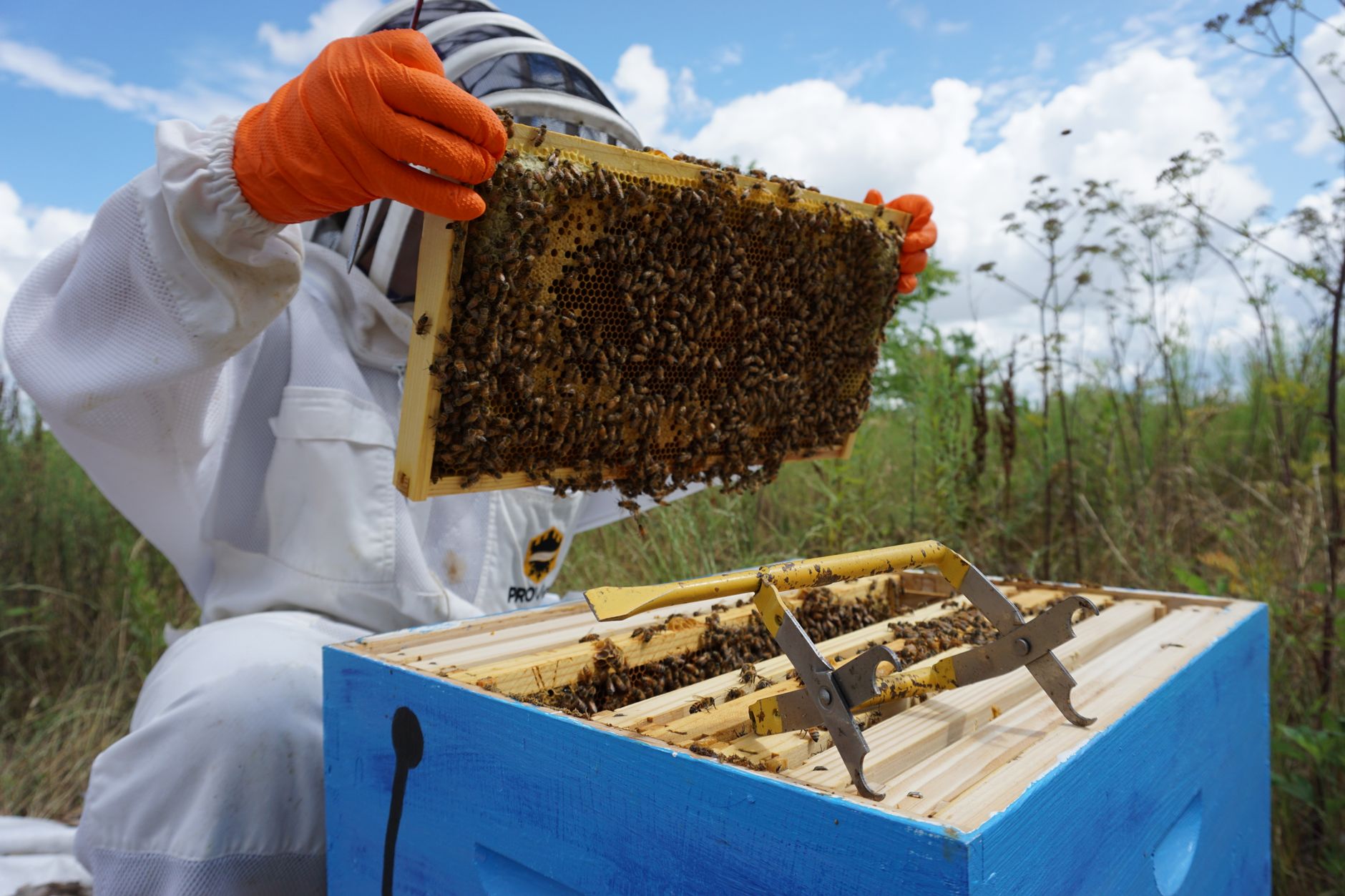
Langstroth hives use stacked wooden boxes with removable frames. You can add boxes as the colony grows. Standard deep boxes hold brood, and medium or shallow supers hold honey. Because every frame comes out, you can inspect brood pattern, find the queen, and count varroa mites. Use a hive inspection guide to build a routine. You will need a varroa mite treatment guide because mites kill more colonies than winter does. Expect heavy lifting. A deep box full of honey can weigh over 90 pounds. A full medium super can weigh 50 to 60 pounds. If you have a bad back, consider 8-frame gear. But if maximum honey is the goal, the 10-frame system gives bees room to grow and gives you more frames to harvest. Parts are everywhere. Feeders, queen excluders, frames, foundation, and extractors are all made for Langstroth dimensions. You can often buy used equipment locally. Check the Langstroth 10-frame hive on Amazon. It is not the cheapest hive, but it is the easiest to support over time.
Key strengths:
- ✅ Standard frames and parts are widely available
- ✅ High honey yield in a good flow
- ✅ Easy frame-by-frame inspections and varroa checks
- ✅ Abundant local support from mentors and clubs
- ✅ Compatible with most extractors and accessories
- ❌ Full boxes can weigh over 90 pounds
- ❌ Opening the hive more often can stress the colony
- ❌ More spare equipment and storage space needed
Who it’s for: Choose a Langstroth 10-frame if you want the standard, high-production hive with the most local support and parts availability.
2. Langstroth 8-Frame Hive , Best for Lighter Lifts and Small Backyards
Same Langstroth system with two fewer frames per box. An 8-frame medium full of honey weighs roughly 40 to 50 pounds instead of 60 or more. That is a real difference when you are lifting boxes over a hive stand. Many suburban beekeepers run 8-frame gear for years without missing the extra frames. Capacity is slightly lower. You may need an extra medium super to hold the same honey. That means more boxes, more frames, and more storage. But if you use medium boxes for all brood and honey, every box is interchangeable. That simplifies management. The 8-frame boxes still accept standard Langstroth frames and foundation. Extractors work the same way. Local mentors will recognize the setup. For beginners who want a lighter option without leaving the Langstroth world, this is the smart middle path.
Key strengths:
- ✅ Lighter boxes are easier to lift and move
- ✅ Uses standard Langstroth parts and frames
- ✅ Interchangeable medium boxes simplify management
- ✅ Fits well in small suburban yards
- ❌ Requires more boxes for the same honey yield
- ❌ Slightly less honey per box than 10-frame gear
- ❌ Fewer used parts available than 10-frame equipment
Who it’s for: Choose 8-frame Langstroth equipment if you want standard beekeeping with less lifting and easier handling.
3. Warré Hive , Best for Low-Intervention and Natural Comb
Warré hives are for beekeepers who want to intervene less. They use small boxes with top bars, not full frames. Bees build natural comb downward. The keeper adds new boxes to the bottom of the stack, a method called nadiring. This keeps the brood nest warmer and disturbs the colony less during inspections. A quilt box sits above the top box. It uses wood shavings, straw, or burlap to absorb moisture and insulate the hive. Many cold-climate keepers like this design for overwintering. However, inspections are harder. You cannot pop out a frame and read the brood pattern. You often look through a small window or lift boxes from below, which can be heavy and disruptive. Honey harvest usually means crush and strain. You remove comb, crush it, and strain out the honey. The bees must build new comb each time. That reduces total yield to roughly 30 to 60 pounds in a good year. It also increases the risk of wax moth damage in stored comb. See the wax moth prevention and treatment guide before you store natural comb. The Honey Bee Health Coalition reminds us that varroa control still matters in any hive, including Warré.
Key strengths:
- ✅ Low intervention suits hands-off keepers
- ✅ Bees build natural comb without foundation
- ✅ Quilt box insulates and absorbs moisture
- ✅ Can be built cheaply from plans
- ❌ Hard to inspect individual frames
- ❌ Crush-and-strain harvest destroys precious comb
- ❌ Lower honey yield than Langstroth hives
- ❌ Fewer local mentors and standard parts
Who it’s for: Choose a Warré if you want a low-intervention hive and do not mind crush-and-strain harvesting.
4. Flow Hive 2 , Best for Honey Harvesting Without an Extractor
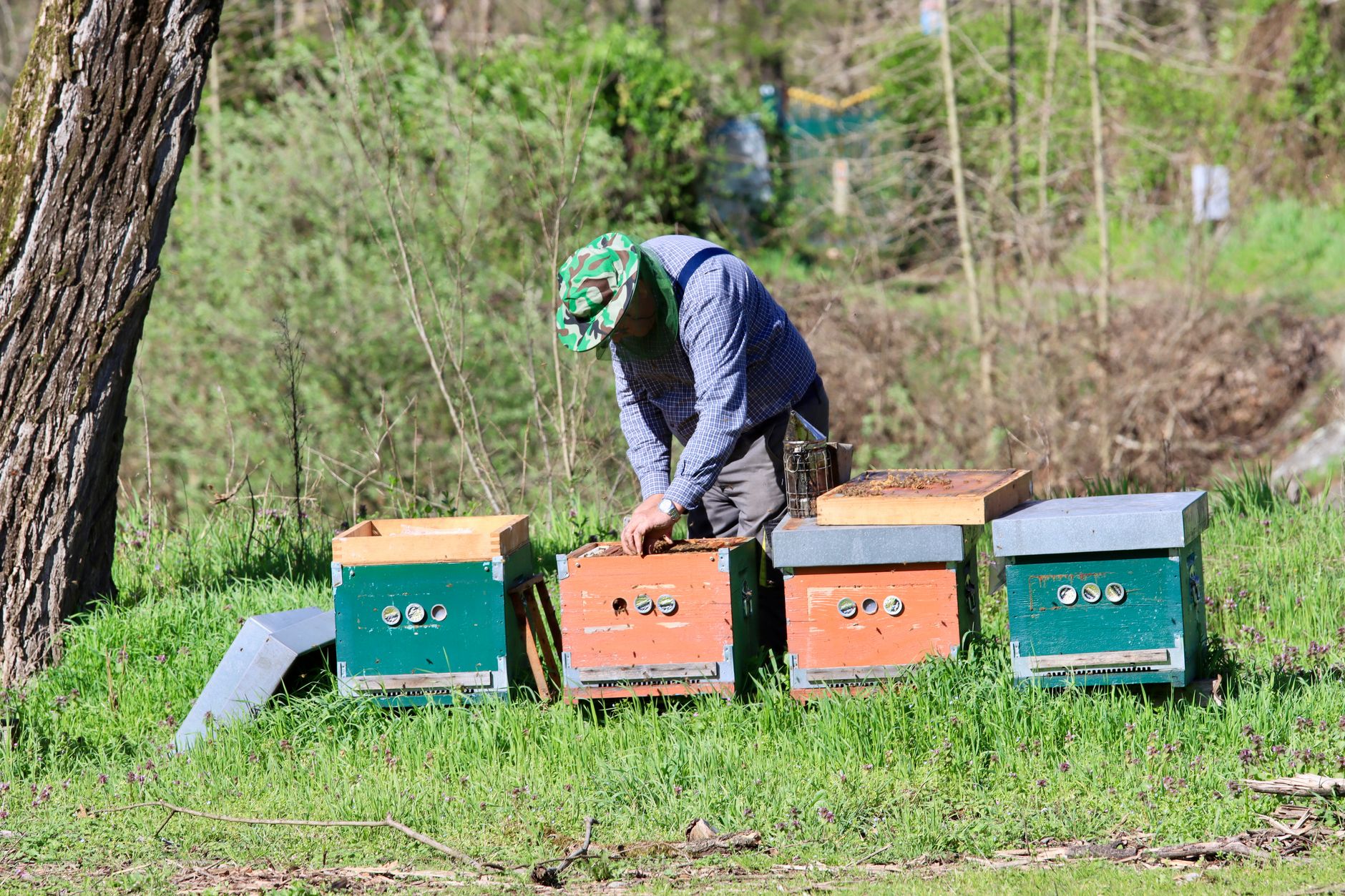
Flow Hive 2 is really a Langstroth hive with a special honey super. The brood boxes and fundamental management are Langstroth. The difference sits in the Flow super, where plastic frames with a tap allow you to drain honey directly from the hive. No uncapping, no spinning, no extractor. The advantage is cleaner, less disruptive honey harvest. You do not open the brood nest to pull honey supers. That is nice for small-scale keepers who want to harvest a few frames at a time. But the device is expensive. A full Flow Hive 2 kit often costs $700 to $1,000, while a basic Langstroth starter kit can run $200 to $300. Flow Frames are not maintenance-free. Bees sometimes propolise the mechanism and make the key stiff. Honey can crystallize in the cells if left too long. You still need to inspect brood frames for varroa and disease. The Flow super only changes extraction, not beekeeping. Check the Flow Hive 2 on Amazon if you want to compare current prices.
Key strengths:
- ✅ No extractor or uncapping tools needed
- ✅ Harvest honey without opening the brood nest
- ✅ Clear viewing window for watching bees work
- ✅ Less cleanup than traditional extraction
- ❌ High upfront cost compared with Langstroth gear
- ❌ Plastic comb may not suit natural-comb keepers
- ❌ Frames can jam with propolis or crystallize inside
- ❌ Still requires regular brood inspections
Who it’s for: Choose a Flow Hive 2 if you have a bigger budget and want the easiest honey extraction path.
5. Hybrid Langstroth with Flow Frames , Best for Existing Langstroth Keepers Who Want Easier Harvests
You do not have to buy a full Flow Hive to test the idea. Flow Frames fit in a standard Langstroth super. Add one Flow super above your existing brood boxes and keep the rest of your Langstroth gear. This is the cheapest way to reduce extraction labor if you already own hive bodies, bottom boards, and covers. The hybrid keeps standard Langstroth inspections below and easy tapping above. If you want traditional comb honey, run normal supers on other hives or alternate boxes. An extractor is still useful, but you will need it less often. Mixed equipment can confuse a first-year beekeeper with two frame types. But if you already have a season under your belt, it is a practical upgrade. It also keeps the hive standard enough that a mentor can still help with brood checks.
Key strengths:
- ✅ Keeps existing Langstroth equipment in service
- ✅ Cheaper than buying a full Flow Hive
- ✅ Standard brood inspections below the Flow super
- ✅ Flexible harvest options for different hives
- ❌ Flow Frames are still costly compared with traditional frames
- ❌ Mixed frame types can confuse new beekeepers
- ❌ Tapping works only when cells are fully capped
Who it’s for: Choose the hybrid if you already own Langstroth gear and want to add Flow Frames without switching systems.
Frequently Asked Questions
Which beehive is best for a beginner?
A Langstroth 10-frame or 8-frame is usually best. It has the most local support, standard parts, and beginner resources. Start with a nuc or package from a local supplier.
Do Warré hives produce less honey?
Yes, often. The low-intervention design and crush-and-strain harvest reduce stored surplus. Expect roughly 30 to 60 pounds in a good year, less in a poor flow.
Is a Flow Hive worth the extra money?
If you dread extracting honey, it can be. The tap system removes the need for an extractor. But it does not reduce the need for brood inspections or varroa management.
Can I inspect a Flow Hive like a Langstroth?
The brood boxes are Langstroth-compatible, so yes. The Flow super needs less opening, but you still check brood frames every 7 to 14 days during swarm season.
Which hive handles varroa mites best?
None is magic. Varroa control depends on monitoring and treatment, not the box. Use a sugar roll or alcohol wash and treat with formic acid or oxalic acid as needed.
How much does each hive cost?
A basic Langstroth starter kit can start around $200 to $300. A full Flow Hive kit often runs $700 to $1,000. Warré hives can be built from plans for under $150 in materials.
What Should You Remember?
- Langstroth 10-frame is the standard for high yield and easy mentorship.
- Langstroth 8-frame cuts lifted weight by 20 to 30 percent.
- Warré hives are for low intervention and natural comb, not maximum honey.
- Flow Hive 2 removes extractor labor but not brood inspection work.
- Hybrid Flow Frames let existing Langstroth keepers upgrade gradually.
- Varroa mites, not hive type, remain the top cause of colony loss.
This article is for general information only and is not veterinary or legal advice. Beekeeping is regulated in most regions and involves live animals with their own health needs , always follow local regulations and best practices, and consult a qualified apiarist, extension service, or veterinarian for bee-health or disease concerns.