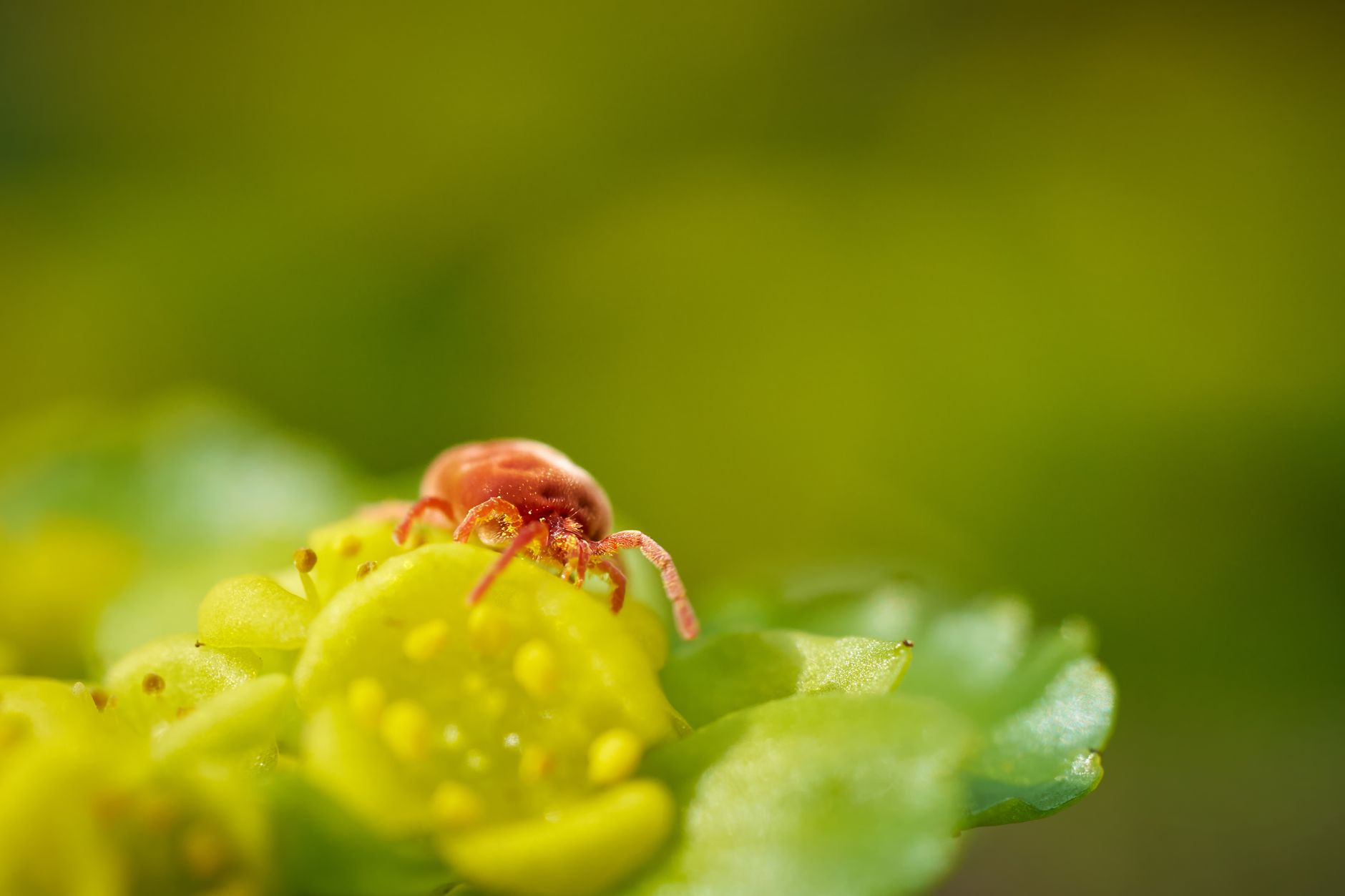
How to Treat Varroa Mites: When, How, and Which Treatment to Use

How to Treat Varroa Mites: When, How, and Which Treatment to Use

Quick Answer: Test adult bees monthly with an alcohol wash. Treat when counts reach 3 mites per 100 bees. Use oxalic acid in broodless colonies, formic acid in 50 to 85 degrees Fahrenheit, thymol in warmer weather, or amitraz after honey harvest. Always remove honey supers unless the label says otherwise, then retest 7 to 10 days after treatment ends. Varroa destructor is the most serious pest in modern beekeeping. The mite feeds on adult bees and developing brood, spreading deformed wing virus and other diseases. Research from the USDA Agricultural Research Service ranks varroa among the top threats to honey bee health. Left untreated, a varroa infestation can destroy a colony in as little as one to three years. New beekeepers often miss the first signs because mites hide inside capped brood. That is why treatment must start with testing, not guesswork. See our guide to common bee diseases and pests to understand what else damages hives. ...
August 16, 2026 · 13 min · Jarrod Gravison
Common Bee Diseases & Pests: Identification & Treatment 2026

Common Bee Diseases & Pests: Identification & Treatment 2026

Quick Answer: The most damaging honey bee pest in 2026 is the varroa mite. Learn to identify American foulbrood, nosema, chalkbrood, small hive beetles, and wax moths early. Regular monitoring, targeted treatments, and clean hive management keep colony losses below the 40 percent national average. Beekeeping in 2026 is still a race between colony growth and opportunistic pests. Every hive inspection is a chance to catch trouble before it spreads. The USDA Agricultural Research Service funds ongoing research into honey bee health, and one finding is clear. Varroa mites remain the most consistent threat to managed colonies. Other problems, like foulbrood, nosema, small hive beetles, and wax moths, often follow after mite stress weakens a hive. ...

August 16, 2026 · 10 min · Jarrod Gravison
How to Prevent and Treat Wax Moths in Hives and Stored Equipment

How to Prevent and Treat Wax Moths in Hives and Stored Equipment

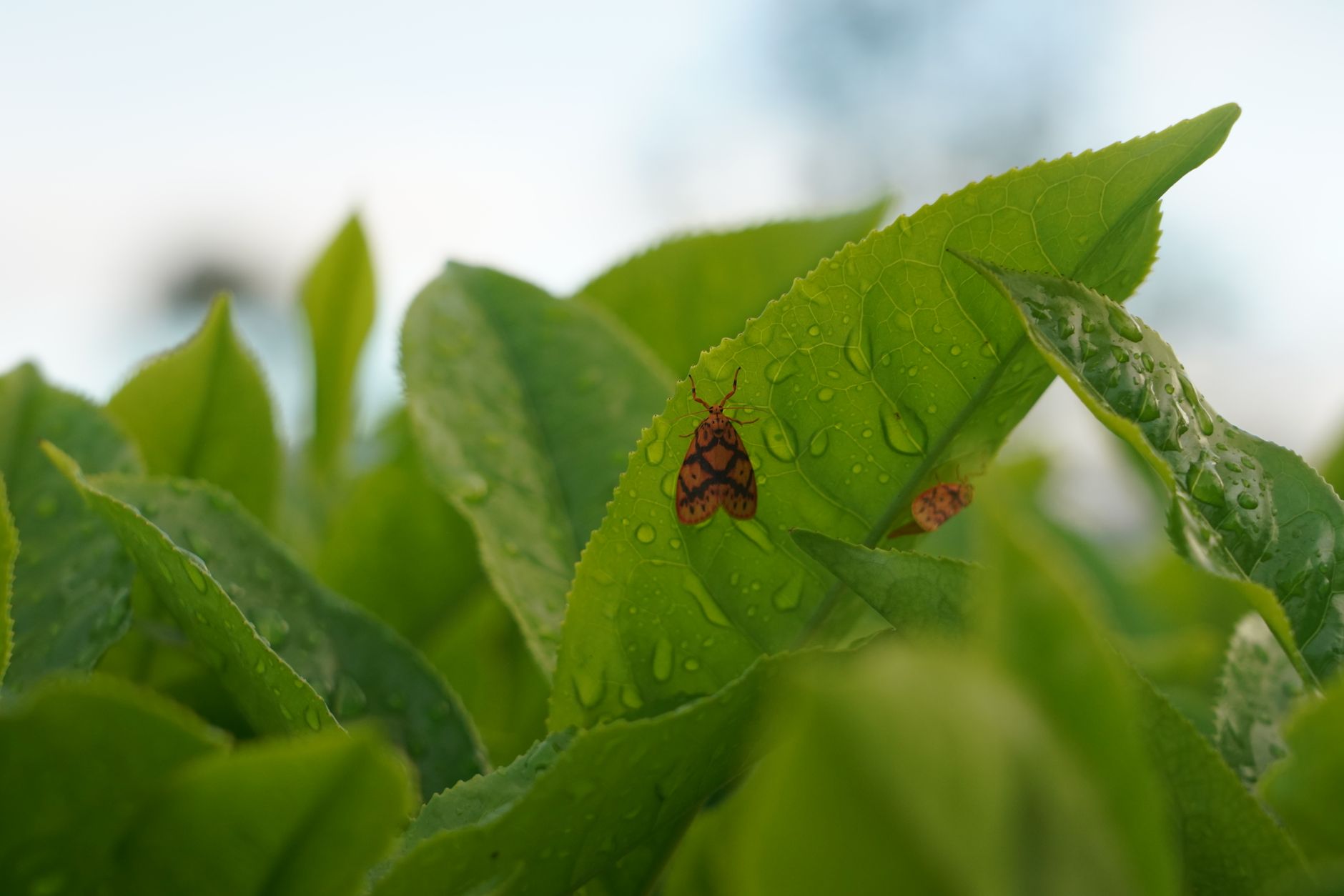
Quick Answer: Wax moths damage weak colonies, stored supers, and unprotected comb. Prevent them by keeping colonies strong, removing excess comb, freezing frames before storage, and using approved controls like Bacillus thuringiensis when needed. Regular inspection is your best defense. Wax moths are one of the most damaging pests in stored bee equipment. They can destroy drawn comb, honey supers, and even weak hives in a short time. Many new beekeepers see the webbing and think a disease took over. In truth, wax moths usually move in after another problem weakens the colony. This guide explains how to prevent wax moths, treat active infestations, and store equipment safely. For a broader look at bee pests, see our common bee diseases and pests guide. It covers prevention and treatment steps in detail. ...

August 16, 2026 · 17 min · Jarrod Gravison