Best Honey Extractors 2026: Manual and Electric Options by Scale

Best Honey Extractors 2026: Manual and Electric Options by Scale

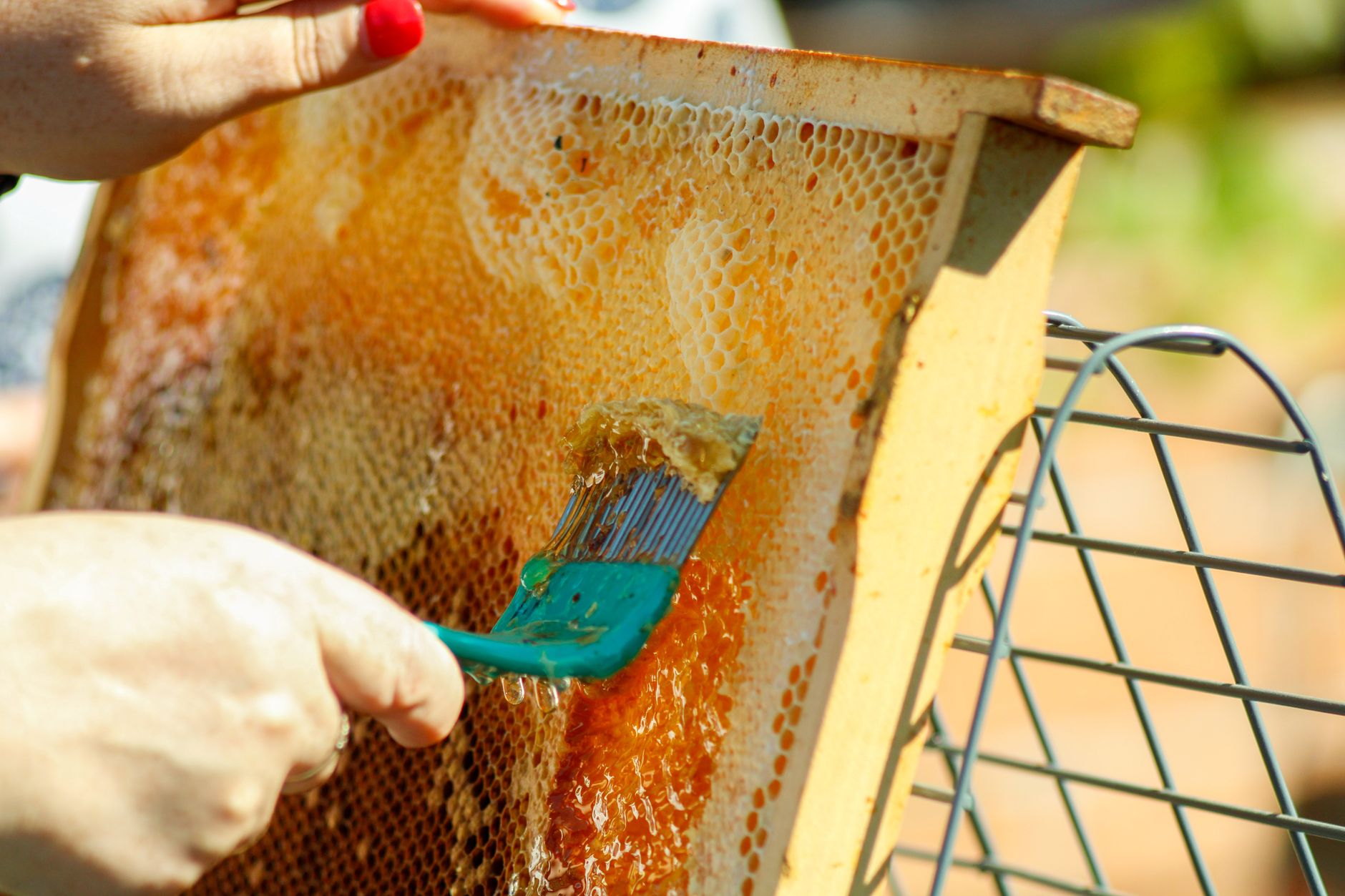
Quick Answer: For 1-3 hives, a stainless steel 2-frame manual extractor works fine. For 4-12 hives, a 4-frame electric reversible model saves hours and your wrists. For 20+ hives, a 9-frame radial extractor is worth the cost. Match capacity and drive type to your honey yield and colony count before buying. The difference between a 30-minute honey harvest and a six-hour sticky mess usually comes down to one piece of equipment. A good extractor spins honey out of comb without destroying the wax, so frames can go back into the hive. A poor extractor wastes honey, breaks comb, and turns an afternoon into a chore. In 2026, with colony losses high and every frame of drawn comb valuable, protecting that wax matters. National surveys now routinely report annual colony losses above 45%, and some seasons exceed 55%. That means beekeepers cannot afford to shred the comb they need for next spring. If you are still crushing and straining, our honey extraction equipment guide walks through the alternatives. ...
August 16, 2026 · 11 min · Jarrod Gravison
Langstroth vs Warré vs Flow Hive: Which Beehive Is Right for You?

Langstroth vs Warré vs Flow Hive: Which Beehive Is Right for You?

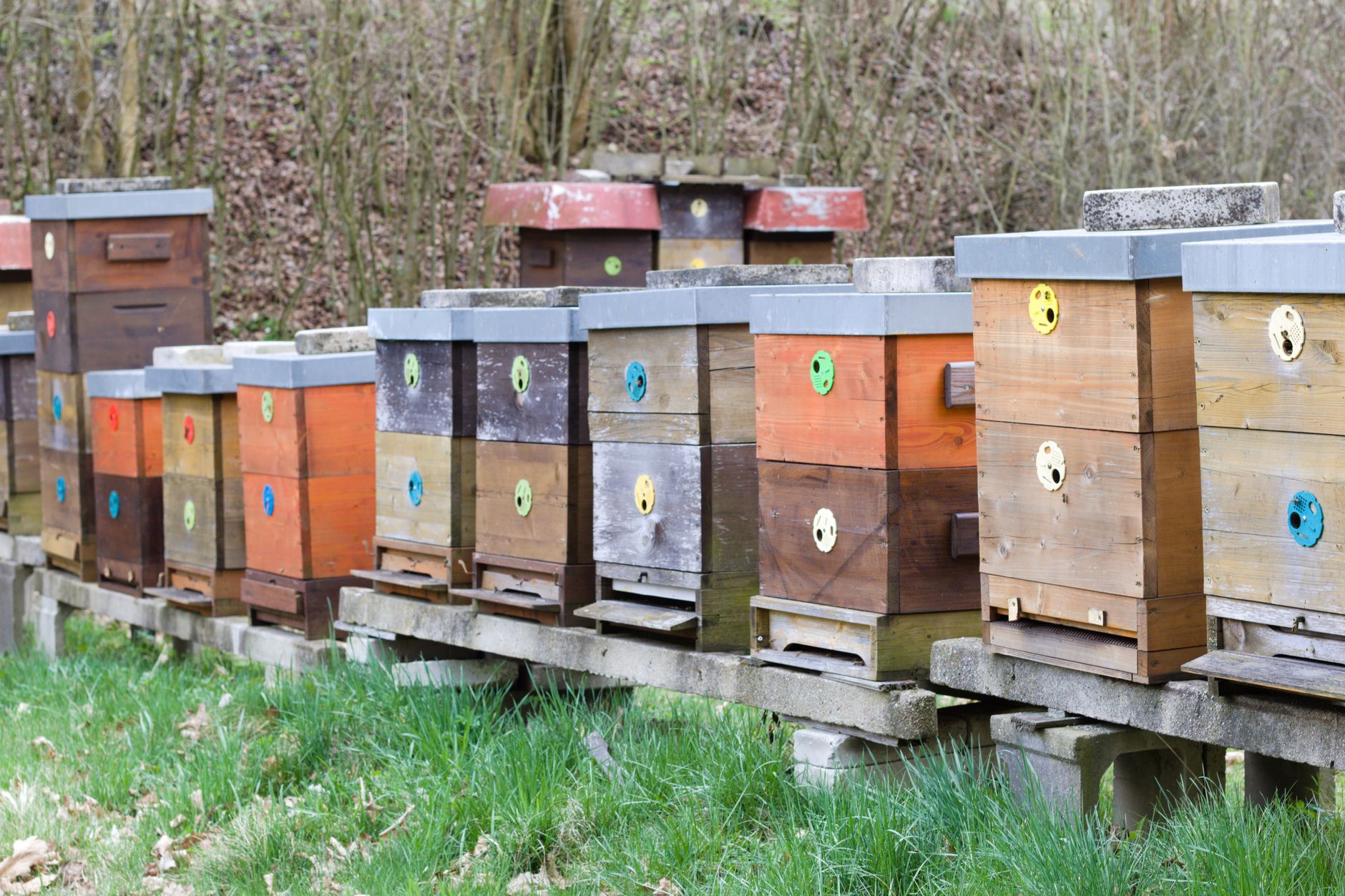
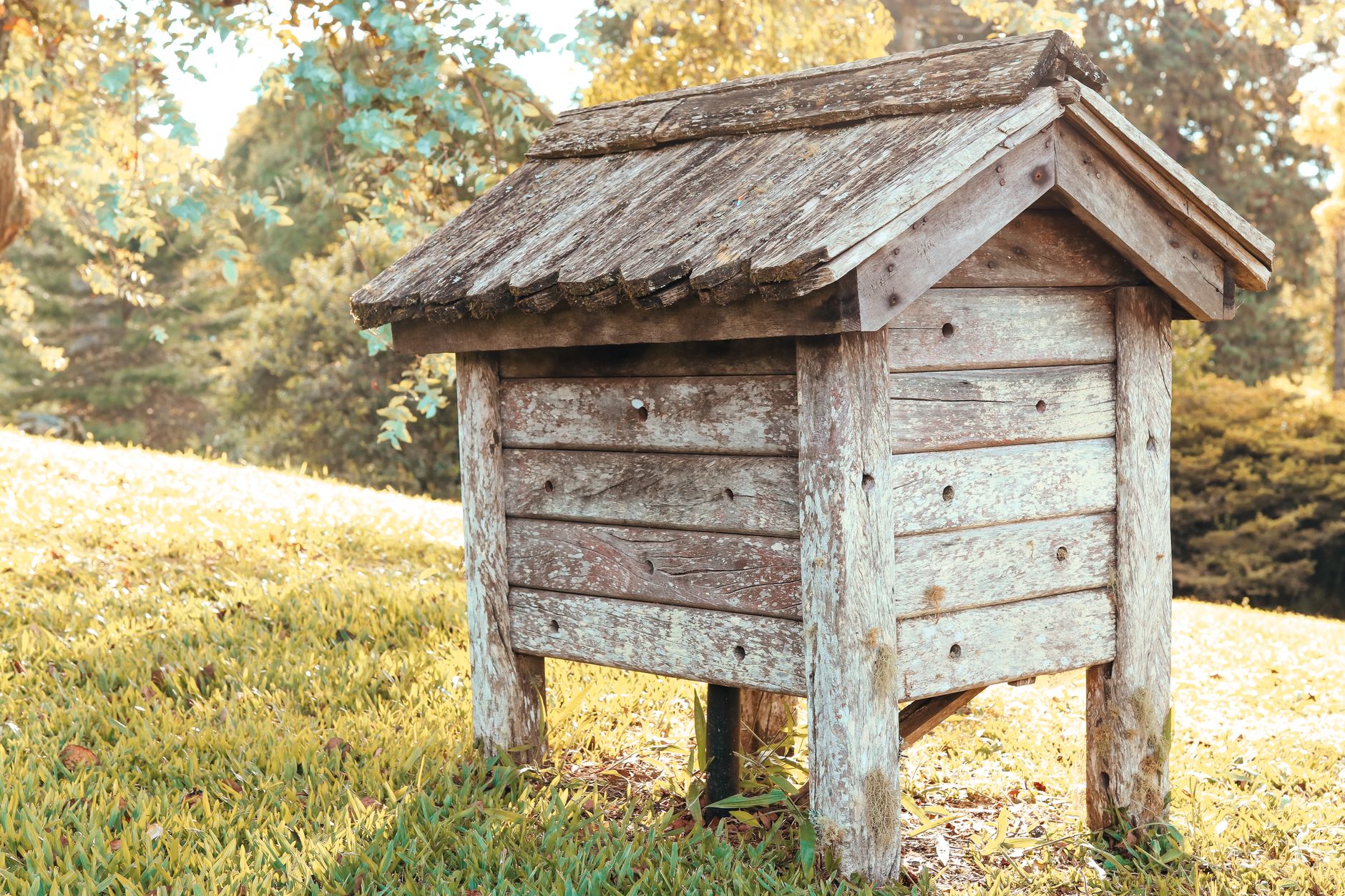
Quick Answer: Langstroth hives suit keepers who want modular, high-yield colonies and easy inspections. Warré hives appeal to hands-off, foundationless beekeeping. Flow Hives reduce honey extraction labor but cost more up front. Most new beekeepers start with a Langstroth 10-frame or 8-frame. Backyard keepers who dread extracting may prefer Flow. Natural-beekeeping fans choose Warré. Choosing a first hive feels personal, but it is really a decision about tradeoffs. Langstroth hives give you standard parts, easy inspections, and high honey yield. Warré hives reward a hands-off style with natural comb and less frequent opening. Flow Hives remove the messiest part of honey harvest, but they cost more up front. This guide compares all three on cost, inspections, honey yield, weight, and learning curve. It also includes two practical variants: 8-frame Langstroth gear and a hybrid Langstroth plus Flow Frames setup. Before you buy anything, read our complete beginner’s guide to starting your first honey bee hive so the terminology makes sense. A wrong hive is not fatal, but it can make your first season harder than it needs to be. ...

August 16, 2026 · 11 min · Jarrod Gravison
Langstroth vs Flow Hive vs Top Bar Hive: Which Is Best?

Langstroth vs Flow Hive vs Top Bar Hive: Which Is Best?

Quick Answer: Langstroth hives fit most beekeepers because they offer standardized parts, strong honey yields, and proven varroa management. Flow Hives reduce extraction labor but cost far more and still require inspections. Top bar hives suit low-cost, low-intervention beekeeping with comb honey but produce less surplus. Choose Langstroth for scalable honey production; choose top bar for natural comb; choose Flow for convenience if budget allows. Your hive choice determines how often you lift, inspect, harvest, and treat your bees. Langstroth hives use vertical stacks of rectangular frames. Flow Hives add a special plastic comb that you drain with a key. Top bar hives are horizontal boxes where bees build curving natural comb from wooden slats. Each system has loyal keepers, but they suit different goals and physical abilities. A hive is a long-term livestock commitment, not just a wooden box. If you are still deciding, start with our complete beginner guide to starting your first honey beehive to understand the equipment and seasonal rhythm each system requires before you spend money. ...

August 16, 2026 · 12 min · Jarrod Gravison
Honey Extraction Equipment Guide: What You Need for 1-10 Hives

Honey Extraction Equipment Guide: What You Need for 1-10 Hives

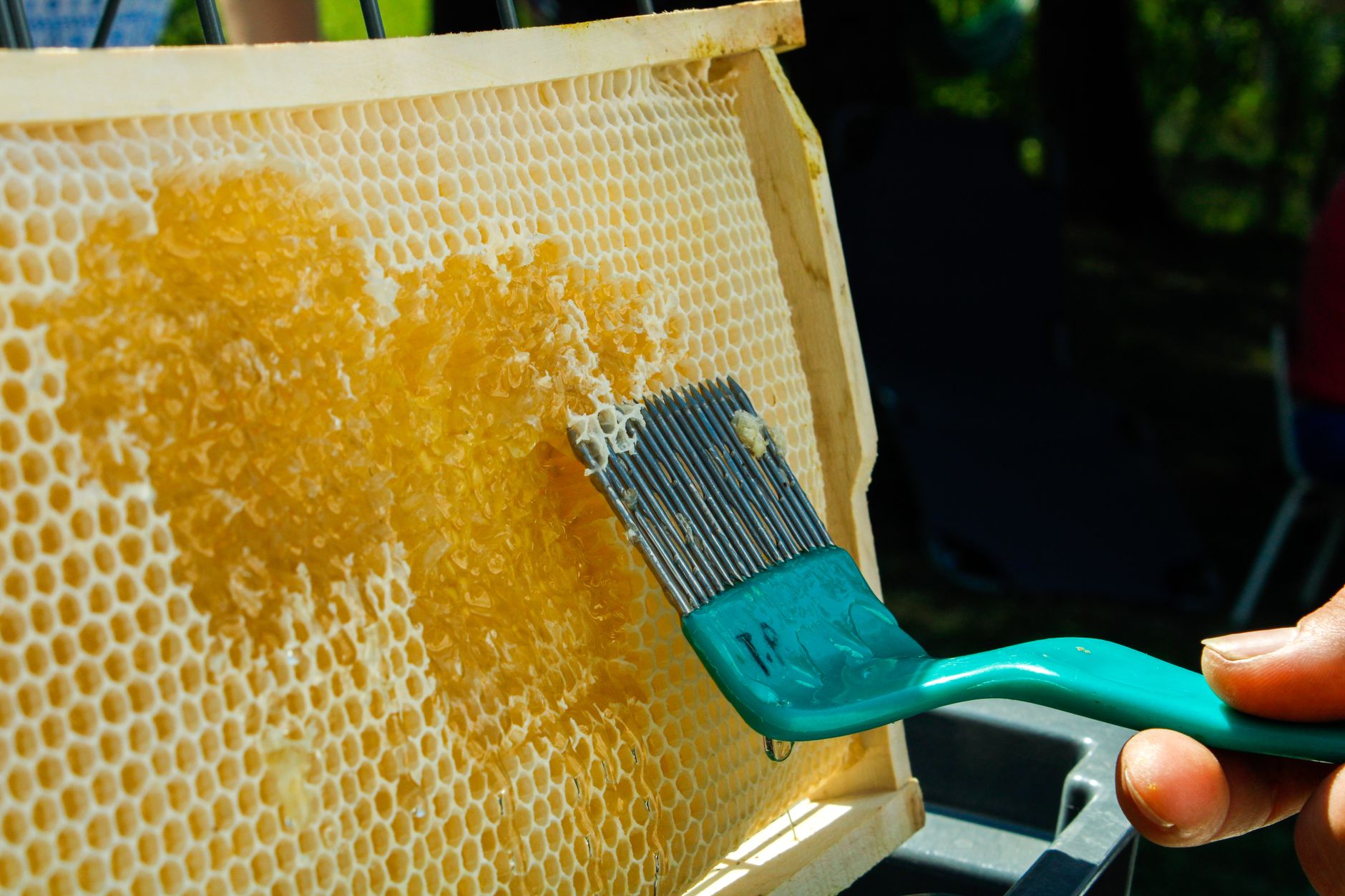
Quick Answer: For 1-10 hives, start with a 2-frame manual extractor or a 4-frame electric extractor, an uncapping knife, a double sieve strainer, and a 5-gallon bottling bucket. Five hives or fewer can get by with manual gear. Six or more justify the time savings of an electric extractor. Harvest day goes sideways when you realize you have no plan for the honey. A healthy colony can produce 30 to 80 pounds of surplus honey in a season, and strong hives with good forage can push past 100 pounds. That is too much honey to make decisions about at the last minute. Before you order supers or pull frames, look at our how much honey does one hive produce guide to estimate your crop. Then build an extraction setup that matches your hive count, your budget, and your patience. The right gear saves hours and prevents the sticky mess that kills harvest day. ...

August 16, 2026 · 12 min · Jarrod Gravison
Best Beekeeping Gloves 2026: Leather vs Nitrile vs Ventilated

Best Beekeeping Gloves 2026: Leather vs Nitrile vs Ventilated

Quick Answer: Choose goatskin leather gloves for general hive work, disposable nitrile for queen handling and nuc work, and ventilated leather for hot-weather inspections. Cowhide wins for heavy or defensive colonies, while nitrile-coated nylon is the budget high-dexterity option. Choosing gloves seems like a small decision until a hive turns defensive. Bees read movement more than color. A beekeeper in stiff, oversized gloves will fumble frames, roll bees, and trigger more stings. Glove choice is safety gear and communication. I have worn leather, nitrile, and ventilated gloves in all weather. Each type changed how I moved and how many stings I took. Before you buy, read our hive inspection guide so you know what you are looking for inside the colony. The right glove supports slow, confident handling. The wrong glove makes every inspection feel like a boxing match. ...

August 16, 2026 · 11 min · Jarrod Gravison
Best Beehive Starter Kits 2026: Complete Beginner's Guide

Best Beehive Starter Kits 2026: Complete Beginner's Guide

Quick Answer: For most new beekeepers, a 10-frame Langstroth starter kit is the best balance of cost, local support, and expandability. Buy from a dedicated bee supplier, add a quality hive tool and varroa management kit, and source bees locally. Expect to spend $180 to $450 on the kit alone. In 2026, beginner beekeepers have more starter kit options than ever. Boxes, frames, foundation, smokers, hive tools, and even extractors get bundled into tempting packages. The problem is that many kits are assembled by general hardware brands that do not understand bee biology. A bad kit costs you time and dead bees. Instead, focus on the woodenware and the basics first. Before you commit, read our complete beginners guide to starting your first honey beehive so you know what a colony actually needs. Your first kit is a foundation, not a finished operation. Choose gear that fits a standard system. ...

August 16, 2026 · 13 min · Jarrod Gravison
Beekeeping Tools and Accessories 2026: Complete Equipment Guide

Beekeeping Tools and Accessories 2026: Complete Equipment Guide

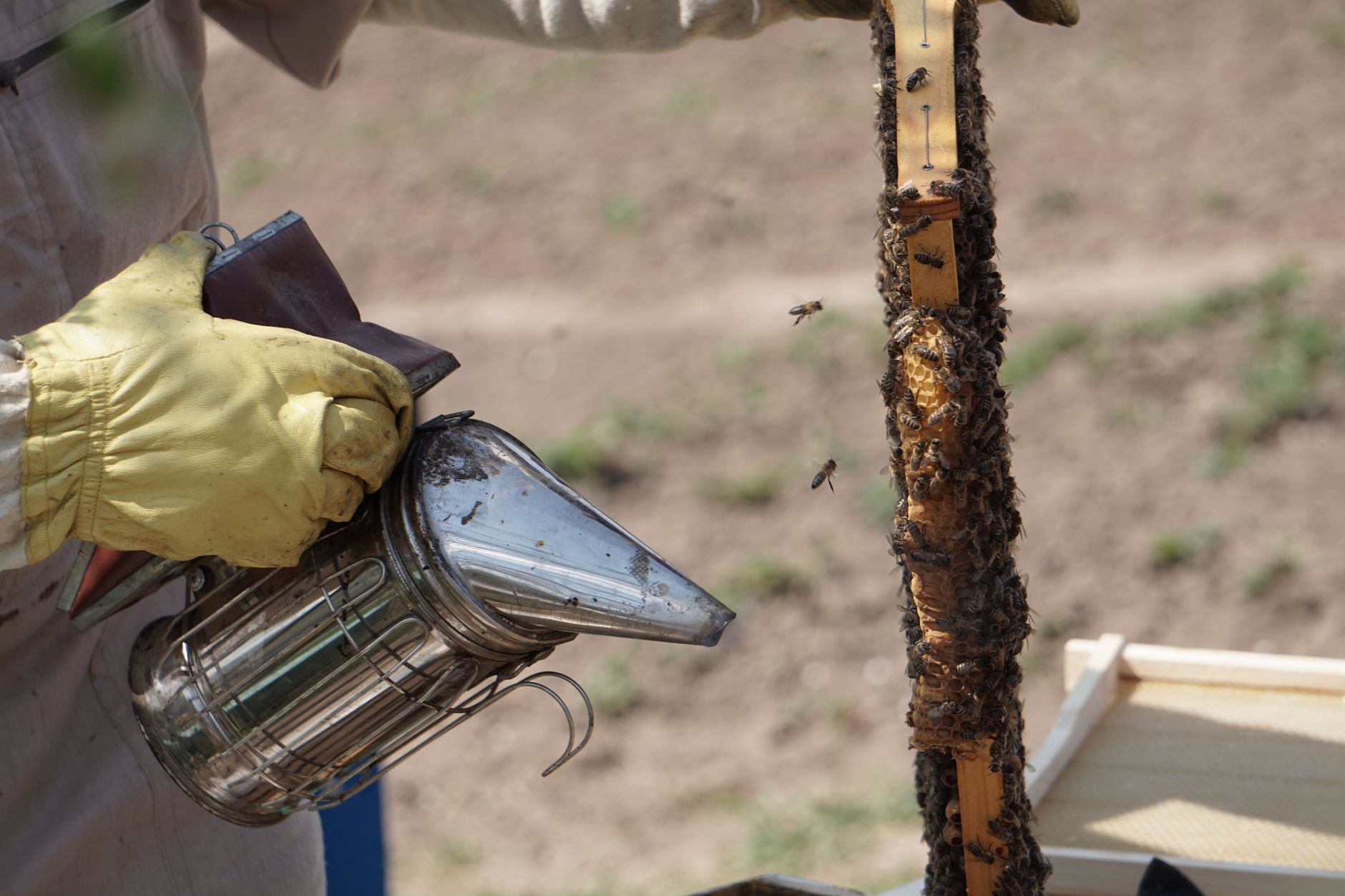
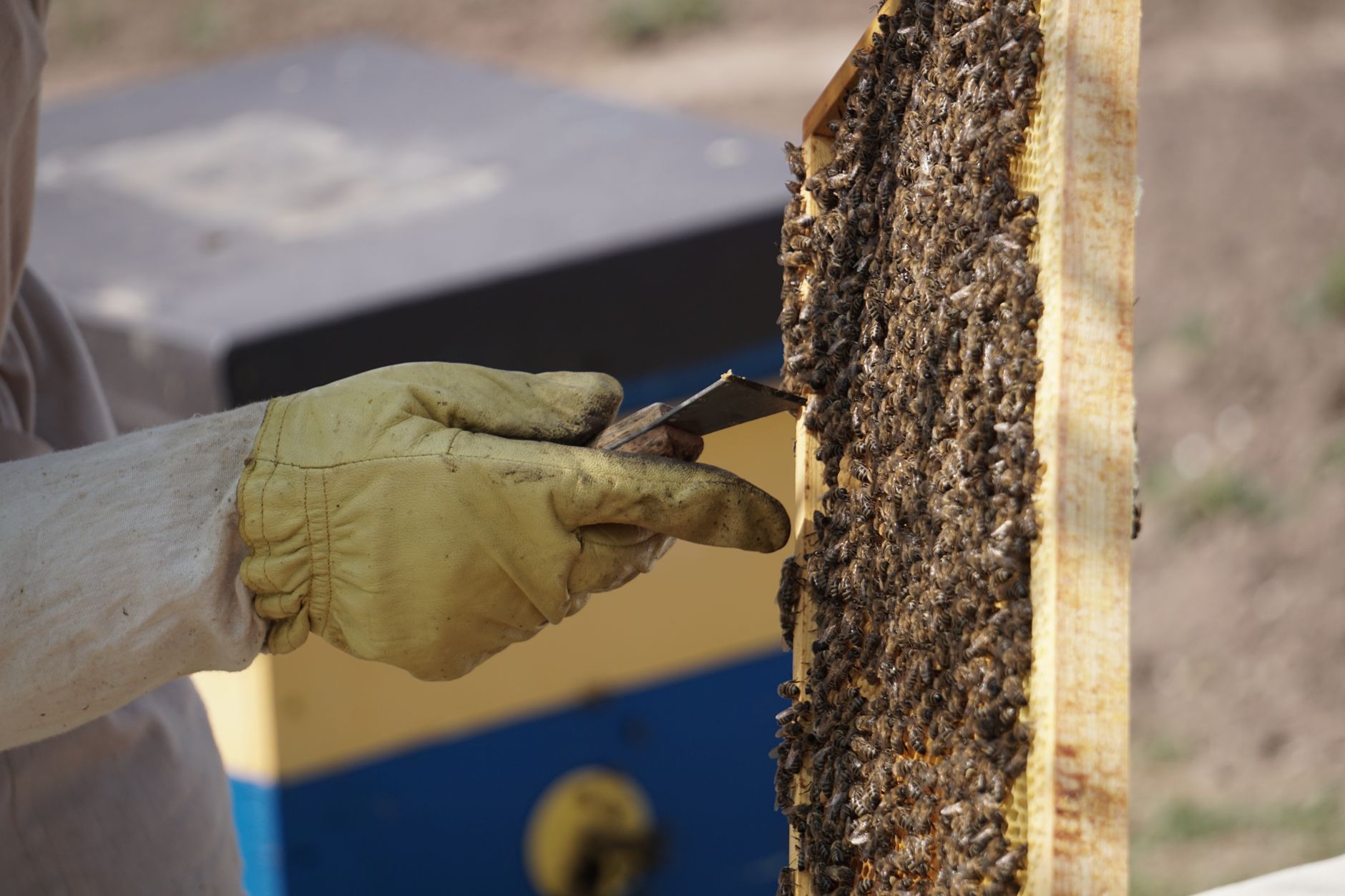
Quick Answer: Start with a hive tool, smoker, and protective gear. Add a feeder and extractor as your apiary grows. Our 2026 guide compares five essential tool categories, key specs, and realistic budgets, with links to gear. Most new beekeepers spend too much on the wrong gear and not enough on the right hive tool. In 2026, the market is full of clever accessories, but a short list of staple tools still does the heavy work. This guide walks through the five tool categories that matter most: hive tools, smokers, protective gear, feeders, and extractors. For a broader starting plan, see our complete beginner guide to starting your first honey bee hive. ...

August 16, 2026 · 11 min · Jarrod Gravison
Best Beekeeping Suit 2026: 5 Top Picks Compared

Best Beekeeping Suit 2026: 5 Top Picks Compared

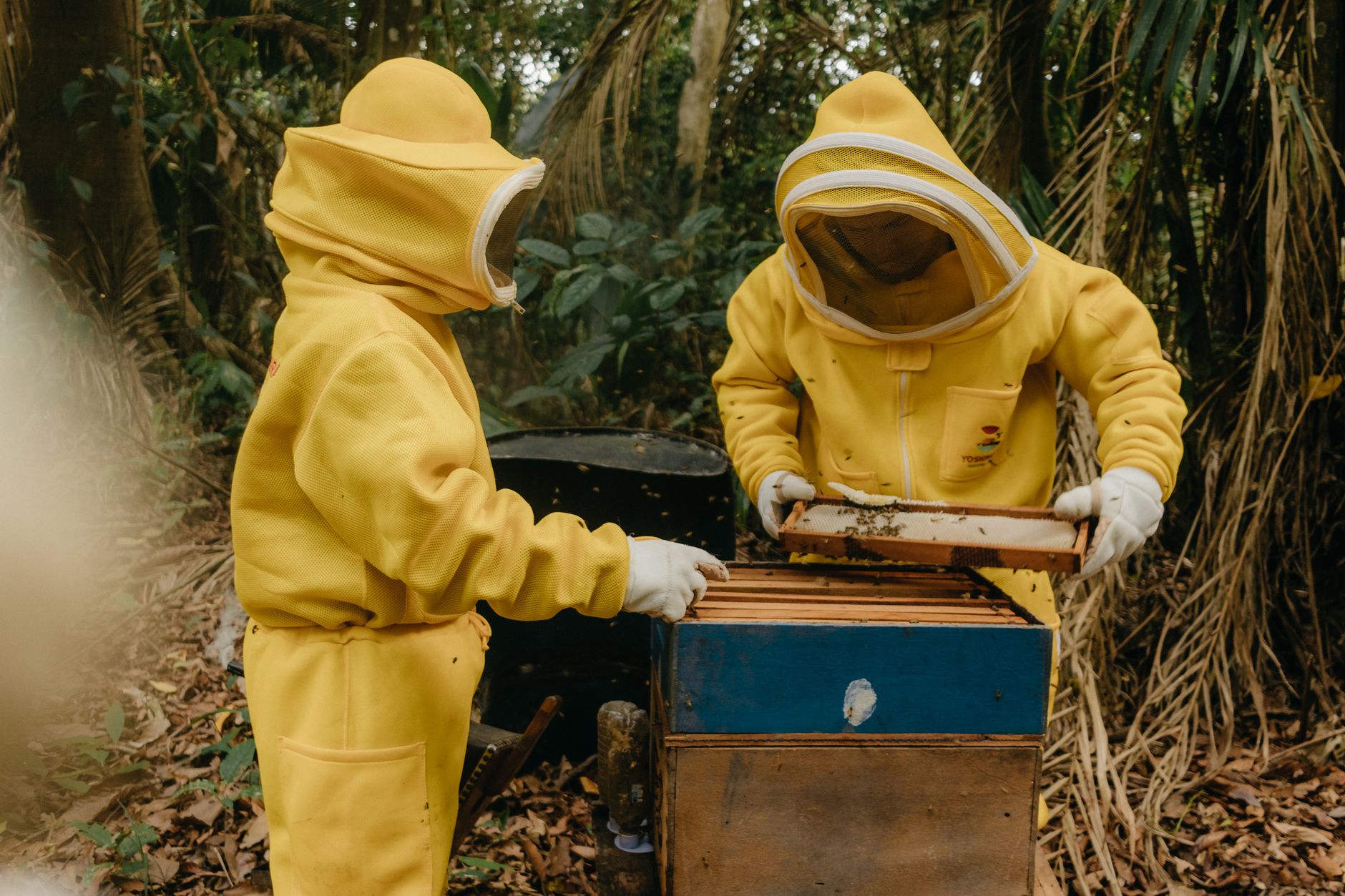
Quick Answer: The best beekeeping suit for most keepers in 2026 is the Ultra Breeze ventilated full suit. It costs more but prevents stings and heat stress during long inspections. Budget-conscious beginners should look at the Humble Bee 410 jacket or the BeeCastle cotton suit. Your choice depends on climate, colony aggression, and inspection frequency. Beekeeping keeps growing. More people are starting hives in backyards and on rooftops. But bees can sting. A sting hurts, and repeated stings make some keepers quit. The Bee Informed Partnership reports that annual colony losses still hover near 48 percent. That means you will handle hives more often and for longer periods. A good suit keeps you calm. Calm keepers make fewer mistakes. Before you buy any gear, read our complete beginner’s guide to understand the basics. You also need to know what a hive inspection involves before you buy a suit. ...

August 16, 2026 · 11 min · Jarrod Gravison