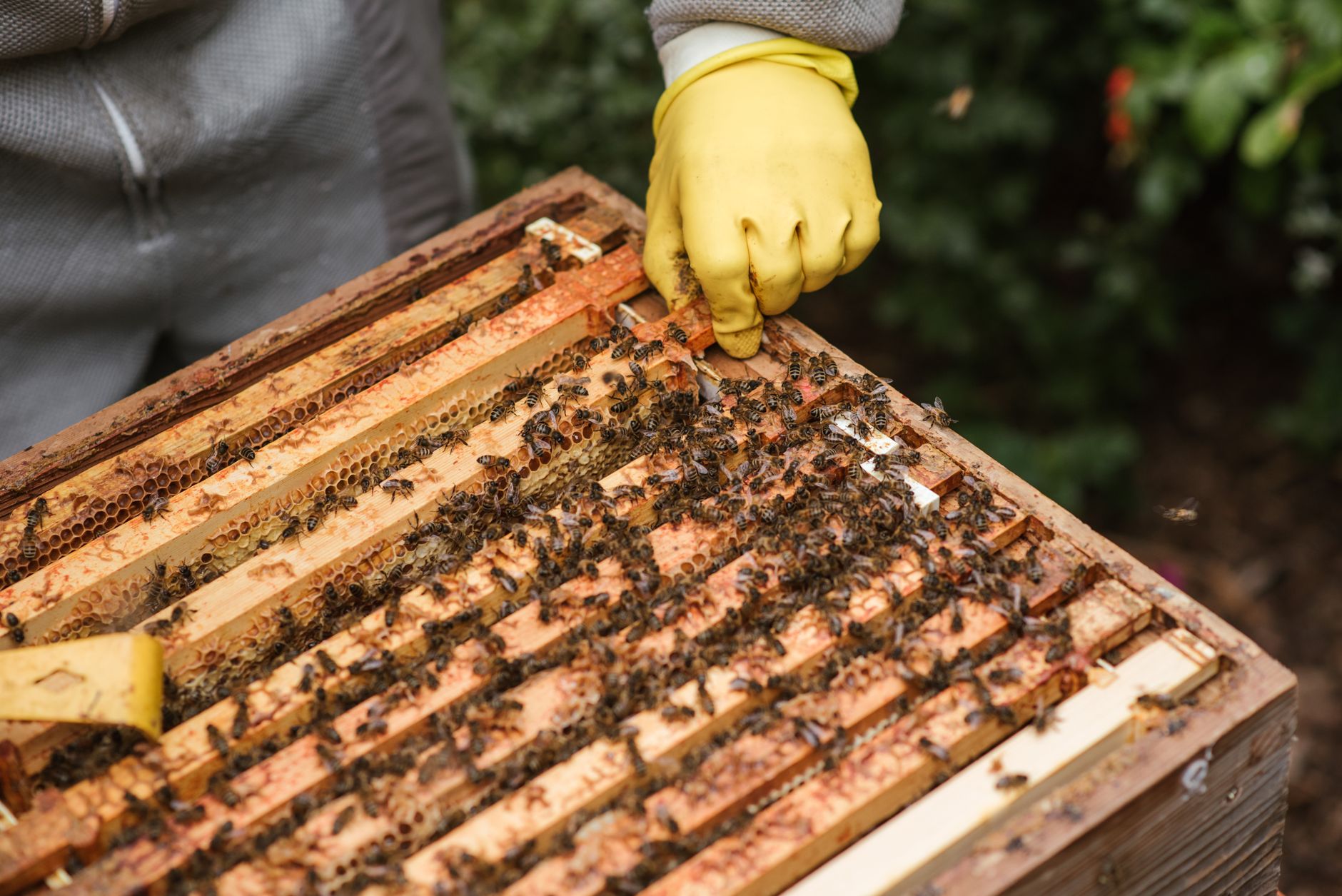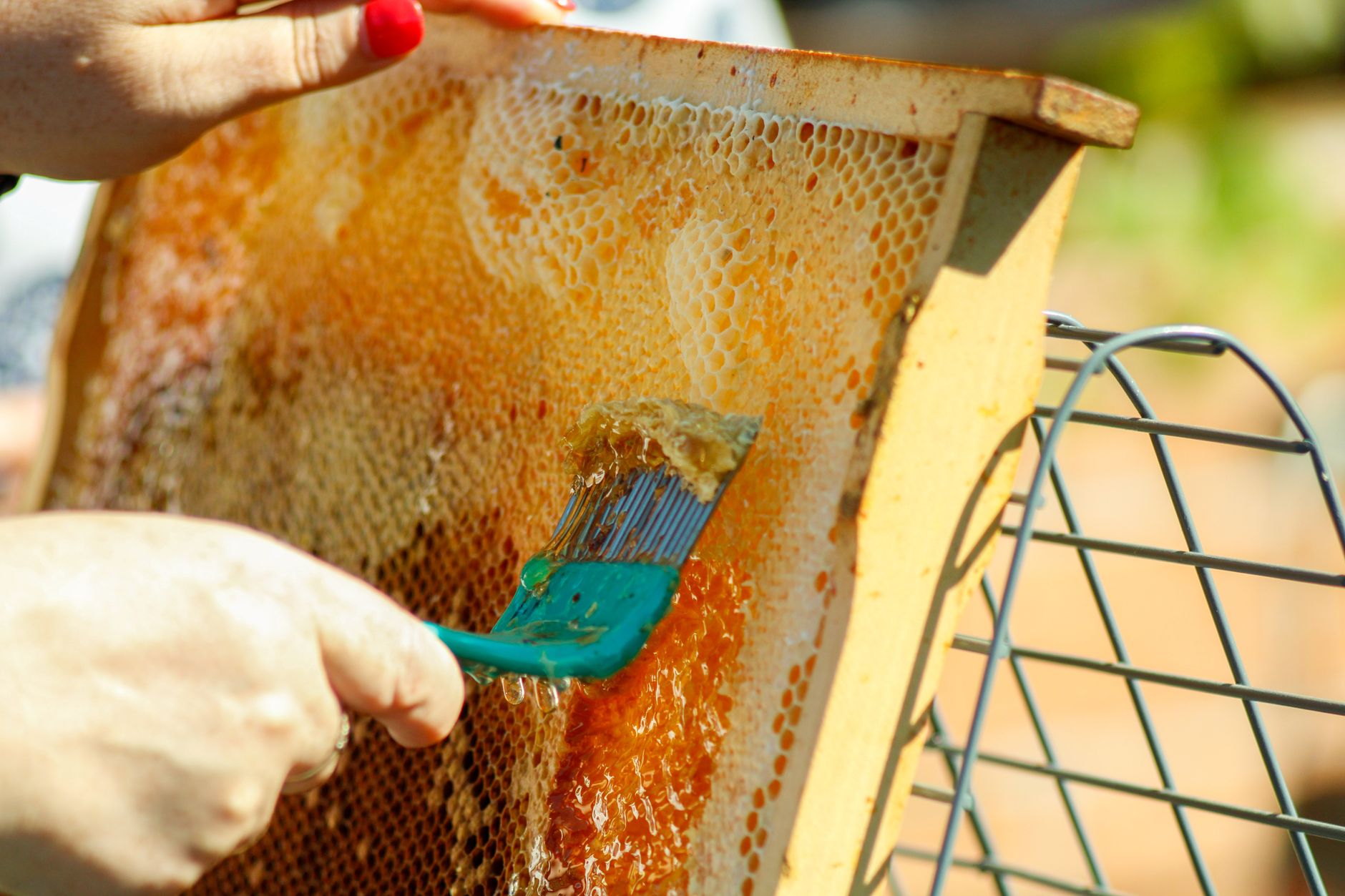
Harvest day goes sideways when you realize you have no plan for the honey. A healthy colony can produce 30 to 80 pounds of surplus honey in a season, and strong hives with good forage can push past 100 pounds. That is too much honey to make decisions about at the last minute. Before you order supers or pull frames, look at our how much honey does one hive produce guide to estimate your crop. Then build an extraction setup that matches your hive count, your budget, and your patience. The right gear saves hours and prevents the sticky mess that kills harvest day.
The equipment you need changes between 1 hive and 10 hives. A single hive can be extracted with a borrowed hand-crank extractor and a small strainer. Ten hives will bury you in wet frames if you do not have a fast, repeatable system. The USDA Agricultural Research Service has documented annual overwinter colony losses above 30% in many recent surveys. That means you need gear that helps you extract cleanly and get colonies ready for mite treatments and winter feeding without wasting a full weekend. A sticky, slow extraction process is not just annoying. It can delay critical late-season colony care.
Varroa mites remain the biggest health threat and the main driver of colony loss in most operations. The Honey Bee Health Coalition recommends a varroa management plan that includes monitoring, thresholds, and rotation of treatments. Your extraction rhythm matters here because late-season honey left on hives can interfere with mite treatment timing. Check our varroa mite treatment guide before you extract heavy honey supers in the fall. Leaving supers on too long is a common hobbyist mistake, especially when treating with formic acid or thymol products.
This guide compares the core extraction equipment for 1 to 10 hives. I focus on manual and electric extractors, uncapping tools, straining, and bottling because those are the pieces that either save time or create a sticky bottleneck. This is not a brand loyalty contest. It is a practical equipment map built around hive count, budget, and how many hours you actually want to spend in the honey house. You do not need a heated sump or a flash heater. You need clean gear that pulls honey, filters wax, and fills jars efficiently. That is what I cover below.
How Do the Top Options Compare?
| Equipment | Best For | Typical Price | Key Spec |
|---|---|---|---|
| 2-Frame Manual Honey Extractor | 1-4 hives | Check price | Hand crank, stainless drum, two-frame basket |
| 4-Frame Electric Honey Extractor | 5-10 hives | Check price | 110V motor, variable speed, radial/tangential |
| Uncapping Tool Kit | Clean comb prep | Check price | Heated knife or roller, cappings tub |
| Double Sieve Honey Strainer | Wax removal | Check price | 400/200 micron screens, stackable |
| 5-Gallon Honey Bottling Bucket | Settling and bottling | Check price | Food-grade HDPE, gate valve, lid |
Prices are typical ranges for home-scale equipment and vary by brand, build material, and seller. Price links are affiliate links and support our work at no extra cost to you.
1. 2-Frame Manual Honey Extractor , Best for 1-4 Hives and Tight Budgets
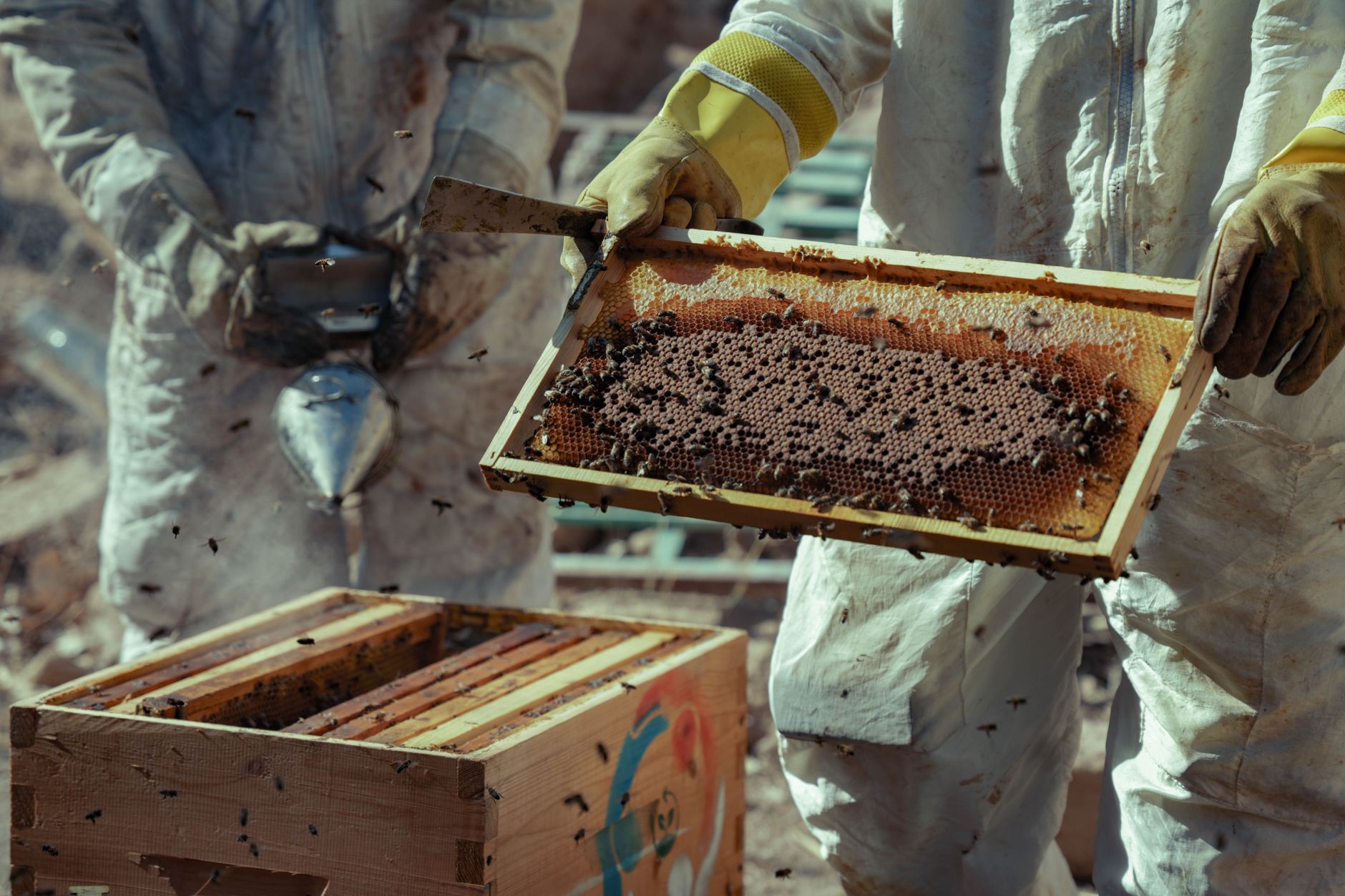
A two-frame manual extractor is the sensible starting point for a backyard beekeeper with fewer than five producing colonies. It has a stainless steel drum, a hand crank, and a two-frame basket that spins out honey by centrifuge. A standard deep frame can be processed in about 2 to 3 minutes once you learn to reverse the frame to get both sides. That pace works for a single hive or a small yard, but it turns into a long afternoon at 10 hives.
Expect to pay less than $200 for many entry-level models. Check the 2-frame manual honey extractor on Amazon if you want to compare drum sizes and crank handles. The biggest advantage is that you can extract anywhere without electricity. The biggest downside is that hand crank force increases as the basket loads with honey and wet comb.
Look for a drum with a honey gate, legs that raise the bucket enough for a strainer, and a lid that stays open while you turn. Some models have plastic gears that strip if you crank too hard. Stainless steel gears or a direct-drive crank last longer. If you are still deciding between basket sizes, our best honey extractors 2026 guide breaks down more options.
Key strengths:
- ✅ Lower upfront cost than motorized extractors, often under $200.
- ✅ Works without electricity, so you can extract in a shed or apiary.
- ✅ Easy to clean because only the drum and basket touch honey.
- ✅ Compact enough to store in a closet or garage corner.
- ❌ Hand cranking gets tiring after 6 to 10 frames.
- ❌ Slower than electric models when you have more than 4 hives.
- ❌ Cheap plastic gears can strip under heavy loads.
Who it’s for: Choose this if you have 1-4 hives and want the most affordable equipment without relying on a club extractor.
2. 4-Frame Electric Honey Extractor , Best for 5-10 Hives and Repeat Harvests
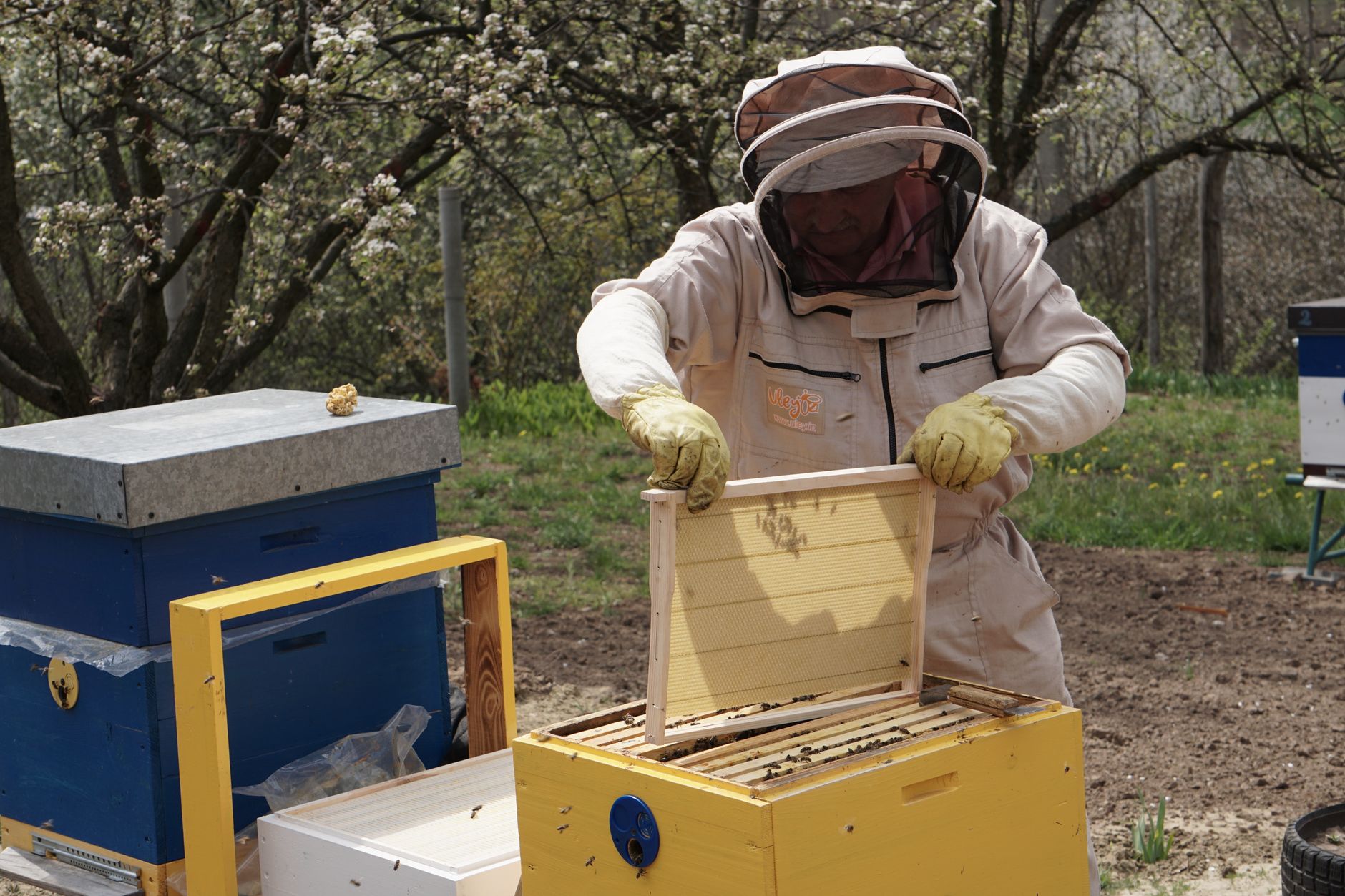
When you cross the 5-hive line, an electric extractor changes the math. A 4-frame electric radial or tangential extractor can spin out 20 to 30 medium frames in an hour if one person uncaps while another loads frames. That is enough throughput for 10 hives in a morning. The motor does the work, but you still need to flip frames in some models if you buy a tangential basket.
Prices rise quickly, usually $500 to $1,500 or more, depending on stainless steel thickness and controls. Check the 4-frame electric honey extractor on Amazon to compare motor specifications. A variable speed controller helps you start slow when frames are heavy and then ramp up. Avoid no-name motors that cannot run for 20 minutes straight without overheating.
Before purchase, measure the space under your workbench or honey house counter. These units are heavier and taller than manual extractors. You need a level floor and a drain path to a bucket. Also plan how you will clean it. A motorized extractor with a removable basket is much easier to rinse. For a full walkthrough of harvest day, see our how to harvest honey first time guide.
Key strengths:
- ✅ Processes 20 to 30 medium frames per hour with two people.
- ✅ Variable speed lets you start slow to avoid blowing out comb.
- ✅ Radial models extract from both sides without flipping.
- ✅ Saves hours on every extraction day after the first.
- ❌ Higher upfront cost, often $500 to $1,500.
- ❌ Needs electricity and a stable, level surface.
- ❌ Heavy and harder to move or store than manual units.
Who it’s for: Choose this if you run 5-10 hives and want to finish extraction in one session without hand cranking.
3. Uncapping Tool Kit , Best for Clean Comb Preparation
You cannot extract honey through cappings. An uncapping tool kit removes the wax cap from one side of each frame so honey can fly out in the extractor. The two common choices are a heated knife and a cappings scratcher or roller. A heated knife slices through cappings cleanly, while a scratcher roughs up missed cells on uneven comb.
Expect to spend $30 to $80 for a basic electric uncapping knife or a cappings roller with a tub. Some beekeepers use a cold knife and hot water bucket, but that is slow and messy. A cappings tub with a crossbar holds the frame while you uncap. Look for a tub deep enough to catch wax and honey without dripping on the floor.
If you frequently inspect colonies, your how to do a hive inspection skills will help you spot heavy frames before pulling supers. For uncapping, check an uncapping knife and roller kit on Amazon. The knife you choose decides how much wax gets damaged.
Key strengths:
- ✅ Heated knife cuts a flat, clean surface on drawn comb.
- ✅ Cappings scratcher rescues low spots on uneven frames.
- ✅ Cappings tub keeps wax and honey contained.
- ✅ Works with both manual and electric extractors.
- ❌ Cheap heated knives can scorch comb if left too hot.
- ❌ Some kits include tools you may not need for flat frames.
- ❌ The bucket gets sticky quickly and needs immediate cleanup.
Who it’s for: Choose this if you want clean uncapping without tearing comb or dripping honey everywhere.
4. Double Sieve Honey Strainer , Best for Wax and Debris Filtration
Fresh honey comes out of the extractor with wax bits, bee parts, and propolis specks. A double sieve strainer removes that debris without heating or pressurizing the honey, so it stays raw. A common setup is a 400-micron top screen and a 200-micron bottom screen stacked over a bucket.
Straining is faster than fine filtering, and it is better for honey you want to sell as raw. Let the honey settle for 24 hours after straining, then skim the foam and fine particles that rise. Hive pests can leave debris in honey supers, so keep your extraction area separate from active pest treatments.
A nylon sieve is cheap and easy to clean, but it can flex and splash if you pour too fast. Stainless steel double sieves hold shape better. Either way, pour in small batches and scrape the screen with a soft spatula when the flow slows. Clogging is normal, especially with cappings wax mixed in.
Key strengths:
- ✅ Removes wax, bee parts, and large debris in one pass.
- ✅ Does not heat honey, so it preserves raw enzymes and aromas.
- ✅ Stackable design fits over standard 5-gallon buckets.
- ✅ Inexpensive compared to extractors and tanks.
- ❌ Screens clog quickly with wax and propolis.
- ❌ Not fine enough to remove all pollen or dissolved air.
- ❌ Cheap nylon frames can bend when heavy with honey.
Who it’s for: Choose this if you want raw honey that is clean enough to bottle or sell at a farm stand.
5. 5-Gallon Honey Bottling Bucket with Gate Valve , Best for Settling, Storage, and Bottling
After straining, honey needs to settle before bottling. A 5-gallon food-grade bucket with a honey gate valve gives you one place to let honey settle, then fill jars without lifting and pouring. The gate valve controls flow and reduces the sticky mess that comes from pouring from a bucket lip.
Look for a bucket with a lid, a removable gate valve, and clear volume markings. Food-grade HDPE is fine for honey contact. Before you buy, know that honey is dense. A full 5-gallon bucket can weigh about 60 pounds, so set it on a stand or counter before filling.
For small harvests, a 2-gallon bottling bucket works fine. But if you harvest 60 to 100 pounds per year from 3 to 5 hives, a 5-gallon bucket is the right size. If you live where fall feeding matters, our how to winterize beehives guide will tell you how much to leave for the bees before pulling surplus honey.
Key strengths:
- ✅ Hands-free gate valve fills jars cleanly and stops flow quickly.
- ✅ Food-grade bucket allows honey to settle before bottling.
- ✅ Clear markings help track yield and compare hives.
- ✅ Lids keep out ants, roaches, and moisture.
- ❌ Gate valve can leak if the rubber washer is loose.
- ❌ A full 5-gallon bucket weighs around 60 pounds.
- ❌ Plastic scratches can harbor sticky residue if cleaned roughly.
Who it’s for: Choose this if you bottle at home and want a settling tank that also serves as a filling station.
Frequently Asked Questions
What is the minimum equipment needed to extract honey from 1 hive?
You need an uncapping tool, a honey extractor, a strainer, and a food-grade bucket or bottling bucket. For one hive you can also use the crush and strain method with a bowl and cheesecloth, but an extractor preserves comb. Start with a 2-frame manual extractor to save time.
Should I buy an electric extractor for 5 hives?
An electric 4-frame extractor is worth it at 5 to 10 hives because it saves several hours and reduces hand strain. If you have a second person to uncap frames, you can process 20 to 30 medium frames per hour. A manual extractor is still fine if you only extract once per year and have help.
How do I choose between manual and electric honey extractors?
Base it on hive count and shoulder strength. Manual extractors cost less and work without electricity but become tiring beyond 5 hives. Electric extractors cost more and need power but process frames much faster. A radial electric model also eliminates frame flipping.
Do I need to strain honey right after extraction?
You can let honey settle in a bucket and skim the surface, but straining right away removes wax and bee parts before bottling. Use a double sieve with 400-micron and 200-micron screens. Avoid fine filters if you want raw honey with natural pollen.
How long does honey extraction take for 10 hives?
With two people, a 4-frame electric extractor can finish 10 medium supers in about 3 to 5 hours including uncapping and cleanup. A manual setup may take all day and tax your arms. Plan extra time for washing honey-covered equipment.
Can I use a 5-gallon bucket for honey storage?
Yes, if the bucket is food-grade HDPE and has a tight lid. Honey is hygroscopic, so keep it sealed to avoid moisture absorption. A full bucket weighs about 60 pounds, so set it on a sturdy surface. For long-term storage, use food-safe containers and keep the room cool.
What Should You Remember?
- Start with a 2-frame manual extractor for 1-4 hives, and borrow or rent before spending more.
- Move to a 4-frame electric extractor at 5-10 hives to avoid all-day extraction sessions.
- Uncap cleanly with a heated knife or cappings roller so frames extract completely.
- Strain with a double sieve at 400 and 200 microns to keep raw honey clean without fine filtering.
- Use a bottling bucket with a gate valve to settle, skim, and jar honey without pouring from the top.
- Know your hive count and honey yield so you do not buy a machine that is too small for next season.
- Clean all extraction gear immediately because hardened honey and wax are much harder to remove later.
This article is for general information only and is not veterinary or legal advice. Beekeeping is regulated in most regions and involves live animals with their own health needs , always follow local regulations and best practices, and consult a qualified apiarist, extension service, or veterinarian for bee-health or disease concerns.