Photo by Dmytro Glazunov

Beekeeping Class Compared: 5 Top Formats for New Beekeepers

Quick Answer: Start with a local association beekeeping class that includes a field day. It costs $50 to $150 and gives you mentors plus real hive time. Online university courses teach varroa and bee biology well. Hands-on workshops build confidence. Skip master certification until you have kept bees for at least one full season. A beekeeping class is the cheapest insurance you can buy before assembling your first hive. USDA survey data shows managed honey bee colony losses in the United States have hovered around 48 percent in recent years. That number is not just a beginner problem. Even experienced keepers lose hives to varroa mites, failing queens, and winter stress. A structured class teaches you how to spot these problems before they kill a colony. The USDA Agricultural Research Service and state extension programs both point to education as a major factor in overwintering success. For a full setup guide, see our complete beginner’s guide to starting your first honey beehive. ...
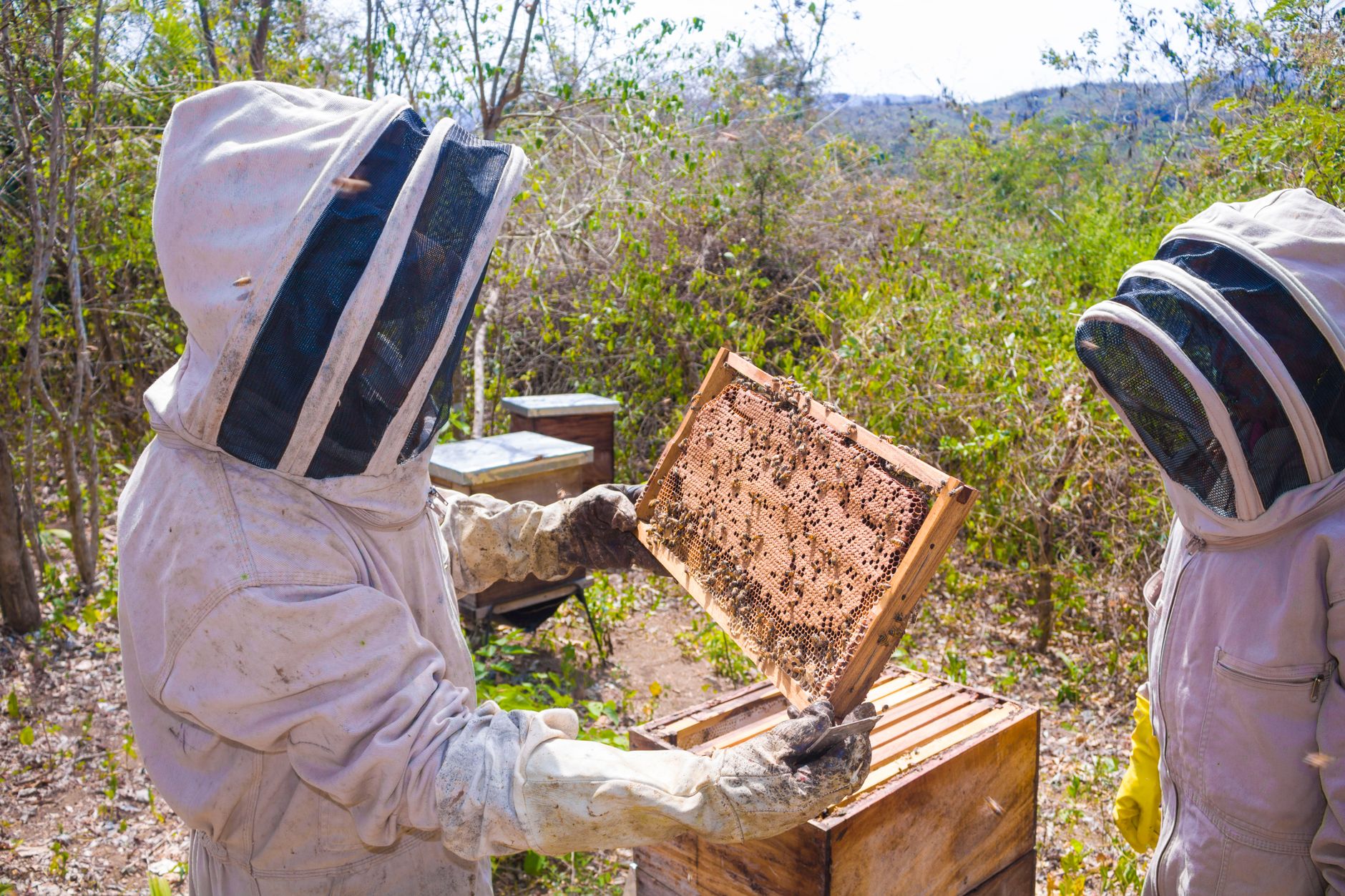
September 11, 2026 · 12 min · Jarrod Gravison
Photo by Anete Lusina

Benefits of Beekeeping: 5 Rewards Compared for Beginners

Quick Answer: Beekeeping offers five main benefits: garden and orchard pollination, raw honey and hive products, pollinator conservation education, lifelong skill building, and small-scale income. Most beginners should choose one primary benefit and one secondary benefit. Start with a healthy colony, a varroa management plan, and nearby forage. Expect colony losses near 40 to 50 percent annually if mites go unmanaged. Beekeeping benefits look almost too broad to compare side by side. Some beekeepers start for honey. Others want better tomatoes, cucumbers, and squash. A third group wants to help pollinators after years of rough colony-loss headlines. Some newcomers want a hobby that forces them outside. Others want shelf-stable raw honey or beeswax for candles. A few want to understand colony health after seeing backyard bees in news reports. This guide sorts the largest benefits into five practical buckets, with honest limitations and current research links. We draw on USDA Agricultural Research Service data, American Beekeeping Federation guidance, and Honey Bee Health Coalition tools. The benefit you value most determines hive style, location, and how much time you spend. ...

September 10, 2026 · 11 min · Jarrod Gravison
Beekeeping Age: Best Ages to Start and What to Expect

Beekeeping Age: Best Ages to Start and What to Expect

Quick Answer: Most people can start beekeeping from age 6 or 7 with adult help. Teens can learn full inspections. Adults and seniors do best with a mentor and lighter boxes. Your strength, schedule, and local rules matter more than your exact age. Age matters less than fitness, supervision, and follow-through. A seven-year-old can mark a queen while an adult holds the frame. A seventy-year-old can run a horizontal hive without ever lifting a deep box. I have watched both succeed in the same community apiary. The real question is not how old you are. It is who will lift the 60-to-80-pound boxes and who will check for varroa mites every month. Before buying bees, read the complete beginners guide to starting your first honey beehive so you know the weekly rhythm. ...

September 6, 2026 · 10 min · Jarrod Gravison
Buying Bees 2026: Packages vs Nucs vs Splits for New Keepers

Buying Bees 2026: Packages vs Nucs vs Splits for New Keepers

Quick Answer: For most beginners, a nuc is the safest first hive. You get an accepted queen, drawn comb, and brood. Packages cost less but need more time. Splits only work if you already have a strong colony to divide. Your first hive decision sets the tone for your whole first season. You can buy a package of bees, buy a nucleus colony called a nuc, or make a split from an existing hive. These three options are not equal in cost, speed, or risk. Packages give you bees and a queen in a box. Nucs give you a small functioning colony on drawn frames. Splits give you frames of bees and brood pulled from an established colony. New beekeepers often focus on price first. Experienced beekeepers focus on colony momentum. A colony that starts with brood and drawn comb usually builds faster than a package on bare foundation. That difference shows up in varroa management, winter survival, and honey yield. ...

August 16, 2026 · 11 min · Jarrod Gravison
When Is the Best Time to Start a Beehive? Seasonal Timing Guide

When Is the Best Time to Start a Beehive? Seasonal Timing Guide

Quick Answer: In most of North America, early spring is the best time to start a beehive. Aim to install package bees or a nucleus colony after nighttime lows stay above 40°F and daytime highs reach the 50s and 60s, usually April through early June. This gives bees enough time to build comb, raise brood, and store honey before winter. New beekeepers often spend months reading about hive parts and bee biology, then stumble on a simple question: When should I actually start? Timing is not a minor detail. Honey bee colonies operate on a seasonal calendar. They raise brood, collect nectar, and produce wax most actively during spring and early summer. If you install bees too late, they may not have enough time to draw comb and build population before colder weather arrives. If you start too early, a late cold snap can chill a small cluster. Understanding this rhythm before you order equipment can save money, frustration, and colony loss. ...

August 16, 2026 · 10 min · Jarrod Gravison
How to Keep Bees in a City or Small Backyard

How to Keep Bees in a City or Small Backyard

Quick Answer: Urban beekeeping works when you check local rules, choose calm bees, and place a hive with morning sun, a water source, and a clear upward flight path. One Langstroth hive needs about a 10 by 10 foot area and can yield 25 to 60 pounds of honey in a good year. Many people assume honey bees need open farmland. That is not true. City hives often do well because urban neighborhoods offer diverse flowers, longer nectar flows, and less agricultural pesticide drift than rural monoculture areas. The American Beekeeping Federation points out that local rules and thoughtful hive placement matter more than whether you live in the country or the city. Before you order bees, learn the basic steps for how to start beekeeping with no experience. This will help you avoid common beginner mistakes. ...

August 16, 2026 · 15 min · Jarrod Gravison
How to Start Beekeeping with No Experience: 2026 Guide

How to Start Beekeeping with No Experience: 2026 Guide

Quick Answer: Starting beekeeping with no experience is doable if you take a local class, choose the right Langstroth hive, buy a nuc from a reputable supplier, and inspect every 7 to 10 days. Expect to spend $400 to $800 the first year. Focus on varroa mite management from day one. Starting beekeeping with no experience feels large, but thousands of new beekeepers do it every spring. You do not need a farm or an agricultural background. You need a sunny corner, the right gear, and a willingness to inspect a living colony on schedule. This guide walks through the whole first year. It covers location, hive choices, bee sourcing, inspections, pests, winter prep, and honey harvesting. For a broader overview first, read our complete beginners guide to starting your first honey beehive. ...
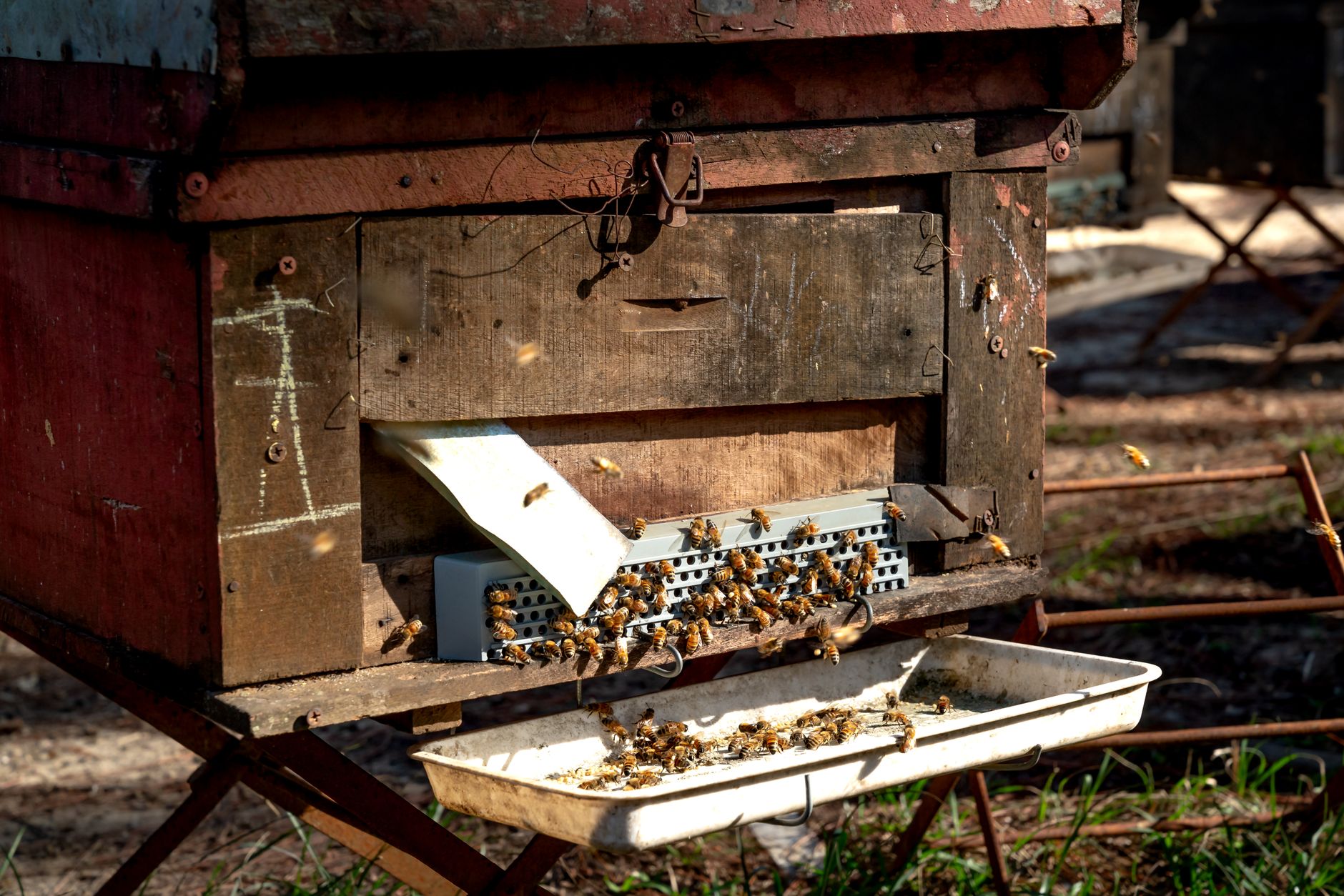
August 16, 2026 · 14 min · Jarrod Gravison
How Much Does It Cost to Start Beekeeping? 2026 Breakdown

How Much Does It Cost to Start Beekeeping? 2026 Breakdown

Quick Answer: A realistic first-year budget for one hive is $500 to $800. That covers a starter kit, protective gear, a smoker, a hive tool, bees, and basic mite treatment. You can spend less with used equipment or a free swarm, or more with a premium suit and a second hive. Many beginners hear wildly different numbers for starting beekeeping. One friend may say $300, another may claim $2,000. For a single complete hive in 2026, plan on a first-year range of $500 to $800. That amount gets you safe equipment, a standard Langstroth hive, basic tools, and a healthy colony of bees. It does not cover honey extraction equipment, extra hives, or your time. It also assumes you buy new woodenware rather than build it yourself. Prices vary by region, supplier, and how much you can borrow from a local bee club. Still, $500 to $800 is a fair planning number for most new beekeepers in the United States. ...

August 16, 2026 · 11 min · Jarrod Gravison
How to Start Your First Honey Beehive: A Complete Guide

How to Start Your First Honey Beehive: A Complete Guide

Quick Answer: Starting your first honey beehive means choosing a hive style, buying or assembling equipment, installing bees in spring, and committing to regular inspections. Expect to spend 20 to 30 hours your first year. A single healthy hive can produce 25 to 60 pounds of surplus honey annually. Few backyard projects connect you to nature as directly as keeping honey bees. A hive is a living system that rewards careful planning, calm handling, and a willingness to learn. Before you order a single frame, you need to understand what beekeeping actually requires. This guide walks you through the entire first season, from choosing equipment to your first inspection. If you have never kept bees, start with our companion article on how to start beekeeping with no experience. ...

August 16, 2026 · 16 min · Jarrod Gravison
10 Beginner Beekeeping Mistakes and How to Avoid Every One

10 Beginner Beekeeping Mistakes and How to Avoid Every One

Quick Answer: Most beginner beekeeping mistakes come down to poor planning, under-inspecting hives, ignoring varroa mites, feeding incorrectly, and harvesting too much honey before winter. Fix these ten errors early and your first colony has a much better chance to survive and produce honey. New beekeepers often tell me their first colony looked great in August and was dead by November. That is not bad luck. It is usually a series of small, preventable mistakes that added up over several months. The good news is that most first-year failures can be avoided with a clear plan, regular inspection, and realistic expectations. I have seen hives recover from a weak start when the keeper corrected problems early. I have also seen strong hives collapse because the keeper ignored one simple issue. This guide covers the ten mistakes I see most often in beginners and how to fix each one before it costs you a colony. ...

August 16, 2026 · 10 min · Jarrod Gravison

Honey Yield Estimator

Estimate your annual honey harvest based on hive type, colony strength, and your region’s nectar flow. These estimates use USDA and state apiarist survey averages — actual yields depend heavily on local conditions and beekeeper management. 🍯 Estimate Your Honey Yield Hive Type Langstroth 10-frame Langstroth 8-frame Warre Hive Top-Bar Hive Flow Hive (Langstroth-based) Colony Strength New package/nuc (year 1) Established (year 2, moderate) Strong colony (year 2+, well-managed) Exceptional — double brood, perfect mite control US Region (nectar flow strength) Northeast (NY, NE, MA, VT, NH, ME, PA, NJ) Southeast (FL, GA, SC, NC, AL, MS, LA) Midwest — Clover belt (IA, IL, MN, WI, IN, OH) Southwest (TX, AZ, NM, CA desert) Pacific Northwest (OR, WA, CA coast) Mountain West (CO, UT, ID, MT, WY) South Plains (KS, MO, OK, AR, TN, KY) Estimate Yield US Regional Honey Yield Averages RegionAvg Yield (lbs/hive)Key Nectar SourcesPeak Flow Season Midwest (Clover Belt)65–120 lbsWhite clover, alfalfa, basswoodJune–August Southeast60–150 lbsTupelo, gallberry, orange blossomMarch–May, Sept–Oct Pacific Northwest60–100 lbsBlackberry, fireweed, cloverJune–September Northeast40–75 lbsClover, wildflower, locustMay–August Mountain West50–90 lbsWildflower, alfalfa, sweet cloverJune–September South Plains55–100 lbsClover, wildflower, tallow tree (TX)April–September Southwest40–80 lbsMesquite, desert wildflower, citrusMarch–May, Aug–Oct Factors That Impact Your Actual Yield Colony Strength A strong colony of 60,000+ bees with a productive queen is the single most important factor. A weak 20,000-bee colony may produce 20% of what a strong colony in the same location would. Build strong colonies through good queen management, early-season feeding, and consistent varroa control. ...

April 25, 2026 · Jarrod Gravison