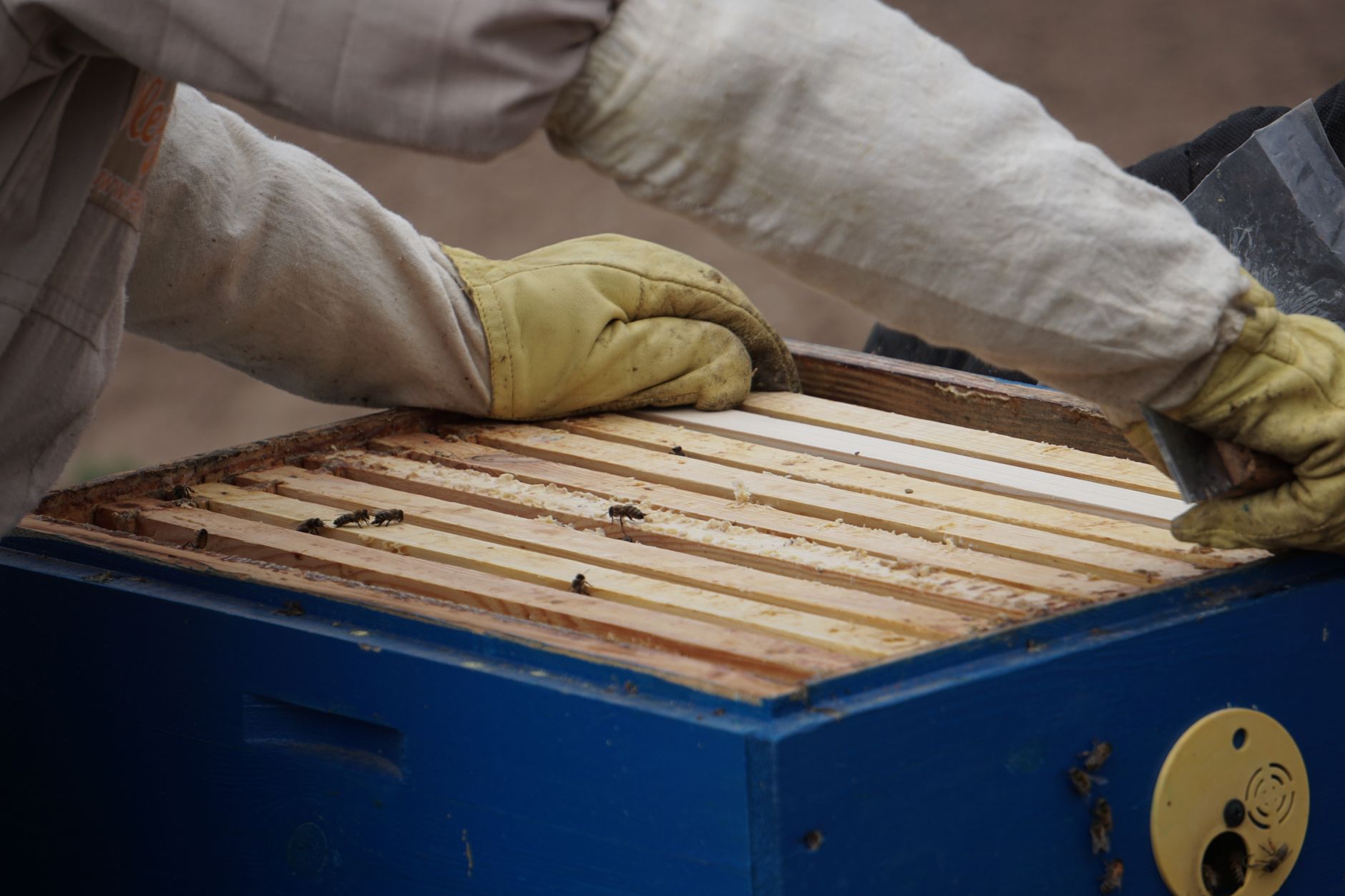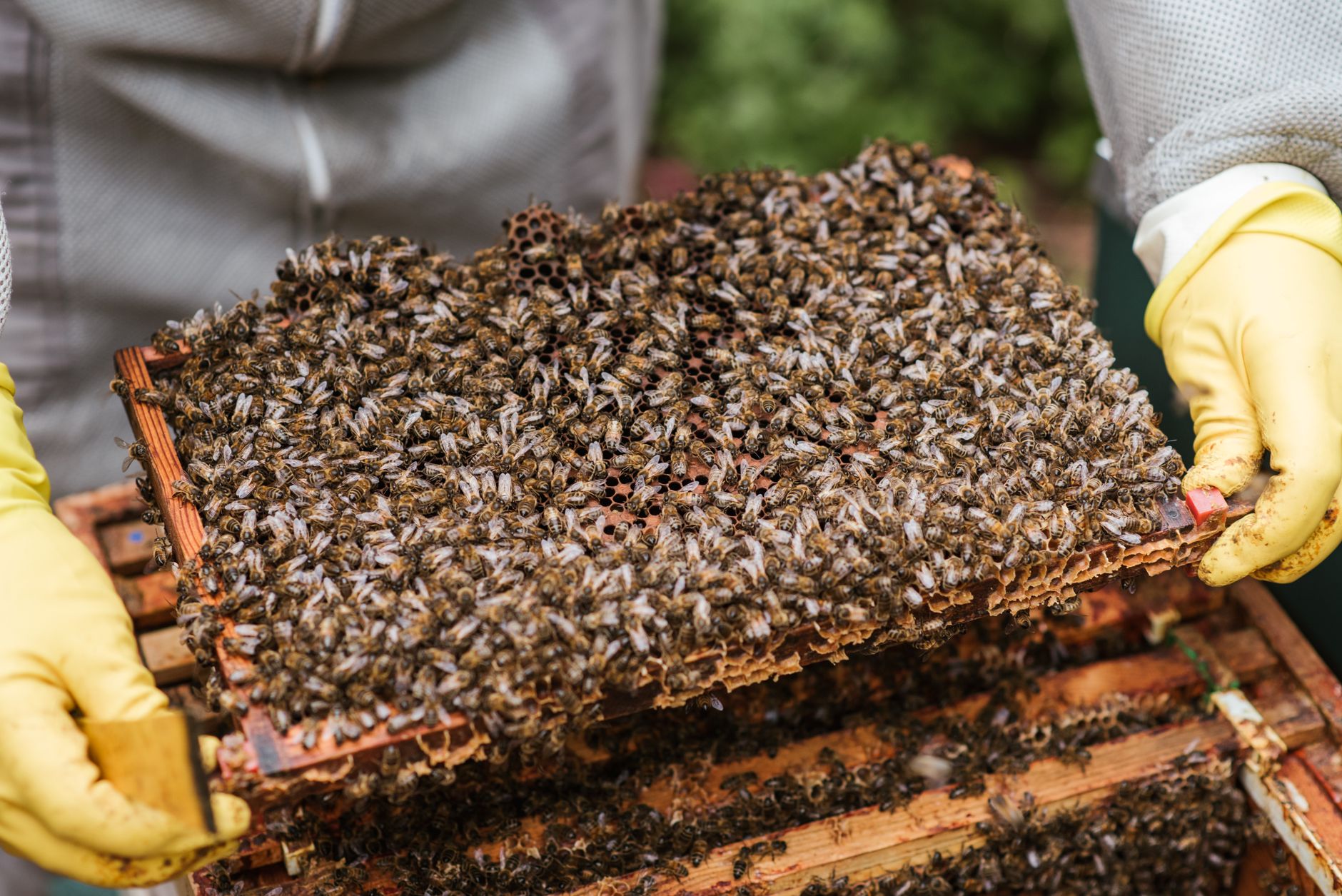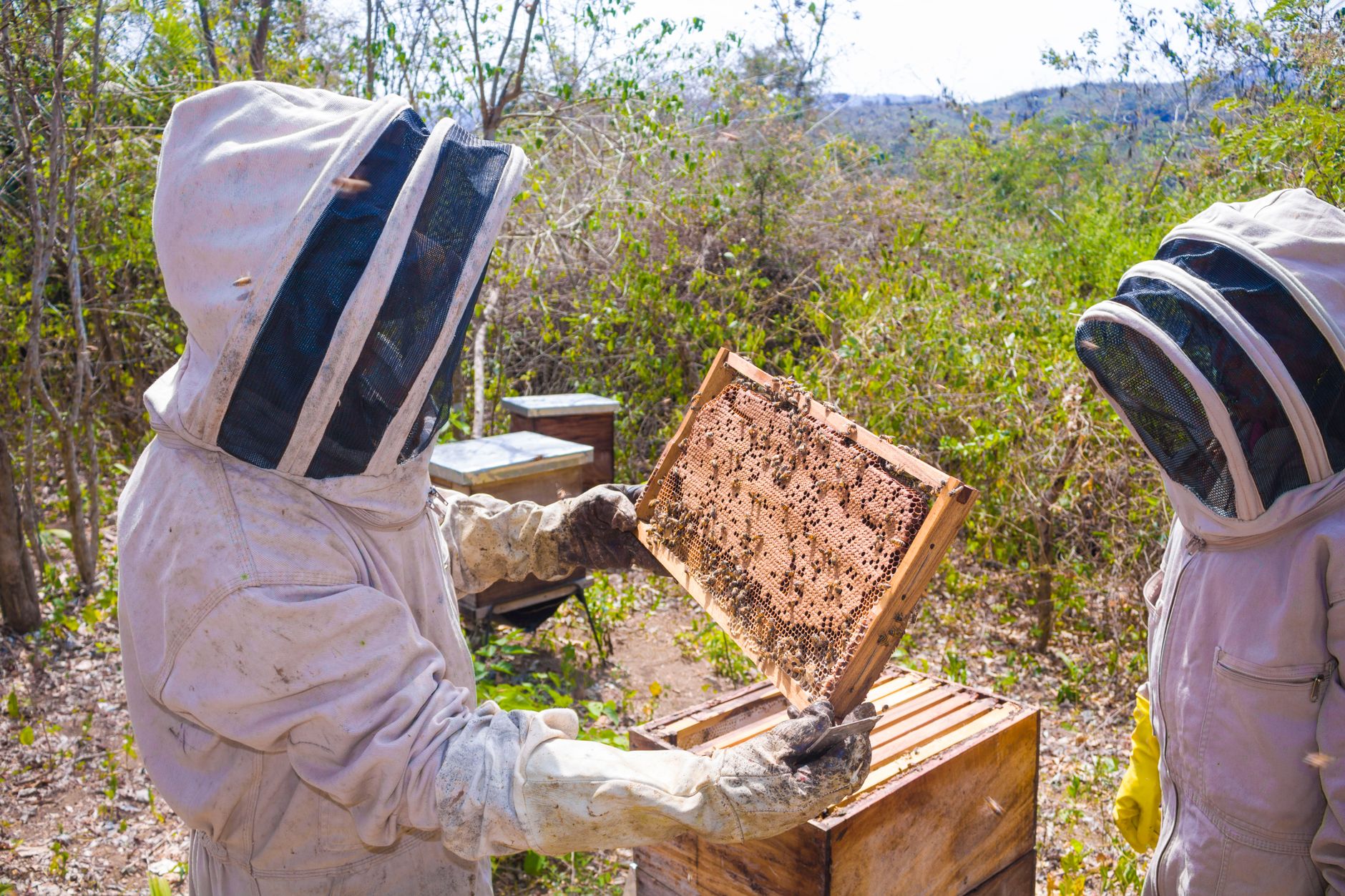
Age matters less than fitness, supervision, and follow-through. A seven-year-old can mark a queen while an adult holds the frame. A seventy-year-old can run a horizontal hive without ever lifting a deep box. I have watched both succeed in the same community apiary. The real question is not how old you are. It is who will lift the 60-to-80-pound boxes and who will check for varroa mites every month. Before buying bees, read the complete beginners guide to starting your first honey beehive so you know the weekly rhythm.
The best age to start is the age when you can commit to weekly inspections from March through October. Kids should not inspect alone. Teens can inspect with a mentor nearby. Adults can work solo after a season or two. Seniors often prefer a horizontal hive or all-medium Langstroth boxes to protect their knees and back. The Honey Bee Health Coalition calls varroa mites the top colony health threat. Without treatment, varroa can collapse a colony in one to two years.
Your age also changes gear choices. A child needs a kid-sized suit, not a rolled-up adult jacket. A senior needs a long hive tool and a high hive stand. Start with one of the best beehive starter kits 2026 and add age-specific tools later. USDA surveys often report annual colony losses above 40 percent. That means even careful beginners lose hives. A healthy hive can produce 30 to 60 pounds of surplus honey, but only if you manage varroa and swarm impulses.
I have taught beekeeping at county fairs and backyard workshops. The students who succeed are not a specific age. They are the ones who keep notes, test for mites, and ask for help. This comparison breaks down five age groups with honest pros and cons. Use it to choose a starting point. Then find a local mentor and stick with a schedule. Beekeeping rewards patience more than strength.
How Do the Top Options Compare?
| Age Group | Best For | Supervision | Key Gear | Main Challenge |
|---|---|---|---|---|
| Kids (Under 12) | Observation and simple tasks | Adult partner always | Kid-sized suit, nitrile gloves | Box weight and sting fear |
| Teens (13-17) | Learning full inspections | Mentor nearby | Standard suit, hive tool, notebook | School schedule conflicts |
| Young Adults (18-35) | Expanding to multiple hives | Solo after mentoring | Starter kit, smoker, extractor later | Budget and moving rentals |
| Middle Age (36-55) | Scaling and queen rearing | Solo | Full gear, hive carrier | Shoulder and back strain |
| Seniors (56+) | Gentle horizontal hive keeping | Solo or light help | Lightweight boxes, long hive tool | Lifting and heat fatigue |
Weight estimates are for a full Langstroth deep box. Medium boxes weigh less and are easier on backs. Check local rules before keeping bees at a school or community garden.
1. Kids (Under 12) , Observation and simple tasks

Kids under 12 can keep bees if an adult handles the heavy work. A child-friendly setup means a lightweight nuc with a viewing window, a calm colony, and short visits. I have watched eight-year-olds spot eggs with a magnifier while an adult holds the frame. The goal is comfort, not full management.
Buy a kid-sized beekeeping suit before anything else. A Check the kid beekeeping suit on Amazon works better than rolling up an adult suit. Use nitrile gloves and a small smoker. The American Beekeeping Federation recommends a one-to-one adult mentor for every child during hive work.
Limit sessions to 20 minutes. Let the child mark a queen or pour sugar syrup. If a child gets stung and wants to leave, leave. You can come back tomorrow. Forcing a scared kid back into the apiary creates fear that lasts years.
Key strengths:
- ✅ Adult controls all heavy lifting
- ✅ Kids learn observation skills early
- ✅ Small hands can spot eggs in cells
- ✅ Short sessions match short attention spans
- ❌ A full deep box is too heavy for kids
- ❌ Sting fear can delay beekeeping for years
- ❌ School schedules limit weekday inspection time
Who it’s for: Families with a patient adult who wants to share beekeeping from a young age.
2. Teens (13-17) , Learning full inspections
Teens have the coordination to lift medium boxes and the patience to sit through a 30-minute inspection. Many 4-H and FFA programs offer structured beekeeping projects at this age. A teenager can learn queen checks, varroa testing, and brood pattern reading. Let them do the work while you watch from a chair.
Do not hand a teenager a full deep box without training. A full deep can weigh 70 pounds and stick together with propolis. Start with medium boxes or a horizontal hive. A local beekeeping club mentor can make the first season safer. The real threat to teen beekeeping is time. School, sports, and weekend jobs compete with Saturday inspections.
Teens can run an alcohol wash or sugar roll for varroa. Monthly mite counts are the only way to know if a treatment worked. A colony can die from varroa in one to two years without control. That is faster than most young keepers expect.
Key strengths:
- ✅ Strong enough for medium boxes after training
- ✅ Can follow written inspection records
- ✅ 4-H and FFA provide mentorship
- ✅ Attention span fits full inspections
- ❌ School and sports eat spring weekends
- ❌ Overconfidence leads to missed queen checks
- ❌ Still needs adult for heavy deep boxes
Who it’s for: Motivated teens with a flexible weekend schedule and an adult mentor on call.
3. Young Adults (18-35) , Expanding to multiple hives
Young adults often start beekeeping after moving to a house with a yard. They have the energy for two or three hives and the budget for a starter kit. This age group handles full Langstroth deep boxes without much trouble. But frequent apartment moves can ruin an apiary plan.
Before buying bees, check how much does beekeeping cost so you know the real price of a suit, smoker, tools, and woodenware. A single hive can produce 30 to 60 pounds of surplus honey. That offsets some cost but not your time. Plan to stay in one place for at least three years.
Young adults often skip varroa monitoring. Read the varroa mite treatment guide and treat on a calendar, not when you see mites. Without treatment, varroa can kill a colony in one to two years. That is the main reason young keepers quit after two seasons.
Key strengths:
- ✅ Can lift and carry heavy boxes
- ✅ Easy access to beekeeping clubs and online courses
- ✅ Room to expand from one hive to three
- ✅ Can budget for an extractor after first harvest
- ❌ Frequent moves disrupt apiary sites
- ❌ Startup costs include suit, smoker, tools, and bees
- ❌ Long work hours conflict with inspections
Who it’s for: Renters and new homeowners who plan to stay put for at least three years.
4. Middle Age (36-55) , Scaling and queen rearing
Middle-aged keepers often have the space, money, and patience to run five or ten hives. They keep bees for honey, pollination, or sideline sales. This age group also has more shoulder and back injuries. Lift with your legs and switch to medium boxes early. A full deep is not a badge of honor.
Middle age is the right time to try queen rearing and splits. You already know how to spot eggs and manage swarm impulses. Use splits to increase hive numbers or sell nucs. A healthy hive can produce 30 to 60 pounds of honey, so two or three hives can fill a small extractor.
Do not skip gloves. The best beekeeping gloves 2026 page lists options that protect your hands while keeping finger dexterity. Annual varroa testing matters at this scale. USDA surveys often put annual colony losses above 40 percent, even for experienced keepers. Set a reminder for monthly mite counts.
Key strengths:
- ✅ Enough experience to split and sell nucs
- ✅ Can invest in extractors and tools
- ✅ Often has dedicated yard or farm site
- ✅ Physically capable with medium boxes
- ❌ Back and shoulder strain from lifting
- ❌ Time divided between family and hives
- ❌ Scaling too fast leads to neglect
Who it’s for: Experienced keepers ready to expand and recover from winter losses without burnout.
5. Seniors (56+) , Gentle horizontal hive keeping
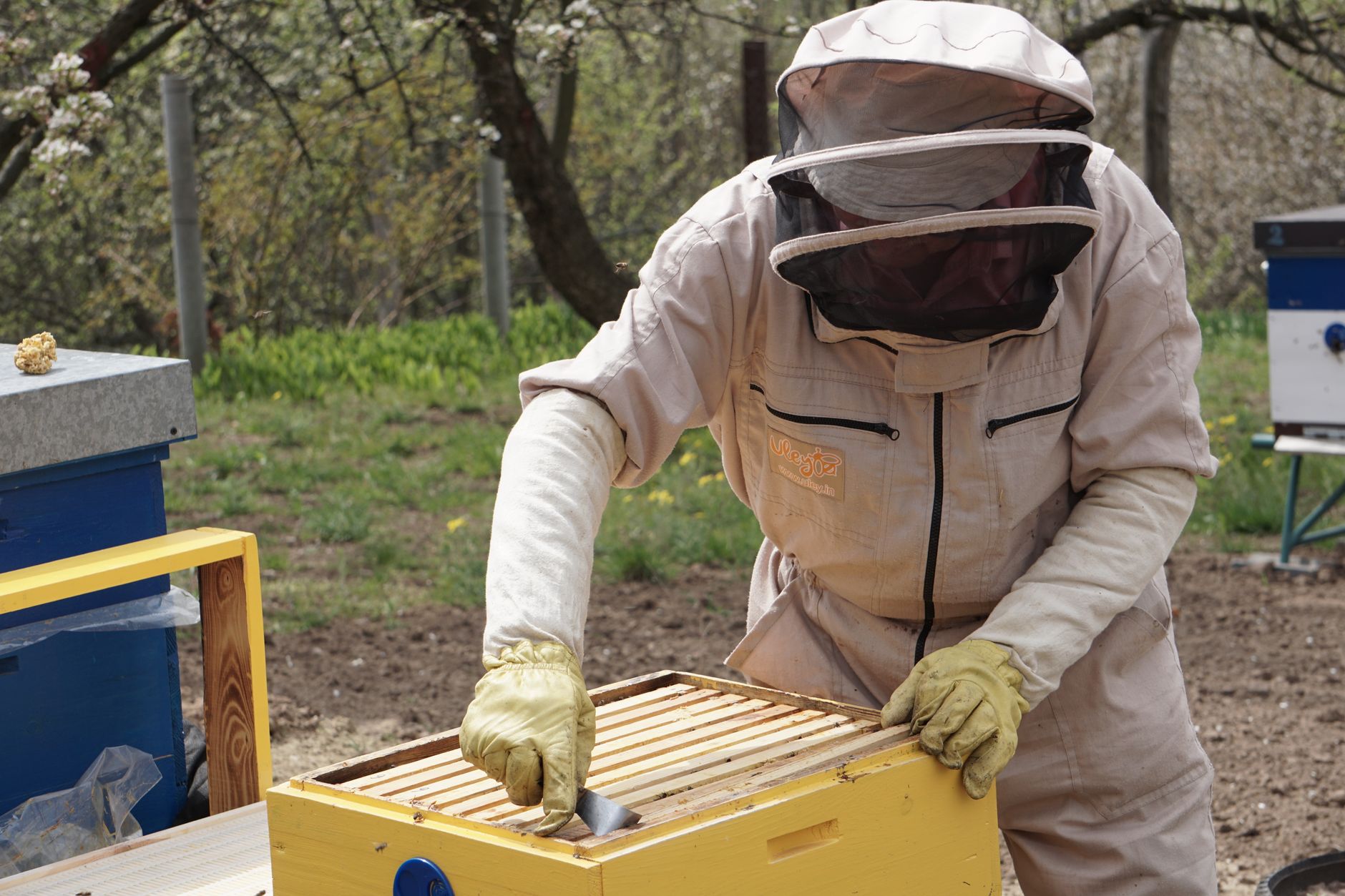
Beekeeping after 56 is about making the hive work for your body, not the other way around. Horizontal top-bar hives and Layens hives keep frames at waist height. You slide out one frame at a time instead of prying apart 60-pound boxes. Many older keepers still run Langstroth hives with all medium boxes.
Use a long-handled frame holder or a frame rest on a bucket. Wear a ventilated suit because heat stress is real. The best beekeeping suits 2026 guide covers lightweight mesh options. A Check the long beekeeping hive tool on Amazon saves bending. Some older beekeepers raise the hive entrance to 30 inches with a stand.
Supervision is not required, but a hive buddy helps with heavy feed buckets. Seniors bring decades of gardening and woodworking experience. That skillset shines in pest management and requeening. The USDA Agricultural Research Service tracks colony health and annual losses. Expect to replace bees periodically because annual losses often top 40 percent.
Key strengths:
- ✅ More time to observe and inspect
- ✅ Can choose low-maintenance horizontal hives
- ✅ Experience with gardens and tools
- ✅ Lightweight medium boxes reduce strain
- ❌ Heat and bending fatigue
- ❌ Heavy feed buckets and syrup jugs
- ❌ Fewer local mentors for older beginners
Who it’s for: Retirees or near-retirees who want bees without heavy lifting.
Frequently Asked Questions
What is the minimum age to start beekeeping?
Most children can start around age 6 or 7 with close adult supervision. The child should never lift heavy boxes or work bees alone. A kid-sized suit and calm colony make the first year positive.
Is beekeeping safe for seniors?
Yes. Seniors can reduce lifting by using horizontal hives, medium boxes, and hive stands at waist height. A hive buddy helps with feed buckets and heavy supers. Heat stress matters more than age.
Do teens need a mentor to keep bees?
Yes. A mentor helps teens learn queen checks, varroa testing, and calm frame handling. Many 4-H and FFA programs provide structured mentorship. After a full season, many teens can inspect while a mentor is on call.
How much honey does one hive produce?
A healthy hive can produce 30 to 60 pounds of surplus honey per season. Weather, forage, and varroa control change that number. New hives usually produce less in year one.
What is the biggest mistake new beekeepers make at any age?
Skipping varroa monitoring and treatment. Varroa mites can kill a colony in one to two years. Test monthly with an alcohol wash or sugar roll and treat on a calendar.
Should I start with a horizontal hive if I am over 60?
Often yes. Horizontal hives let you lift one frame at a time at waist height. They reduce back strain compared with deep Langstroth boxes. Some older keepers still prefer all-medium Langstroth hives.
What Should You Remember?
- Start early but supervise closely: Kids under 12 need an adult to lift boxes and manage stings.
- Teen years work well: Teens can learn full inspections if school schedules allow regular checks.
- Adults carry the physical load: Young and middle-aged adults can handle deep boxes and multiple hives.
- Seniors should choose light gear: Horizontal hives and medium boxes reduce back strain.
- Varroa treatment is non-negotiable: Mite control protects any age group from colony loss.
- Budget for age-appropriate gear: Kid suits, long hive tools, and ventilated suits matter more than age.
- A mentor beats age: Local beekeeping clubs help every new keeper avoid costly mistakes.
This article is for general information only and is not veterinary or legal advice. Beekeeping is regulated in most regions and involves live animals with their own health needs , always follow local regulations and best practices, and consult a qualified apiarist, extension service, or veterinarian for bee-health or disease concerns.