A beekeeping class is the cheapest insurance you can buy before assembling your first hive. USDA survey data shows managed honey bee colony losses in the United States have hovered around 48 percent in recent years. That number is not just a beginner problem. Even experienced keepers lose hives to varroa mites, failing queens, and winter stress. A structured class teaches you how to spot these problems before they kill a colony. The USDA Agricultural Research Service and state extension programs both point to education as a major factor in overwintering success. For a full setup guide, see our complete beginner’s guide to starting your first honey beehive.
Average honey yield per colony sits near 54.5 pounds in good US production years. That yield depends on local forage, weather, and pest pressure. A regional class tells you when to start, what blooms to expect, and how to manage summer dearth. This comparison looks at five class formats. Local association courses, university extension online classes, hands-on apiary workshops, commercial online courses, and master beekeeper certification programs all have distinct strengths. We judged each one on cost, time commitment, hands-on exposure, and regional fit for new keepers. If you have zero experience, the right class can save you from the most expensive beginner errors.
We did not just read syllabi. We looked at how beginners actually learn. The beekeeping mistakes beginners make are usually practical: missing a queen, overfeeding, or not treating varroa on time. The best classes put you next to a hive or a mentor. Without that, you are just watching videos. We also factored in what you spend after tuition. You still need a suit, hive tool, smoker, and either a starter kit or individual components. A class that ignores these costs leaves you unprepared for the real first year. We focused on formats that fit backyard beekeepers, not commercial operations.
Varroa mites remain the biggest named pest in American beekeeping. The varroa mite treatment guide explains thresholds and treatment windows. Your class should cover mite monitoring in the first month, not as an afterthought. Local laws matter too. Cities and counties have different rules for hives, setbacks, water, and registration. A local class covers those specifics. An online course from another state may not. Use this comparison to match your learning style to the right starting point, then buy gear and bees with confidence. The wrong class wastes money. The right class saves colonies.
How Do the Top Options Compare?
| Class Format | Best For | Typical Cost | Time Commitment | Hands-On Level |
|---|---|---|---|---|
| Local Association Short Course | Budget beginners wanting mentors | $50-$150 | 6-12 hours over 2-4 weeks | High if field day included |
| University Extension Online Course | Science-minded beginners | $100-$300 | Self-paced, 8-20 hours | None to low |
| Hands-On Apiary Workshop | People who learn by doing | $75-$250 per day | Half day to full day | Very high |
| Commercial Online Beekeeping Course | Flexible video learners | $150-$400 | 10-30 hours, lifetime access | None |
| Master Beekeeper Certification Program | Serious keepers pursuing credentials | $200-$600 plus fees | 2-4 years, ongoing | Medium to high |
Tuition costs are estimates and exclude protective gear, hive equipment, bees, and travel. Some classes require association membership. Check regional extension listings for current dates and fees.
1. Local Association Short Course , Best for budget beginners who want mentors
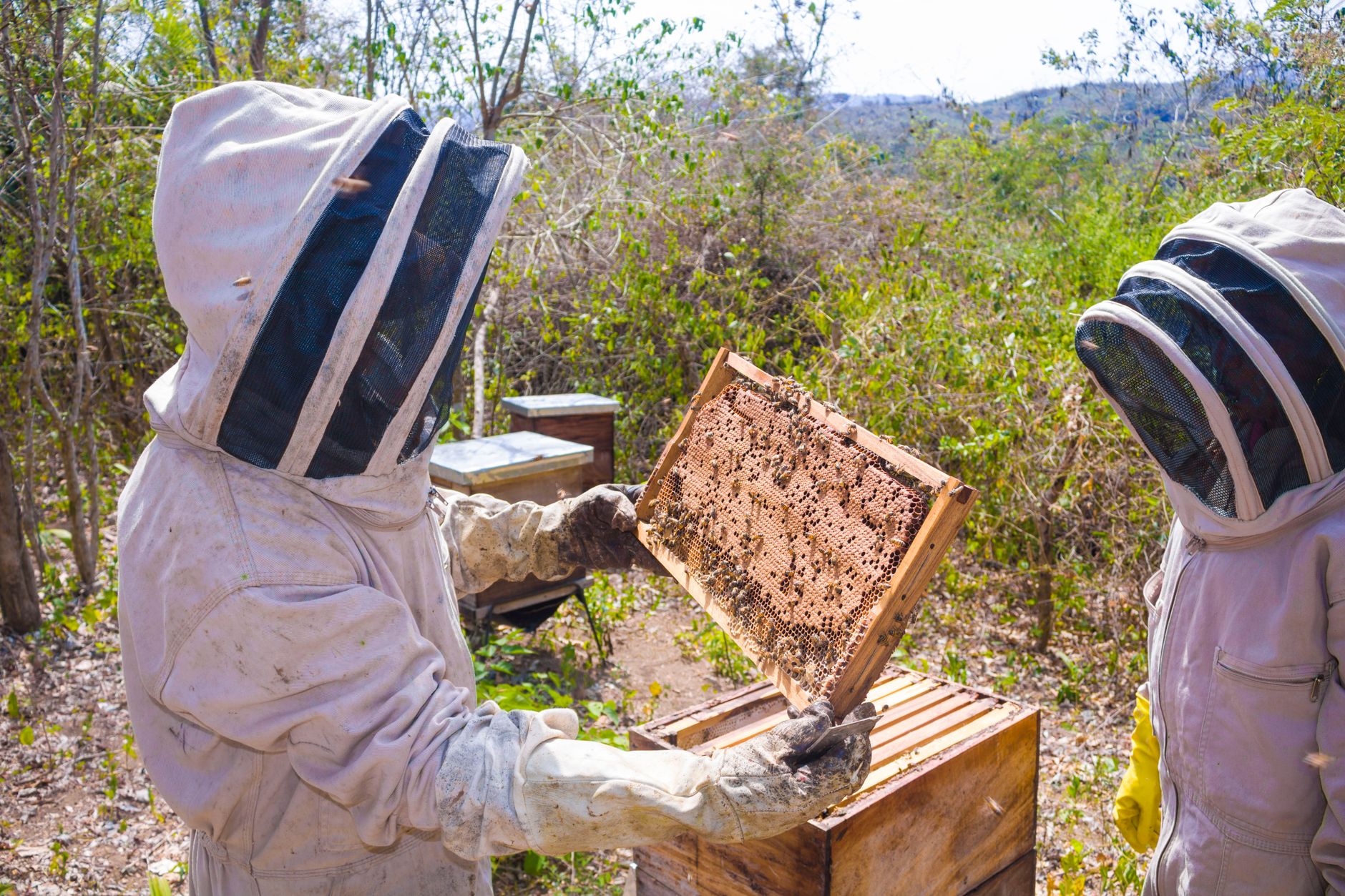
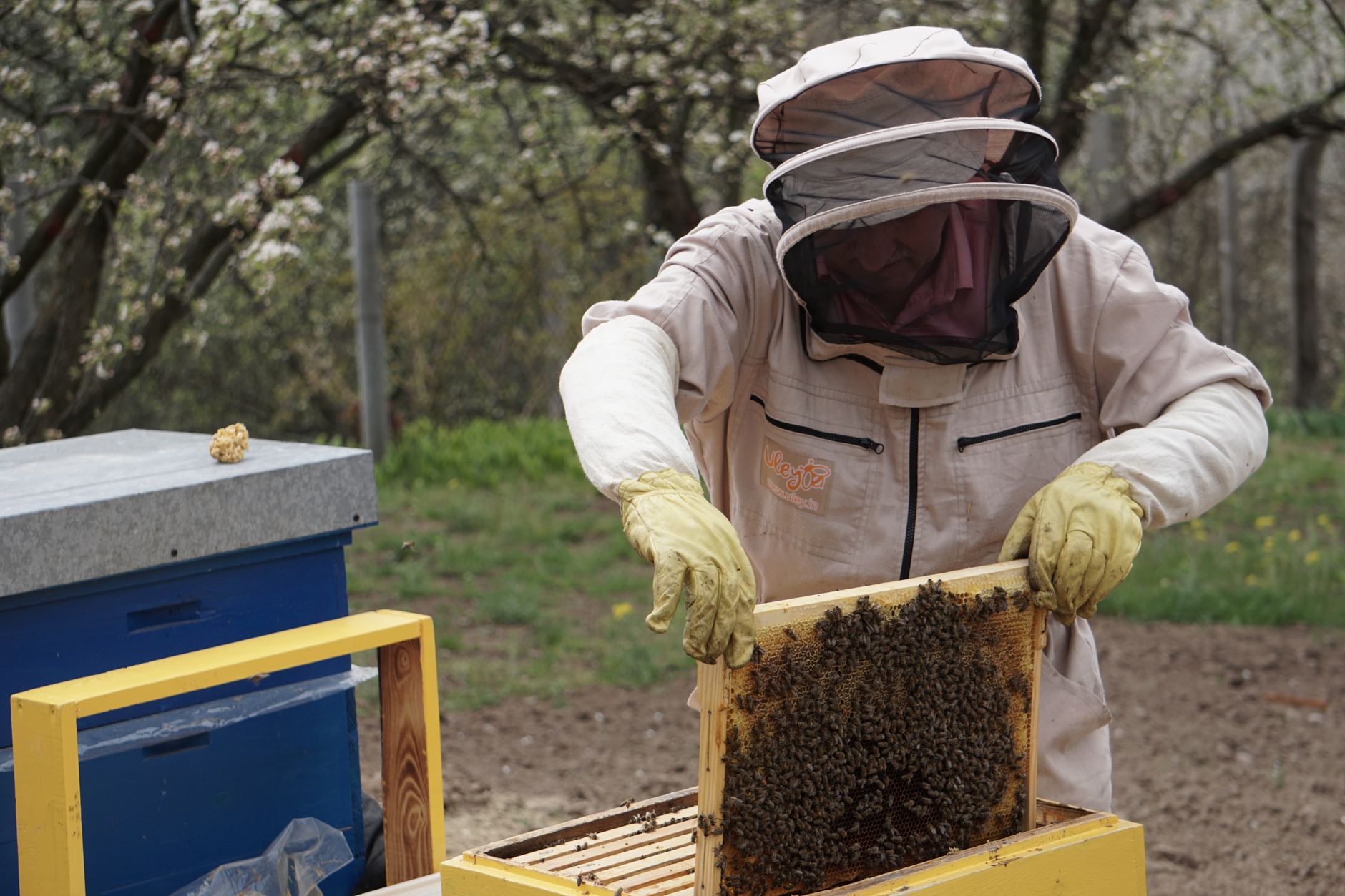
Local associations run the most practical beginner classes in the country. For $50 to $150 you get 6 to 12 hours of instruction, often across three evenings and one Saturday field day. Instructors are club members who keep bees within 30 miles of you. That local detail matters more than most beginners realize. Bloom calendars, winter prep, and summer dearth vary by zip code. A beekeeper 200 miles away may give you advice that fails in your climate. The field day is the real value. You open a hive with someone who has done it hundreds of times. You see drone brood, worker bees, and maybe the queen. You learn how to do a hive inspection the right way. Start slow, check food, check brood pattern, look for mites. That hands-on session prevents the panic that hits when you inspect alone for the first time. A good field day also shows you how to light a smoker and hold a frame without rolling bees. The downside is simple. Courses fill early, usually in January or February. Some clubs require membership, adding $20 to $40. You may have to wait a full season if you miss enrollment. Budget for gear separately. Check the beekeeping starter kit on Amazon with a hive, frames, and basic tools. But do not buy it before the first session. Your instructor may prefer a specific hive type for your region.
Key strengths:
- ✅ Low tuition compared with online commercial courses
- ✅ Local mentors know your bloom calendar and pests
- ✅ Includes live hive opening under supervision
- ✅ Often connects you with a local bee club for future help
- ❌ Limited seats and fixed dates
- ❌ Usually covers general topics, not deep varroa biology
- ❌ Field day may be weather dependent
Who it’s for: Total beginners who want guided hands-on experience and a local support network before buying bees.
2. University Extension Online Course , Best for science-minded beginners who want regional accuracy
Extension programs from universities like Penn State, UC Davis, and the University of Montana offer online beekeeping courses built on research. Tuition runs $100 to $300. Many are self-paced with 8 to 20 hours of video, quizzes, and downloadable checklists. The content is usually more current than generic online classes because extension specialists deal with local beekeepers every year. They also revise modules based on regional disease outbreaks and seasonal reports. You learn bee biology, pest management, and seasonal management. Varroa mite management gets real attention. The Honey Bee Health Coalition provides the varroa management tools that many of these courses use. You will learn to test for mites with a sugar roll or alcohol wash, then choose a treatment based on local conditions. That is exactly what a beginner needs before bringing bees home. Some courses also include queen marking and colony record keeping. The weakness is obvious. You do not touch a hive. You can watch 20 hours of video and still freeze when thousands of bees surround you. Pair the course with a local field day if you can. Some extension programs offer optional in-person labs for an extra fee. Budget extra for gear after the course. Read product guides and ask local keepers before ordering a hive kit online.
Key strengths:
- ✅ Research-backed curriculum from land-grant universities
- ✅ Covers varroa biology and integrated pest management in depth
- ✅ Self-paced so you can learn before bee season
- ✅ Often includes regional add-ons for specific states
- ❌ No live hive handling
- ❌ Quality varies by institution
- ❌ Less personal mentorship than a local club
Who it’s for: Beginners who prefer structured, academic material and can supplement with a hands-on workshop.
3. Hands-On Apiary Workshop , Best for people who learn by doing
A one-day or weekend apiary workshop is not a full course. It is the fast track to hive comfort. For $75 to $250 per day, you suit up, light a smoker, and open real hives under an experienced beekeeper. Class sizes are usually small, often 5 to 15 people. You may inspect several hives and compare weak and strong colonies side by side. That comparison teaches you more than any single healthy hive ever will. You will learn the physical skills that video cannot teach. How to hold a frame without rolling bees. How much smoke is enough. How to lift a deep super without straining your back. How to read defensive behavior before it becomes a problem. Read the beekeeping tools and accessories guide before you attend, because you need to understand your hive tool, smoker, and frame grip. You will also want good gloves. Check the beekeeping gloves on Amazon if the host does not supply them. Workshops are not a replacement for a full beginner course. You may not get deep bee biology or varroa treatment schedules. Some workshops assume you already know colony basics. That can leave a true newbie lost. Still, no other format fixes the fear and fumbling faster. Many beekeeping classes list workshops as optional field days. Take one early if you can. The confidence gain is worth the cost.
Key strengths:
- ✅ Maximum tactile learning in a short time
- ✅ Small group with direct instructor feedback
- ✅ Often includes multiple hive types and stages
- ✅ Builds confidence before you inspect your own bees alone
- ❌ Not comprehensive for pest or disease management
- ❌ May assume basic knowledge
- ❌ Weather can cancel or shorten outdoor sessions
Who it’s for: Learners who already understand colony basics and want to build hands-on skill fast.
4. Commercial Online Beekeeping Course , Best for flexible learners who prefer video
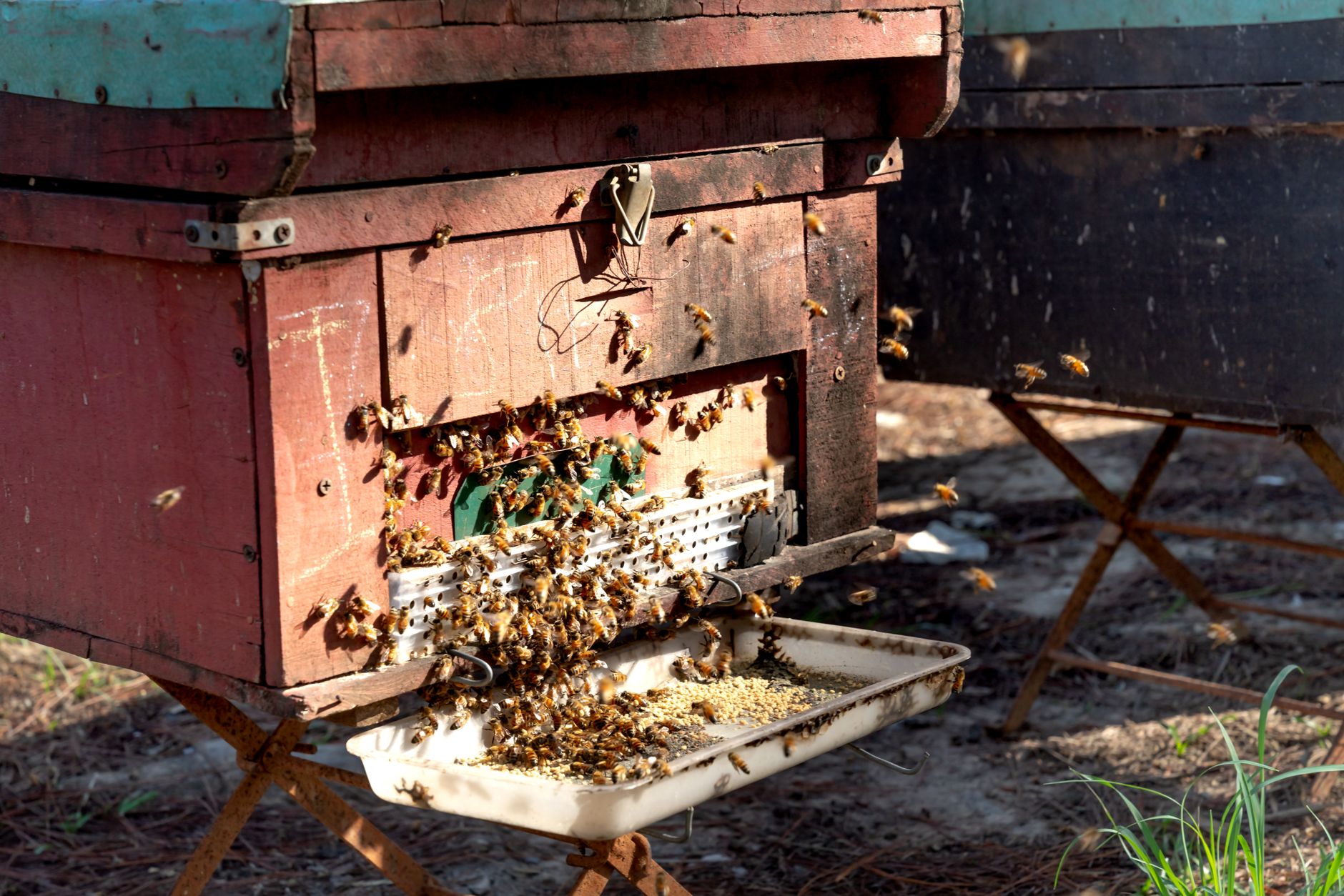
Commercial online courses from beekeeping brands and educators run $150 to $400. They offer polished video libraries, lifetime access, and structured modules. That convenience is hard to beat if you work weekends or live far from a bee club. Some include printable record sheets, seasonal checklists, and community forums. You can rewatch an inspection frame by frame until you understand what you are seeing. Quality varies more here than in extension courses. Some instructors are excellent commercial beekeepers. Others are gifted marketers with little field depth. Read sample lessons before you buy. Check whether the course covers varroa counts, queen health, feeding, and winterizing. Many commercial courses lean toward one hive style. Read langstroth vs flow hive vs top bar before choosing a course tied to a specific system. A course built around flow hives may not teach standard frame inspections well. The big miss is hands-on practice and local nuance. A commercial course made in Georgia may tell you to wrap hives for winter. That advice is dangerous in South Texas. Use it as a theory backbone, then find a local mentor or field day. You still need gear. A hive kit, suit, and smoker will be your next purchase after the first module. Start with the basics before adding gadgets.
Key strengths:
- ✅ Watch anytime with lifetime access
- ✅ Structured progression from setup to harvest
- ✅ Often cheaper than in-person master programs
- ✅ Good for visual learners who rewatch inspections
- ❌ No hive handling or local mentorship
- ❌ Instructor quality varies widely
- ❌ Regional advice may be too generic
Who it’s for: Busy adults who learn well from video and can pair the course with a hands-on session.
5. Master Beekeeper Certification Program , Best for serious keepers pursuing credentials
Master beekeeper programs, often run by state associations or universities, take beekeeping education to a professional level. Entry costs $200 to $600, plus annual membership. The time commitment runs two to four years through apprentice, journeyman, and master levels. You complete public service, pass written tests, and submit hive inspection records. You also attend advanced workshops and present at bee schools. This is overkill for a first-year beginner. The value comes after you have kept bees for a season or two. You learn queen rearing, disease diagnosis, and advanced colony management. The American Beekeeping Federation and state groups list certified programs. These credentials help if you want to teach, sell queens, or run a sideline apiary. Some counties even list certified master beekeepers as local resources for swarm calls. The biggest mistake is starting too early. If you cannot recognize a healthy brood pattern or a queenless hive, the coursework will bury you. Keep bees first. Take your losses. Then consider certification. For most backyard keepers, the local short course and field days are enough. If you still want to go deep, read queen rearing guides and advanced disease texts before applying. The commitment is real, but the knowledge is unmatched.
Key strengths:
- ✅ Formal, recognized credential for sideline keepers
- ✅ Covers advanced topics like queen rearing and disease ID
- ✅ Builds a strong peer network
- ✅ Demonstrates commitment to buyers and students
- ❌ Expensive and multi-year
- ❌ Requires prior beekeeping experience
- ❌ Too much for a backyard hobbyist
Who it’s for: Beekeepers with at least one full season of experience who want credentials or sideline income.
Frequently Asked Questions
How much does a beekeeping class cost?
Most local association classes cost $50 to $150. University extension online courses run $100 to $300. Hands-on workshops are $75 to $250 per day. Commercial online courses range from $150 to $400, and master certification programs can cost $200 to $600 plus annual fees.
Do I need to take a class before getting bees?
No, but it helps. You can start from books and videos, but a class gives you mentor access and hive time. Most beginners who skip education lose their first colony to varroa mites or queen issues. A local class is the cheapest risk reduction you can buy.
How long does a beekeeping class take?
Local short courses usually run 6 to 12 hours over two to four weeks. Online courses range from 8 to 30 hours and are self-paced. Hands-on workshops last half a day to a full day. Master beekeeper programs take two to four years.
Can I keep bees in my backyard after a beekeeping class?
Usually yes, but you must check local ordinances. Your class may cover setbacks, hive limits, water requirements, and neighbor concerns. Some cities require registration. In rural areas, there are often fewer restrictions.
What should I buy before taking a beekeeping class?
Most classes provide protective gear for field days. You do not need a full hive on day one. Buy a hive tool and a notebook first. After the class, purchase a hive starter kit, suit, smoker, and gloves based on your instructor’s local advice.
Is an online beekeeping class enough?
An online class teaches theory and pest management well, but it cannot replace opening a hive. Pair it with a local field day or mentor. Use the online course for biology and varroa training, then get hands-on practice before you install bees.
What Should You Remember?
- Local association classes give new beekeepers mentor access and live hive time for the lowest cost.
- University extension courses teach varroa biology and research-based management better than most generic online classes.
- Hands-on workshops build the physical skills and confidence that video cannot teach.
- Commercial online courses fit busy schedules but vary widely in instructor depth and regional accuracy.
- Master beekeeper programs make sense only after you have kept bees for at least one full season.
- Match the class format to your learning style and supplement any online-only course with a local field day.
This article is for general information only and is not veterinary or legal advice. Beekeeping is regulated in most regions and involves live animals with their own health needs , always follow local regulations and best practices, and consult a qualified apiarist, extension service, or veterinarian for bee-health or disease concerns.