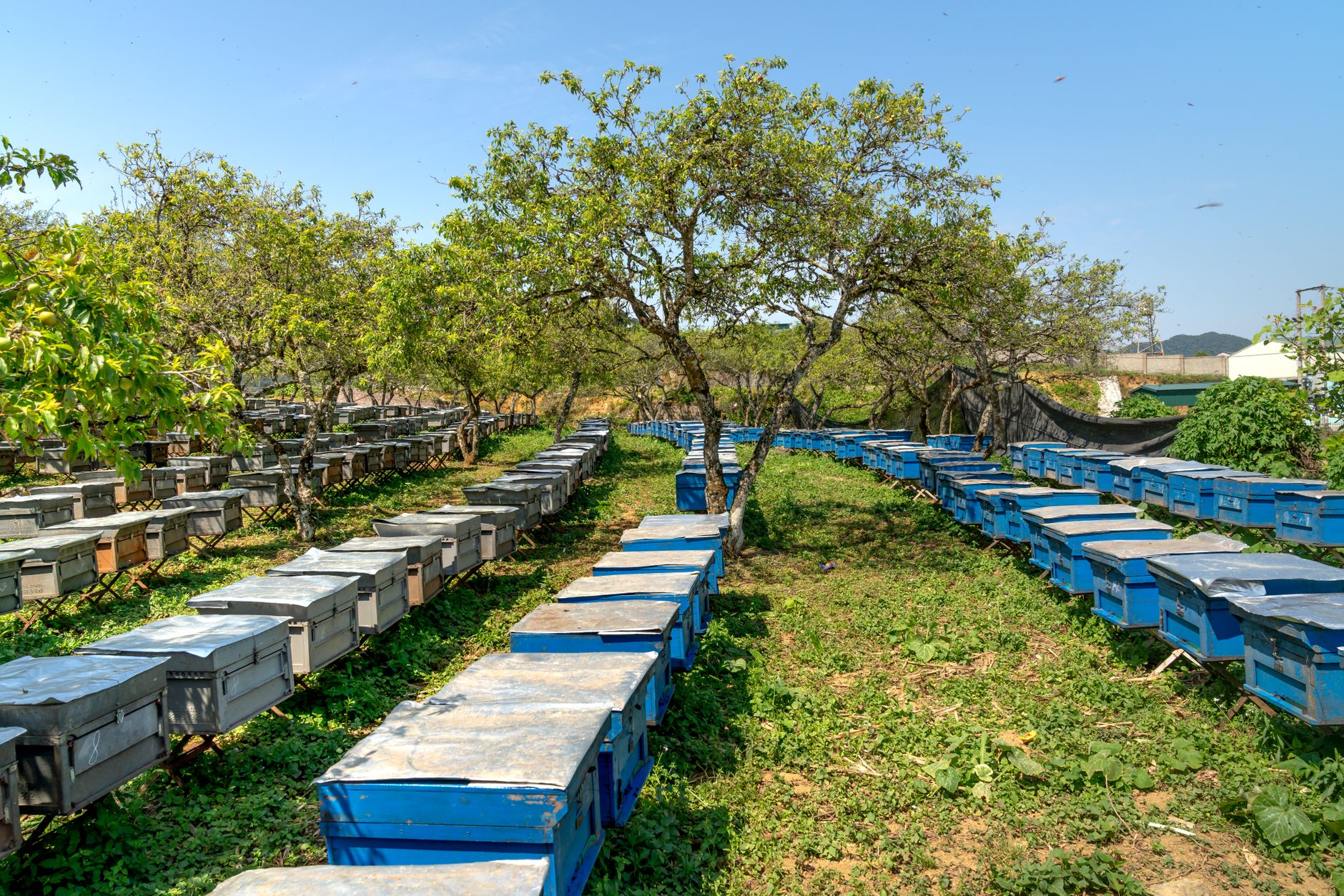
Your hive choice determines how often you lift, inspect, harvest, and treat your bees. Langstroth hives use vertical stacks of rectangular frames. Flow Hives add a special plastic comb that you drain with a key. Top bar hives are horizontal boxes where bees build curving natural comb from wooden slats. Each system has loyal keepers, but they suit different goals and physical abilities. A hive is a long-term livestock commitment, not just a wooden box. If you are still deciding, start with our complete beginner guide to starting your first honey beehive to understand the equipment and seasonal rhythm each system requires before you spend money.
Before comparing prices and yields, understand the baseline. The USDA Agricultural Research Service funds bee research and maintains disease and breeding programs. The Honey Bee Health Coalition publishes best management practices for varroa, foulbrood, and hive nutrition. Their guidance matters because annual U.S. honey bee colony losses have hovered between 40 and 50 percent, with Varroa destructor and the viruses it vectors leading the causes. Any hive style will fail without an integrated pest management plan. This comparison assumes you will monitor mites, feed when needed, and inspect brood regularly. Those tasks do not change because a hive has a tap.
Cost is the next filter. A basic painted Langstroth kit starts around $200 to $400, depending on frame count and local lumber prices. A Flow Hive kit often runs $800 to $1,400 or more. A top bar hive can be built for under $150 or bought for $250 to $500. Before you write the check, look at the full equipment path in our beekeeping cost guide. The hive is not the final expense. You will still need a suit, smoker, hive tool, feeder, mite treatment, and maybe extraction gear. Those costs stack differently for each design. Plan the entire system, not just the first box.
Honey yield separates these hives in practical terms. A strong Langstroth colony can produce 60 to 100 pounds of surplus honey in a good nectar flow. A Flow Hive super usually yields 30 to 60 pounds because the flow frames hold less total honey than a stack of standard supers. A top bar hive often produces 20 to 40 pounds, partly because comb is crushed and the colony spends energy rebuilding wax. See typical yields in our honey production guide. Yield is not the only goal, but it drives how quickly you recover equipment costs and whether you can sell honey. Your local bloom, rainfall, and mite pressure move all of these numbers.
How Do the Top Options Compare?
| Hive Type | Best For | Honey Yield | Extraction Method | Price |
|---|---|---|---|---|
| Langstroth 10-Frame | High honey production and equipment compatibility | 60-100 lb per hive | Centrifugal extractor or crush-and-strain | Check Langstroth 10-frame kit |
| Langstroth 8-Frame | Lighter lifting and smaller footprint | 40-70 lb per hive | Centrifugal extractor or crush-and-strain | Check Langstroth 8-frame kit |
| Flow Hive Classic | Low-labor honey harvesting | 30-60 lb per Flow super | Turn-key Flow frames | Check Flow Hive Classic |
| Flow Hive 2+ | Larger brood nest with Flow convenience | 40-80 lb per hive | Turn-key Flow frames | Check Flow Hive 2+ on Amazon |
| Top Bar Hive | Natural comb and low startup cost | 20-40 lb per hive | Crush-and-strain comb honey | Check top bar hive |
Price cells are affiliate links to representative starter kits; yields assume healthy overwintered colonies and regional nectar flow. Actual honey yield varies with weather, forage, and Varroa control.
1. Langstroth 10-Frame Hive , Best for high honey yield and equipment compatibility
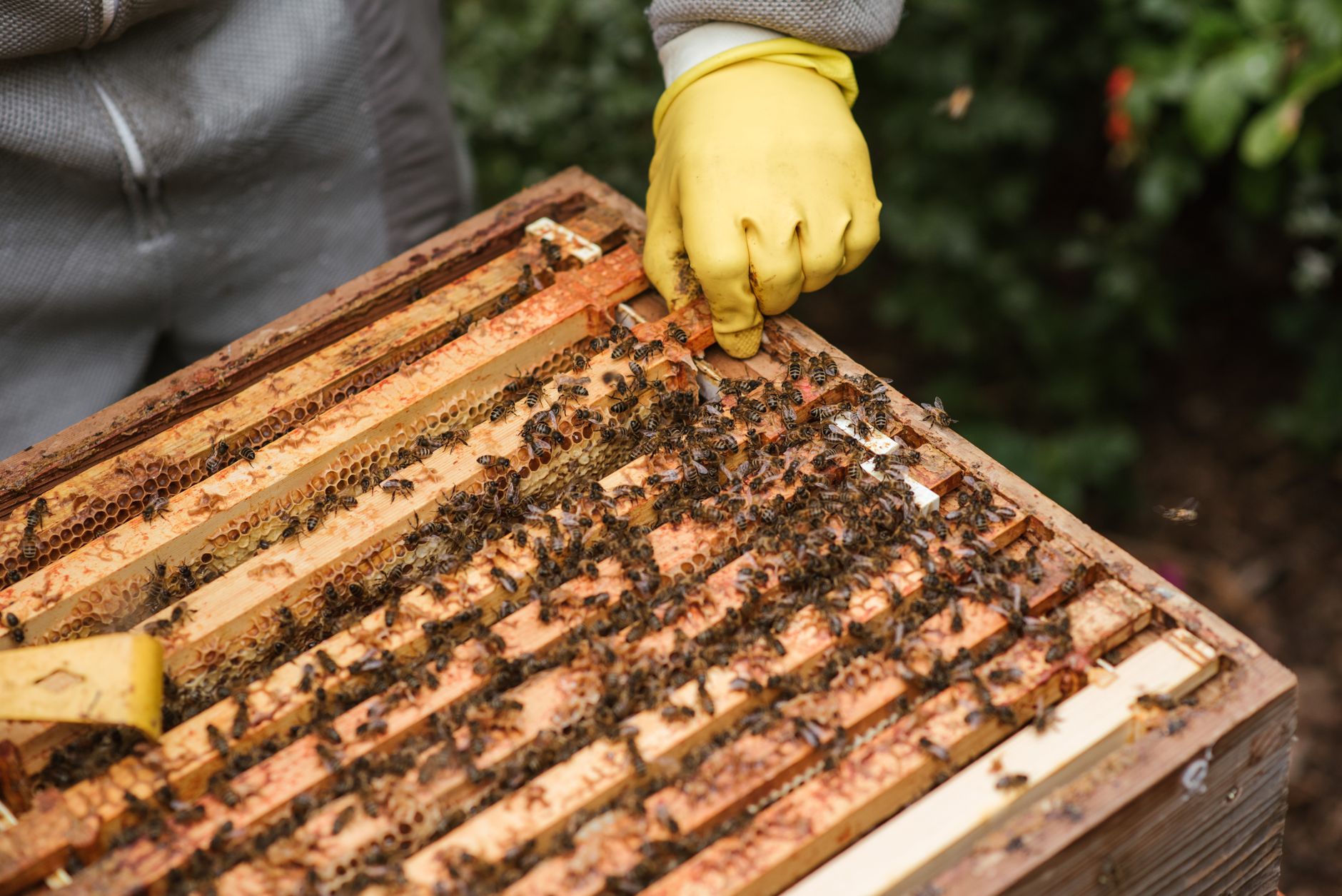
The Langstroth 10-frame hive is the default in commercial apiaries and most beginner courses. It uses removable wooden frames inside stackable boxes. You add deep boxes for brood and medium or shallow supers for honey. The vertical design is efficient to inspect because frames slide out without cutting natural comb. That ease matters when you sample Varroa mites or treat for American foulbrood. Use the varroa treatment guide to build a monitoring schedule from day one. Well-managed 10-frame colonies in mixed forage often yield 60 to 100 pounds of surplus honey per season.
Downsides are real. A full 10-frame deep can weigh 80 to 90 pounds, and a full medium can weigh 50 to 60 pounds. That lifting is hard on your back. You also need an extractor for efficient liquid honey, although crush-and-strain works for small harvests. Because this remains the most supported hive style, you can find nucs, queens, frames, and replacement parts everywhere. The equipment compatibility alone saves money and reduces lost seasons when something breaks in July.
Key strengths:
- ✅ High brood and honey capacity with deep, medium, and shallow box flexibility
- ✅ Standardized frame dimensions across most U.S. suppliers
- ✅ Straightforward inspections, splits, requeening, and mite sampling
- ✅ Large used equipment market keeps expansion affordable
- ❌ Heavy boxes commonly exceed 80 pounds when full
- ❌ Liquid honey harvest usually requires an extractor or significant crush-and-strain time
- ❌ More box handling can disturb colonies if inspections are excessive
Who it’s for: Beekeepers who want maximum surplus honey and can manage heavy lifting or use medium-depth boxes.
2. Langstroth 8-Frame Hive , Best for lighter boxes and backyard or urban apiaries
The 8-frame Langstroth is the same vertical standard scaled down to narrower boxes. It holds eight frames instead of ten, so a full medium weighs around 40 to 50 pounds instead of 60. That weight cut is meaningful for small-statured beekeepers, older keepers, and anyone with back injuries. The frames are the same length, so you can still use many standard feeders, queen excluders, and covers. A strong 8-frame colony in a good season can produce 40 to 70 pounds of surplus honey.
The tradeoff is swarm management and extra boxes. Because each box holds less brood, a fast colony fills it sooner. You may need to stack three or four boxes at peak spring flow, which reduces the weight advantage unless you plan ahead. Some local suppliers stock fewer 8-frame components than 10-frame parts. Still, for backyard and urban apiaries, the lighter boxes and smaller footprint are often worth it. Plan to check queen cells regularly during spring buildup.
Key strengths:
- ✅ Lighter supers reduce back and shoulder strain
- ✅ Same standard Langstroth frames and management methods
- ✅ Fits tight urban lots and backyard apiaries
- ✅ Easier to move or rearrange than 10-frame equipment
- ❌ Narrower boxes fill faster and require more frequent swarm checks
- ❌ Fewer local suppliers stock 8-frame parts than 10-frame
- ❌ Slightly lower honey storage per box can mean more stacking
Who it’s for: Backyard and urban keepers who want standard equipment without heavy lifting.
3. Flow Hive Classic , Best for low-labor honey harvest without opening frames
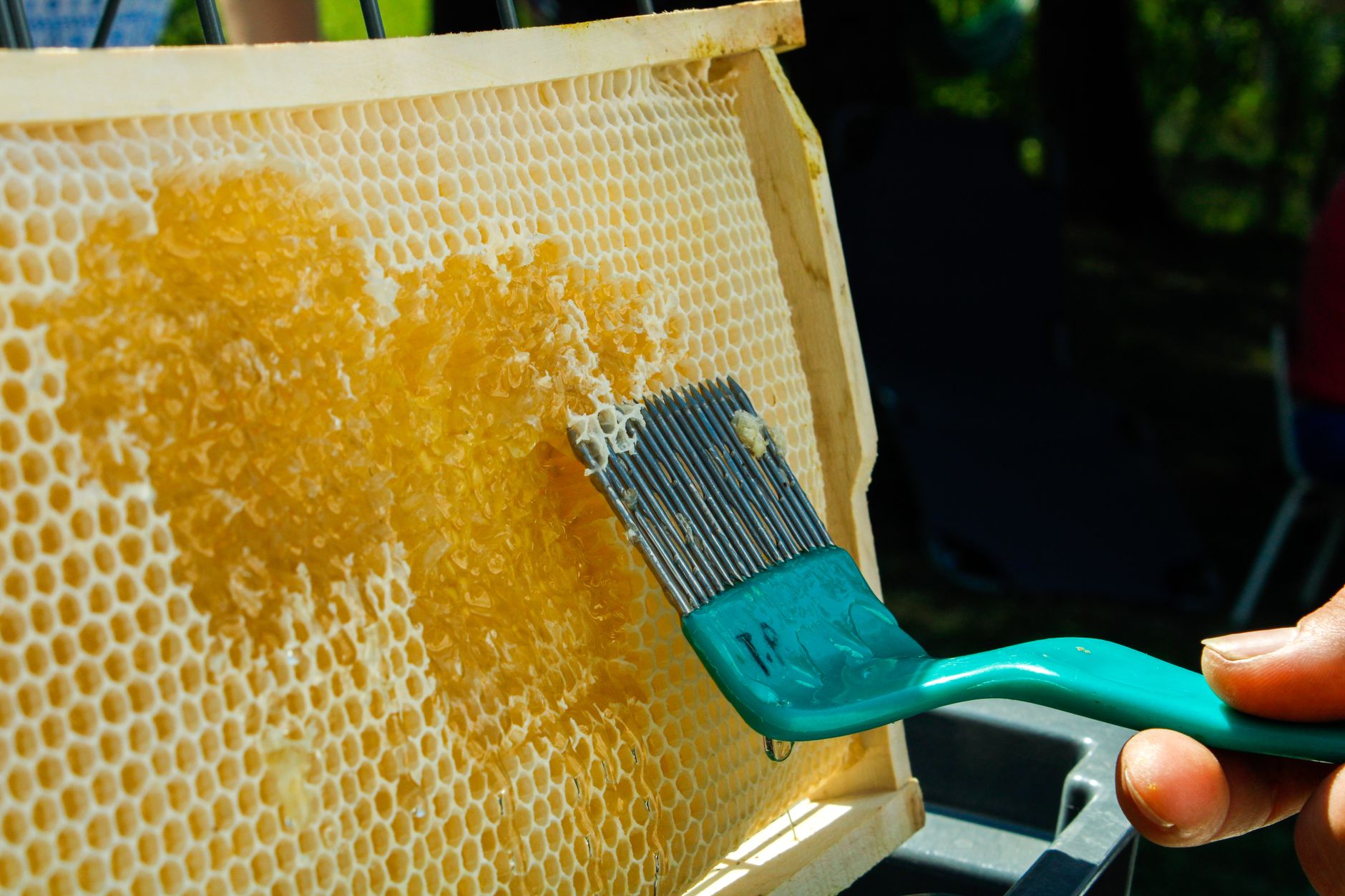
The Flow Hive Classic pairs a traditional Langstroth brood box with a Flow super containing plastic frames that split into channels. You insert a metal key and turn to drain honey directly into a jar. That eliminates uncapping, dripping frames, and most extractor work. For small-scale harvests, the labor savings are significant. If you want the full extraction picture, compare it with our honey extraction equipment guide. In a strong flow, the Flow super can yield 30 to 60 pounds, but total production depends on how many standard supers you also run.
Do not confuse harvest ease with beekeeping ease. Flow Hives still require weekly or biweekly brood inspections, varroa monitoring, feeding, and swarm prevention. The plastic frames can work well for years, but they are more fragile than wood, and cracks or leaks require replacing a full frame. The initial cost is also far higher than a standard Langstroth kit. For most beginners, a standard Langstroth plus a rented extractor is cheaper. The Flow Hive shines for experienced keepers or people with limited space for harvest equipment.
Key strengths:
- ✅ Harvest honey without uncapping, extraction, or a dedicated extraction room
- ✅ Clear observation window reduces hive opening for quick checks
- ✅ Fits standard Langstroth brood boxes and accessories
- ✅ Less heavy lifting because you drain frames in place
- ❌ High upfront cost compared with standard Langstroth kits
- ❌ Plastic Flow frames can crack, leak, or harbor granulated honey
- ❌ You still must inspect brood, feed, and treat for Varroa mites
Who it’s for: Keepers who want low-labor harvesting and can pay a premium without skipping bee health tasks.
4. Flow Hive 2+ , Best for larger Flow Hive colonies or more brood space
The Flow Hive 2+ is a configured package that adds more brood capacity to the Flow system. It still uses the same Flow super, but the base includes a larger brood nest and often an additional box or deeper configuration. That supports a stronger colony before the Flow super goes on. In a productive season, expect 40 to 80 pounds once the flow frames and any standard supers are combined. The extra brood space also gives the queen more room, which can reduce early swarm pressure.
Still, this is the most expensive route here. A Flow Hive 2+ kit often costs over $1,200, and you will still buy protective gear, mite treatment, feeders, and spares. Once the colony fills the second brood box, the unit becomes heavy and awkward to lift. Think of the Flow Hive 2+ as a premium Langstroth configuration with a convenient harvest tap, not a separate species of beekeeping.
Key strengths:
- ✅ More brood room supports stronger colonies and better overwintering
- ✅ Includes same turn-key harvest system as Classic
- ✅ Standard Langstroth dimensions allow adding more boxes if needed
- ✅ Reduces swarm pressure compared with a single brood box Flow Hive
- ❌ Highest purchase price of the three main designs
- ❌ Heavy when multiple brood boxes and honey frames are full
- ❌ Strong colonies can outgrow the included Flow super during heavy nectar flows
Who it’s for: Buyers who want a Flow Hive with a stronger brood nest and can afford the premium configuration.
5. Top Bar Hive , Best for natural comb, low startup cost, and low-intervention beekeeping
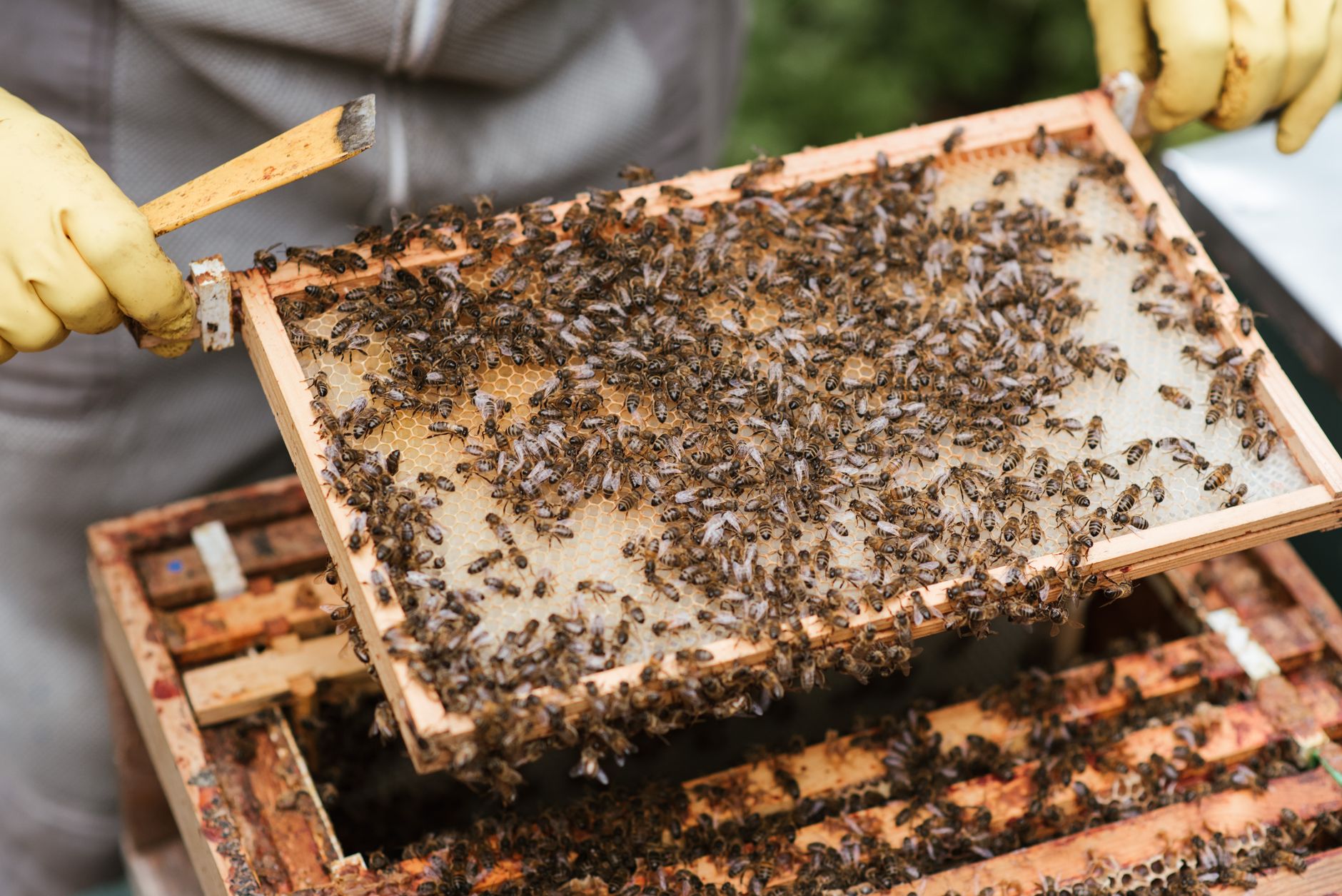
A top bar hive is a horizontal box with angled sides and wooden bars laid across the top. Bees draw natural comb downward from each bar. There is no foundation, no extractor, and no heavy stack. The keeper lifts one bar at a time, which is easy on the back but stressful on the comb. Top bar hives encourage natural comb building and lower startup costs. Many keepers build one from scrap lumber for under $100. Expect 20 to 40 pounds of surplus honey per season in average forage, mostly as comb honey or crushed-and-strained honey.
Management feels different. Because the comb is fragile, you cannot spin it in an extractor. You crush it, strain the honey, and lose the wax unless you render it separately. Inspections require slow, careful lifting so comb does not break and fall. Varroa mite monitoring and disease checks still apply. Use the resources in our common bee diseases and pests guide to recognize American foulbrood, varroa mites, and wax moth issues early. Top bar hives are wonderful for natural beekeeping and beeswax, but they produce less surplus honey and require a gentle inspection style.
Key strengths:
- ✅ Lowest startup cost and easiest DIY construction
- ✅ Bees build natural comb without plastic foundation
- ✅ Lifting one bar is lighter than moving full boxes
- ✅ Harvest yields both honey and clean beeswax
- ❌ Lowest surplus honey yield among the three designs
- ❌ Natural comb can break during inspections if not handled carefully
- ❌ Fewer commercial parts and less consistent local supplier support
Who it’s for: Low-intervention and natural-comb beekeepers who value wax and low cost over maximum honey.
Frequently Asked Questions
Which hive is best for a beginner?
A standard Langstroth 10-frame or 8-frame hive is usually best because parts are easy to find, local mentors understand it, and most disease and mite treatments are designed around removable frames. A top bar hive can work if you have a mentor, but honey yield will be lower.
Does a Flow Hive eliminate the need for bee inspections?
No. Flow Hive frames only change how you harvest. You still need to open the brood nest every 7 to 10 days during swarm season, check for a healthy queen, and monitor Varroa mite loads. Neglecting inspections will lead to colony failure no matter what hive you use.
How much honey can I expect from each hive type?
In a good nectar flow, a healthy Langstroth hive may produce 60 to 100 pounds of surplus honey, a Flow Hive may produce 30 to 60 pounds from the Flow super, and a top bar hive may produce 20 to 40 pounds. Weather, forage, and mite pressure change these numbers.
Do I need an extractor for a Langstroth hive?
Not necessarily. You can use crush-and-strain or cut-comb methods, but most Langstroth beekeepers eventually buy or rent an extractor. A manual two-frame extractor works for one or two hives, while more hives justify a motorized extractor.
Are top bar hives legal in all areas?
Most areas allow top bar hives, but local regulations may require movable frames or specific inspection access. Check with your state department of agriculture or local extension office before buying. Some beekeepers have trouble selling traditional extracted honey from top bar hives because the comb is crushed.
How does Varroa mite control differ between these hives?
Langstroth and Flow Hive brood frames are standard, so alcohol wash or sugar roll sampling is straightforward and treatments are easy to apply. Top bar hives can be sampled, but lifting and manipulating natural comb takes extra care. You still need a mite control plan in all three systems.
What Should You Remember?
- Langstroth 10-frame: highest honey yield and the widest parts support, but heavy boxes require careful lifting.
- Flow Hive: harvest without uncapping or an extractor, but the high price does not remove the need for inspections and mite control.
- Top bar hive: lowest startup cost and natural comb, but lowest honey yield and fragile comb management.
- Varroa monitoring: sample mites monthly regardless of hive style; national losses near 40 percent demand it.
- Honey yield: plan for 60 to 100 pounds from a strong Langstroth, 30 to 60 from a Flow super, and 20 to 40 from a top bar hive.
- Inspections: every hive needs a 7 to 10 day spring swarm check and consistent disease monitoring.
This article is for general information only and is not veterinary or legal advice. Beekeeping is regulated in most regions and involves live animals with their own health needs , always follow local regulations and best practices, and consult a qualified apiarist, extension service, or veterinarian for bee-health or disease concerns.