Most new beekeepers spend too much on the wrong gear and not enough on the right hive tool. In 2026, the market is full of clever accessories, but a short list of staple tools still does the heavy work. This guide walks through the five tool categories that matter most: hive tools, smokers, protective gear, feeders, and extractors. For a broader starting plan, see our complete beginner guide to starting your first honey bee hive.
We compared tools the way a working beekeeper does: does it hold up, is it easy to clean, and will you use it every week or only once a season? We also looked at what university extension programs and the American Beekeeping Federation recommend for new beekeepers. That means skipping the fancy gadgets and buying gear that allows fast, calm inspections. If you want a longer list of mistakes to avoid before you spend money, check our beekeeping mistakes guide.
Varroa pressure decides which inspections you can afford to skip. The Honey Bee Health Coalition notes that varroa mites are the most serious pest in modern beekeeping, and unchecked mite levels can push colony losses past 50 percent in many operations. You need a smoker that lights quickly and a hive tool that lets you pull a sticky frame without popping it out of your hands. These are not luxury items. They are how you stay on top of mite counts and disease before it costs you a colony. Read more in our varroa mite treatment guide.
USDA agricultural statistics show a strong hive can yield 50 to 80 pounds of surplus honey in a good flow, but only if you can extract it cleanly and feed it back when reserves run short. That is why this guide covers the full gear chain from frame to jar. Where we name a specific product, we link to a current Amazon search so you can see today’s price. We do not sell bees here. We focus on the equipment that keeps bees alive and productive.
How Do the Top Options Compare?
| Tool Category | Best For | Typical Price | Key Spec |
|---|---|---|---|
| Hive Tools | Prying frames and boxes | Check price on Amazon | Full-tang stainless steel, 10-inch |
| Bee Smokers | Calming bees before inspections | Check price on Amazon | Stainless body, heat shield, bellows |
| Protective Gear | Reducing sting risk | Check price on Amazon | Ventilated suit or jacket, self-supporting veil |
| Feeders | Feeding syrup in spring and fall | Check price on Amazon | Hive-top, 1-2 gallon capacity |
| Honey Extractors | Harvesting liquid honey | Check price on Amazon | 2-frame electric, stainless steel drum |
Prices are typical 2026 retail ranges and vary by seller. Amazon links are search results and may show different models. Always choose food-grade stainless steel and check local bee club rental options before buying an extractor.
1. Hive Tools , Everyday prying and frame lifting
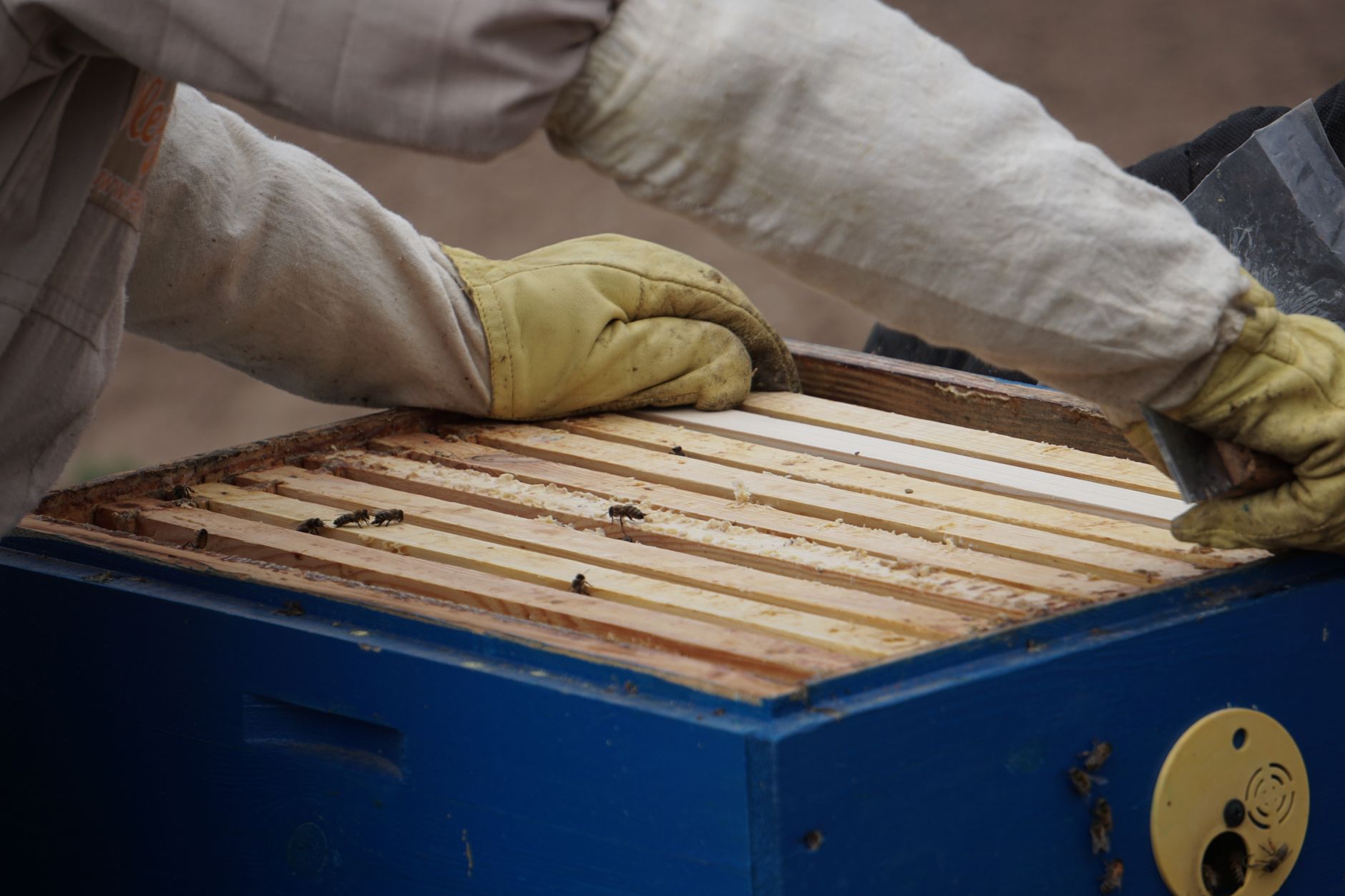
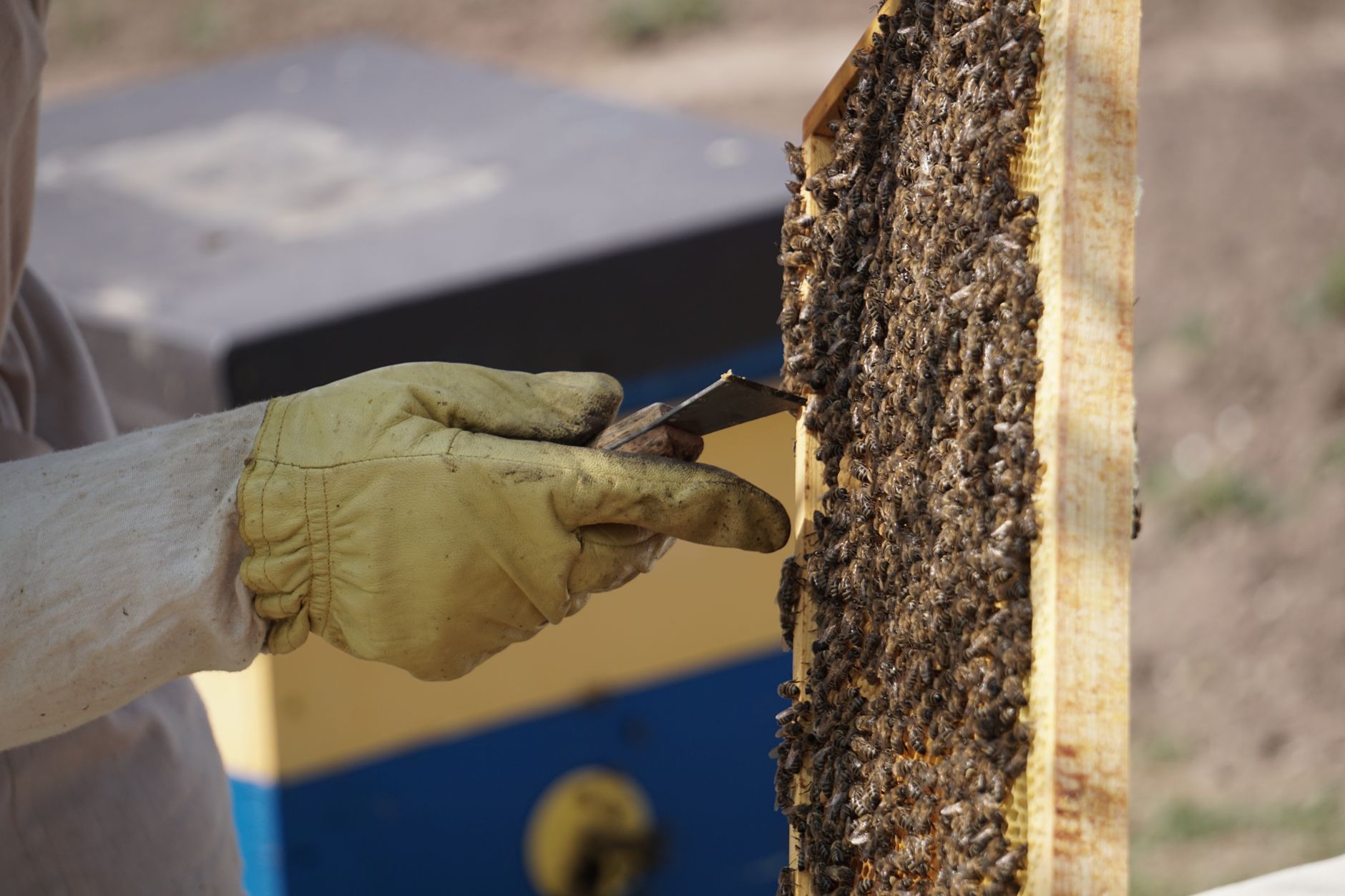
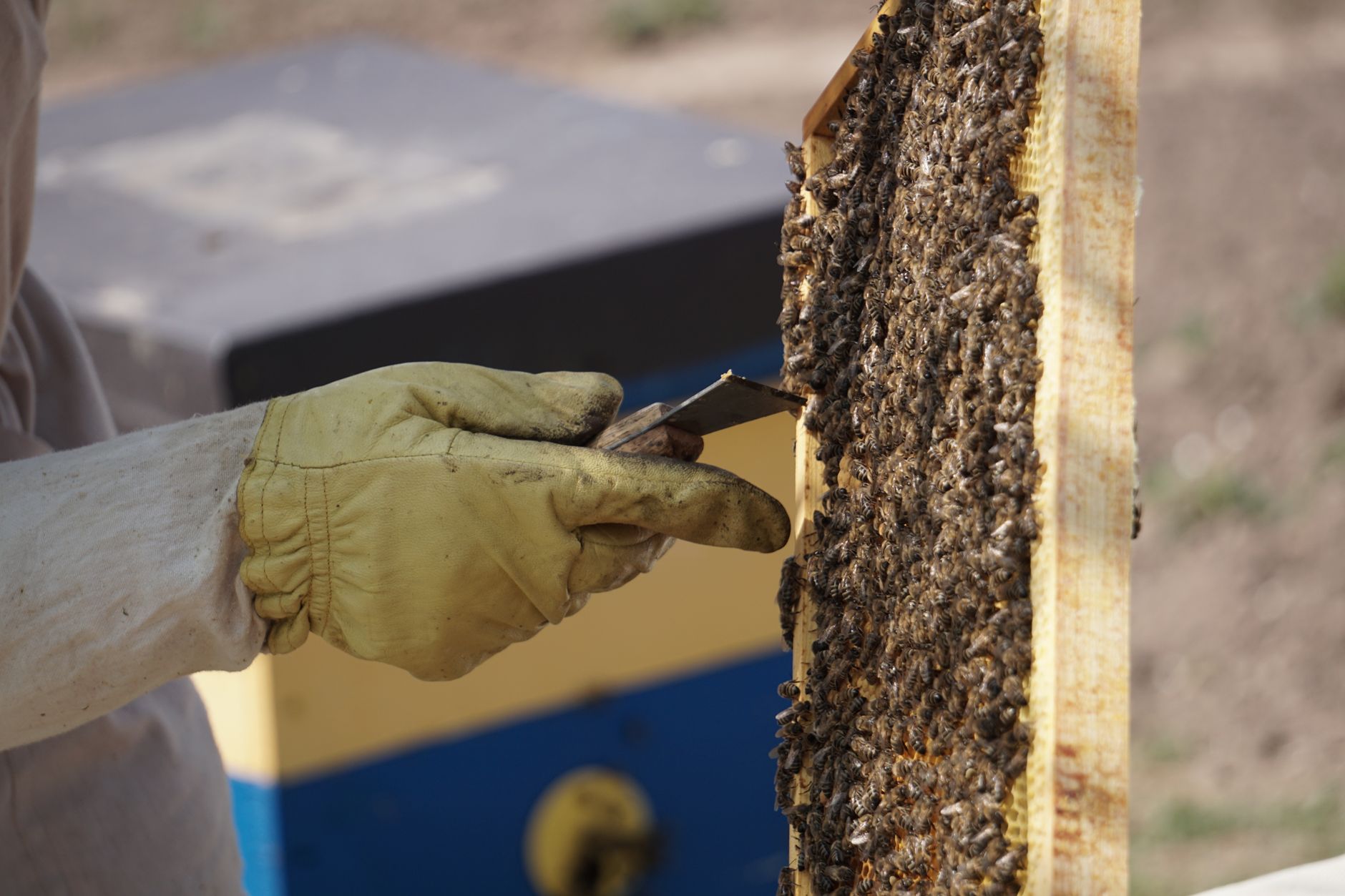
The hive tool is the most-used tool in the apiary. A standard 10-inch J-hook tool with a curved scraper end handles most frame work. New beekeepers often skip the wider Italian-style hive tool, but it is worth the extra money once you work more than two hives. We recommend at least two hive tools per beekeeper because one always gets left in the grass. Before you buy, review our hive inspection guide so you know what you are looking for.
In 2026, look for full-tang stainless steel construction. Cheap painted steel tools bend and rust after one season. A heavier tool with a sharpened edge reduces wrist strain when separating propolis-sealed boxes. That matters if you inspect weekly during spring buildup. If you want a single dependable tool, check the Mann Lake stainless steel hive tool on Amazon.
A curved end works better than a straight pry bar because it pivots against the box edge without denting the wood. Keep the edge sharp with a file. A dull hive tool slips and can crush bees. Many commercial beekeepers carry one standard and one J-hook tool in different pockets. That saves walking back to the truck.
Key strengths:
- ✅ Separates frames and boxes without cracking wood
- ✅ Full-tang stainless steel resists rust for years
- ✅ Double-ended design works for prying and scraping
- ✅ Light enough to keep in a back pocket during inspections
- ✅ Sharpened edge breaks propolis seals quickly
- ❌ Cheap painted models bend at the tang
- ❌ You will lose it often if you do not buy two
Who it’s for: Every beekeeper, from first hive to commercial yard.
2. Bee Smokers , Calming bees during inspections
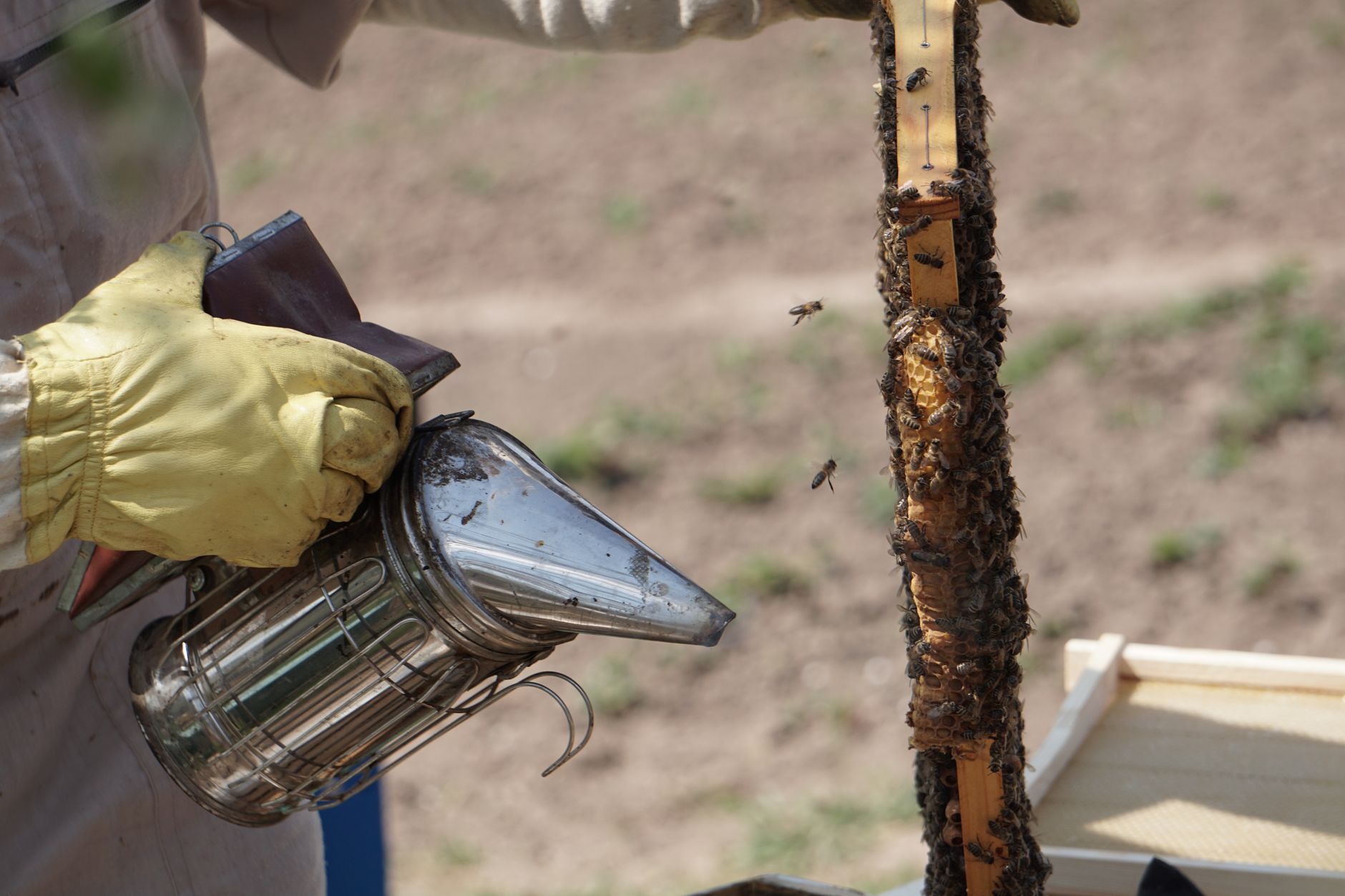
A quality smoker is the most underrated tool in a beginner kit. Cool white smoke masks alarm pheromones and gives you a calmer work window. Many new beekeepers skip the smoker, then struggle when their colony turns defensive during a late-season inspection. Keep the smoker lit before you lift the first frame so you are not fumbling with matches while bees ping your veil.
Look for a stainless steel body, a heat shield, and a solid bellows. The VIVO stainless steel bee smoker is a dependable budget pick. It holds a steady burn with pine straw or burlap. Avoid thin galvanized models that rust out after a humid summer. In 2026, electric smokers exist, but a manual bellows smoker remains more reliable for most new keepers. Check the VIVO stainless steel bee smoker on Amazon.
Fuel matters as much as the smoker. Pine straw and dry leaves work, but burlap smolders longer. Never use treated wood or synthetic fabric. They produce toxic smoke. Start with a small fire, add fuel slowly, and aim the spout at the hive entrance before opening. A smoker that goes out mid-inspection turns a calm colony into a defensive one in seconds.
Key strengths:
- ✅ Calms bees without chemicals
- ✅ Stainless steel body handles repeated high heat
- ✅ Heat shield prevents burning your leg
- ✅ Large fuel chamber stays lit longer
- ✅ Manual bellows are simple to repair
- ❌ Bellows wear out on cheap models
- ❌ Needs dry fuel, which can be scarce in rainy seasons
Who it’s for: Beekeepers who work colonies at least twice a month.
3. Protective Gear , Reducing sting risk during inspections
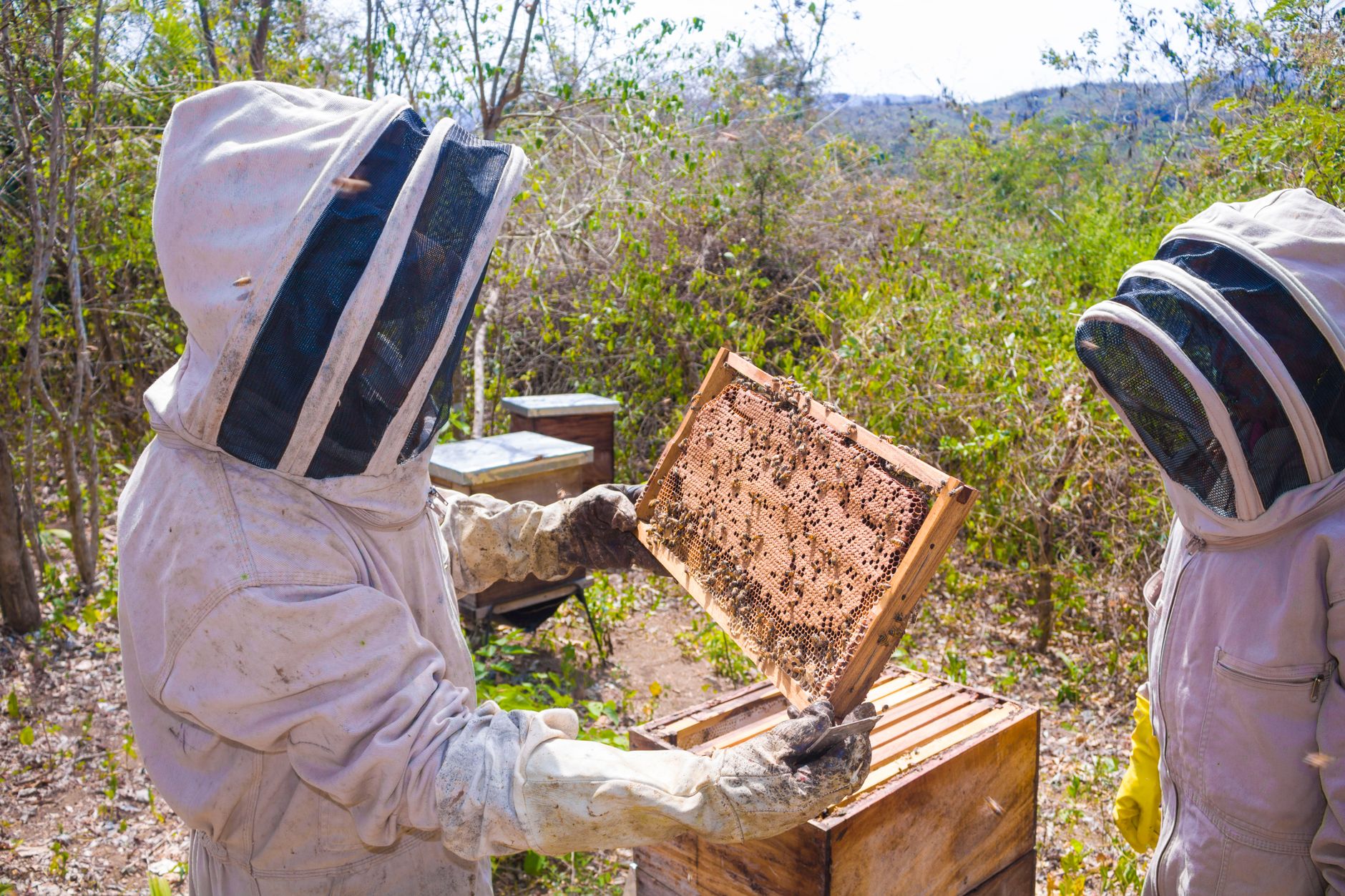
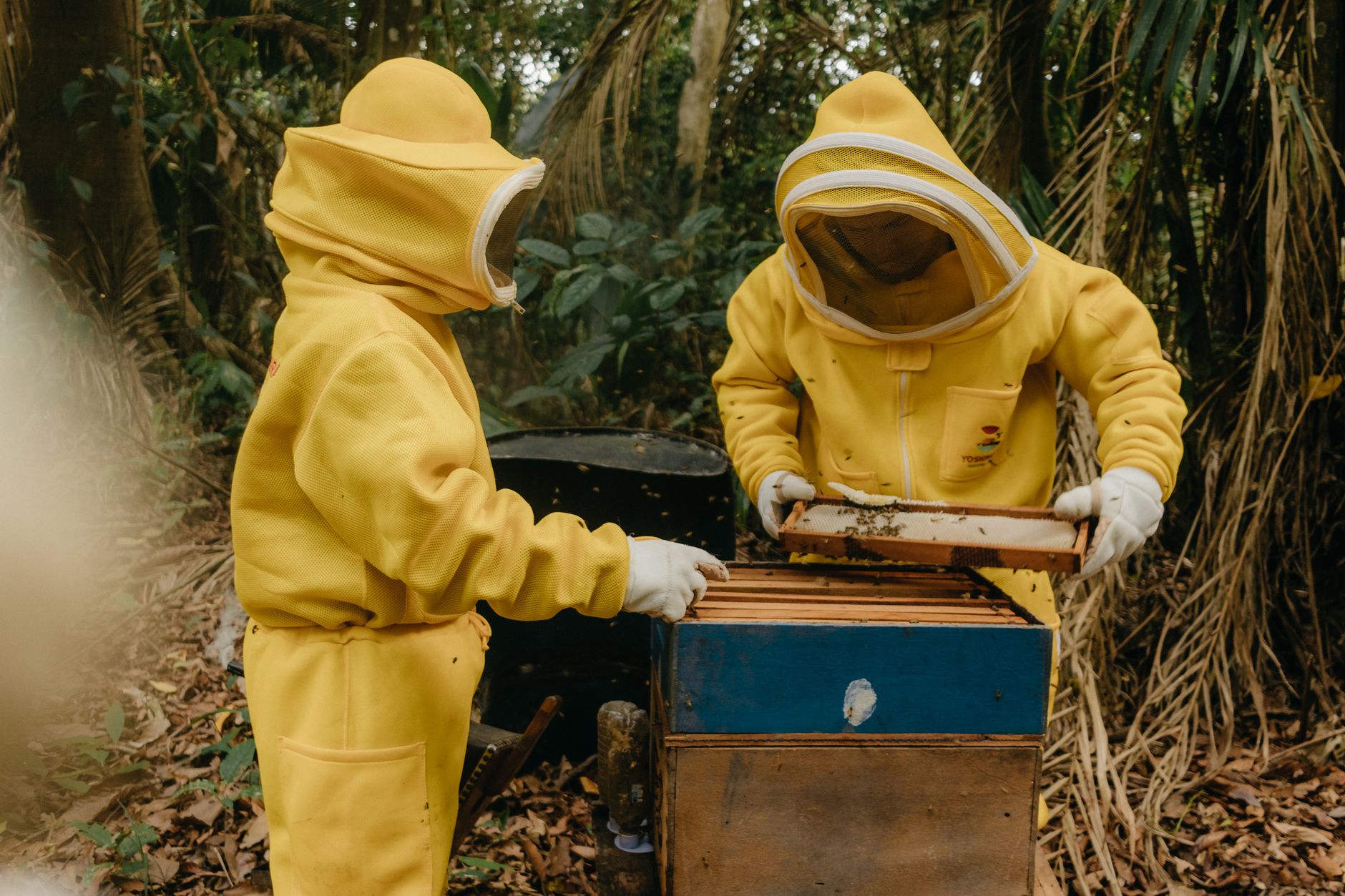
Protective gear spans veils, jackets, full suits, and gloves. Your comfort drives how often you inspect. If you hate your gloves, you will skip checks and miss varroa buildup. Start with a ventilated full suit in hot climates. In cooler regions a jacket and veil may be enough. See our best beekeeping gloves guide for the difference between leather, nitrile, and ventilated options.
Gloves should be goat leather or ventilated. They need to fit close without restricting your fingers. Loose gloves make frame handling clumsy and annoys bees. Full suits with self-supporting fencing veils are worth the price because the veil stays off your face. A well-fitted ventilated suit with elastic cuffs and double zippers is a strong pick for hot summers, but any polycotton suit will work if you keep it zipped.
Many beginners buy a full suit with a round veil and then push it away from their face. A fencing veil holds its shape and gives you full sight lines. Elastic thumb loops keep sleeves from riding up at the wrists. That is where bees find skin. If you work bees in high heat, a ventilated jacket may be a better choice than a full suit because you can pair it with loose jeans.
Key strengths:
- ✅ Prevents stings that cause swelling and lost work days
- ✅ Ventilated fabric keeps you cooler during summer inspections
- ✅ Self-supporting veils keep mesh off your face
- ✅ Durable zippers and elastic cuffs stop bees from crawling inside
- ❌ Full suits are hot despite ventilation
- ❌ Quality leather gloves wear out after two or three seasons
Who it’s for: Anyone who opens a hive more than twice a year, especially in warm climates.
4. Feeders , Emergency food and colony buildup
Feeders matter more than many beginners think. New packages and nucs need supplemental syrup until they draw comb. Fall feeding can mean the difference between a colony that survives winter and one that starves in February. Choose based on your setup: entrance feeders fit Langstroth hives, frame feeders go inside the box, and hive-top feeders hold more syrup.
We prefer hive-top feeders for rapid spring feeding because they hold one to two gallons and do not drown bees. Entrance feeders are cheap but invite robbing. Frame feeders work in a pinch but remove comb space. In varroa-heavy yards, avoid open feeding. It spreads disease. Do not feed honey from unknown sources because it can spread American foulbrood. That named disease is the reason many beekeepers now use acid-based treatments early, but a clean feeder is still the first line of defense.
When feeding syrup in spring, use a 1:1 sugar-to-water ratio. In fall, shift to 2:1. This matches the colony’s moisture tolerance and storage behavior. Do not leave syrup feeders on during a honey flow. You will end up with sugar syrup mixed into your honey. Keep only one feeder style at first so you learn how the bees drain it and how often it needs refilling.
Key strengths:
- ✅ Prevents starvation during dearth or after installing packages
- ✅ Hive-top models hold one to two gallons of syrup
- ✅ Frame feeders keep feeding inside the hive
- ✅ Covered designs reduce robbing and disease spread
- ❌ Entrance feeders can trigger robbing
- ❌ Needs regular cleaning to prevent mold and fermentation
Who it’s for: Beekeepers installing packages, splits, or feeding through a fall dearth.
5. Honey Extractors , Harvesting liquid honey without destroying comb
An extractor is the biggest equipment purchase after hive boxes. A two-frame hand-crank extractor works for one or two hives. A four-frame electric extractor becomes worth it at five hives or more. In 2026, budget electric extractors with food-grade stainless steel drums are common, but plastic gears still fail on cheap models. For a side-by-side model comparison, see our best honey extractors guide.
Look for a stainless steel drum, a variable speed motor, and reversible rotation. Reversing baskets yields more honey from both sides of the frame. The VIVO electric honey extractor is a solid starter. It runs on 110 volts and fits two deep frames. If you only have one hive, borrow an extractor from a local bee club before spending 400 dollars. Many clubs rent extractors for a day. Check the VIVO electric honey extractor on Amazon.
Crush-and-strain works for one or two frames but wastes drawn comb. An extractor lets you reuse drawn comb the next season, which shortens the spring buildup. If you buy electric, choose one with a reverse switch. Without reverse, the inner sides of the frames stay filled. This is the main budget-killer mistake. Rent or borrow before you commit. Many county bee clubs maintain shared extraction rooms.
Key strengths:
- ✅ Extracts honey without destroying drawn comb
- ✅ Electric models save time on multiple frames
- ✅ Stainless steel is easy to clean and food safe
- ✅ Reversible rotation pulls more honey per frame
- ❌ Large and heavy, hard to store in small spaces
- ❌ Expensive for one or two hives
- ❌ Cheap plastic gears break after one season
Who it’s for: Beekeepers with three or more hives or anyone who wants to harvest more than crush-and-strain.
Frequently Asked Questions
What tools does a beginner beekeeper need in 2026?
Start with a hive tool, smoker, protective veil or suit, and a feeder. Add an extractor only after you have several honey supers. Buy the best hive tool and smoker you can afford.
How much should a complete beekeeping toolkit cost?
Expect to spend between 200 and 450 dollars for entry-level protective gear, smoker, hive tool, and feeder. A two-frame electric extractor adds another 200 to 400 dollars if you do not rent one.
Do I need an electric honey extractor for two hives?
Not necessarily. A two-frame hand-crank extractor or renting from a bee club works for two hives. Electric models save time once you have five or more hives.
How do I know if a smoker is good quality?
Look for a stainless steel body, a heat shield, and a leather or wooden bellows. It should stay lit for 15 to 20 minutes on one load of dry pine straw or burlap.
Can I use regular gloves instead of beekeeping gloves?
You can, but loose leather or cloth gloves do not stop stings and make frame handling harder. Ventilated beekeeping gloves protect your hands without overheating.
When should I replace my hive tool?
Replace a hive tool when the tang bends, the edge stops scraping propolis, or rust pits form. With stainless steel, a good hive tool lasts many seasons.
What Should You Remember?
- Start with four tools: hive tool, smoker, protective gear, and feeder. Add an extractor later.
- Buy stainless steel: cheap painted hive tools and smokers rust and bend within one season.
- Match gear to climate: ventilated suits beat thick cotton suits in hot regions.
- Monitor varroa early: good tools make inspections fast and consistent. Unchecked mites can push colony losses above 50%.
- Rent before you buy extractors: one or two hives do not justify a 400-dollar extractor.
- Feed carefully: covered feeders reduce robbing and disease spread.
This article is for general information only and is not veterinary or legal advice. Beekeeping is regulated in most regions and involves live animals with their own health needs , always follow local regulations and best practices, and consult a qualified apiarist, extension service, or veterinarian for bee-health or disease concerns.