New beekeepers often tell me their first colony looked great in August and was dead by November. That is not bad luck. It is usually a series of small, preventable mistakes that added up over several months. The good news is that most first-year failures can be avoided with a clear plan, regular inspection, and realistic expectations. I have seen hives recover from a weak start when the keeper corrected problems early. I have also seen strong hives collapse because the keeper ignored one simple issue. This guide covers the ten mistakes I see most often in beginners and how to fix each one before it costs you a colony.
According to USDA-supported surveys, winter colony losses have hovered between 30 and 50 percent in recent years. While experienced beekeepers lose colonies too, new beekeepers tend to lose more hives because they miss early warning signs. The USDA Agricultural Research Service and the American Beekeeping Federation both emphasize education and mentorship as the best defenses. Start by learning the basics, then treat your first season as an apprenticeship. You will make fewer mistakes when you understand what healthy bees and brood should look like. A mentor, a local club, or a solid beginner guide can cut your learning curve dramatically.
| Mistake | Why It Hurts | The Fix |
|---|---|---|
| Buying bees before setup | Rushed installation and early absconding | Assemble equipment and choose location first |
| Wrong hive style or location | More disease pressure and slower buildup | Pick sunny, dry site and learn management differences |
| Skipping regular inspections | Missed queen or brood problems | Inspect new colonies every 7 to 10 days |
| Ignoring brood pattern | Failing queen or queenless hive | Look for eggs and tight brood pattern each inspection |
| Not testing for varroa | Mite viruses kill colonies before winter | Alcohol wash or sugar roll monthly |
| Treating varroa incorrectly | Resistant mites and treatment failures | Follow label, rotate products, retest after treatment |
| Feeding without timing | Weak stores, robbing, dysentery | Feed during dearth and fall, stop during strong flow |
| Harvesting too much honey | Starvation in winter | Leave 60 to 80 pounds in cold climates |
| Late winterizing | Moisture and cold stress | Reduce entrances, add ventilation, check food by late summer |
| Missing swarm signs | Half the colony leaves | Watch queen cups and split crowded hives |
Are You Starting With the Wrong Hive, Bees, or Location?
Many new beekeepers buy a hive and a package of bees before they understand the basics. This leads to rushed setup and avoidable first-season failures. Before ordering anything, read the complete beginner guide to starting a honey beehive and compare hive styles. A Langstroth hive is the most common choice for beginners, but top bar and Flow Hive designs have different management needs. Choose one and learn how it works first. If you need a standard wooden setup, check the Langstroth hive on Amazon.
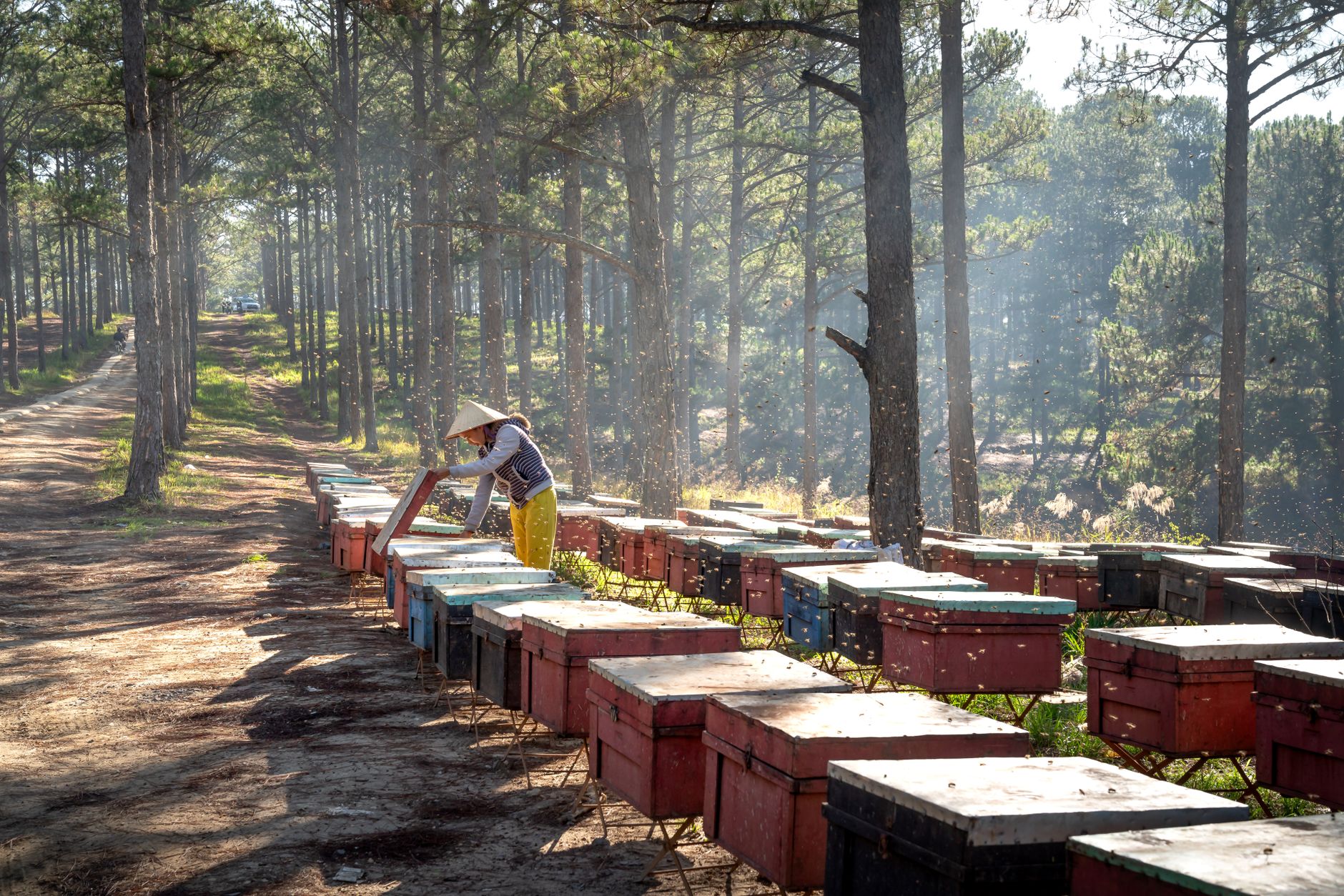
Location is another quiet killer. A damp, shaded, or wind-exposed site makes the colony work harder and increases disease pressure. Aim for morning sun, afternoon shade in hot climates, and a level stand with dry footing. Place the hive near a water source but away from foot traffic. If you are buying bees, do not let a late season package push you into bad timing. The buying bees guide explains package, nuc, and split options. Starting with a nuc from a local supplier often gives a new colony a faster start.
Start with one or two hives, not five. A single hive hides problems because you have no comparison. Two hives let you share resources and compare brood patterns. The first season is for learning, not maximizing honey. You can always expand next year after you see how much time one hive really takes.
- Mistake 1: Buying bees before you have assembled and placed equipment.
- Mistake 2: Choosing a hive style or location without learning the management tradeoffs.
Why Do New Beekeepers Fail to Inspect Hives Correctly?
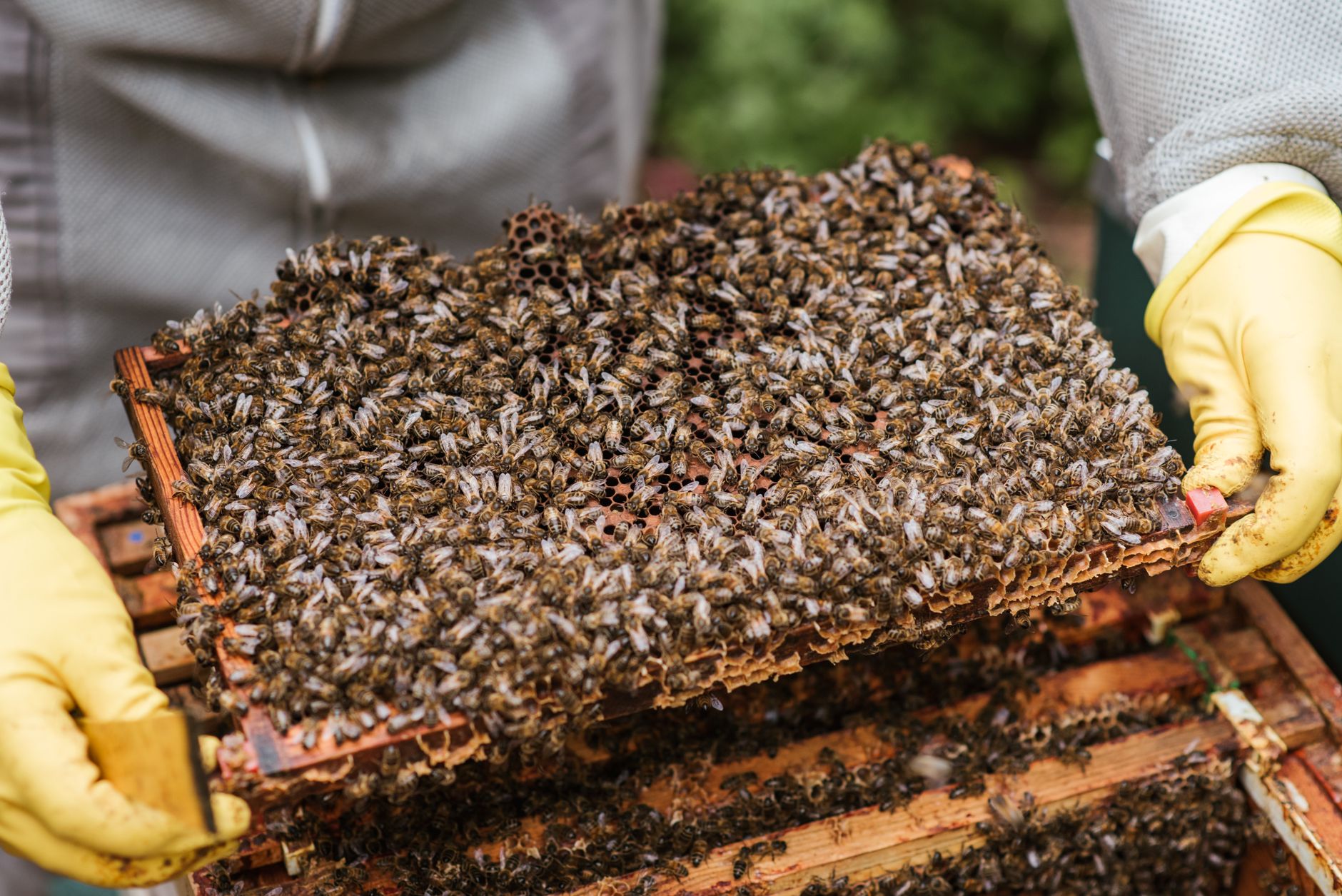
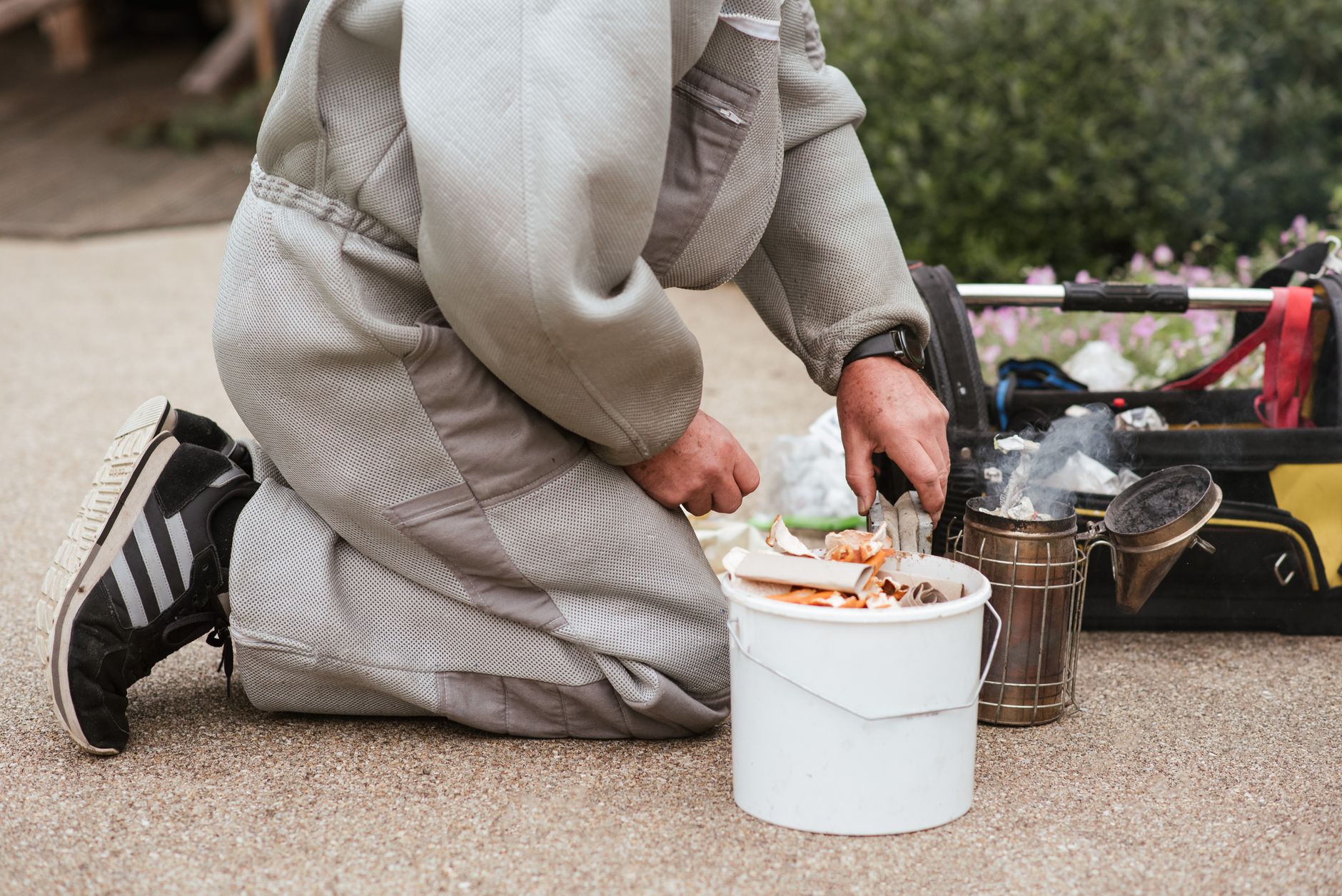
Inspection is the primary diagnostic tool in beekeeping. New beekeepers often inspect too little because they are afraid of stings or do not want to disturb the colony. Others inspect too often and disrupt brood rearing. Follow a simple rule: new colonies need a quick check every 7 to 10 days during active season. Use a good hive inspection guide to know exactly what to look for. Keep a notebook and record eggs, brood pattern, and any pests.
During inspection, look for eggs, open brood, capped brood, and the queen. If you cannot find eggs or see multiple eggs in one cell, your colony may have queen problems. Learn to spot the queen and assess her laying pattern. A healthy queen lays in a tight pattern, not a scattered one. Also watch for pests like wax moth or small hive beetle. The earlier you see problems, the easier they are to fix. Many new beekeepers skip inspection because the hive looks busy at the entrance. That is not enough.
Join a local bee club and ask an experienced member to inspect with you. Seeing healthy brood and mites through someone else’s eyes speeds up your learning. Even one guided inspection can prevent months of confusion.
- Mistake 3: Inspecting less than once every two weeks during spring buildup.
- Mistake 4: Ignoring a spotty or missing brood pattern and failing to locate the queen.
How Does Ignoring Varroa Mites Wreck First-Year Colonies?

Varroa mites are the number one cause of colony loss for backyard beekeepers. University extension services and the Honey Bee Health Coalition repeat this same message. Mites spread viruses and weaken bees before they go into winter. If you do not monitor and treat, your first colony can collapse in October or November. One mite-infested hive can also spread mites to neighboring hives.
New beekeepers often think their bees look fine and skip mite testing. That is a mistake. Use an alcohol wash or sugar roll monthly from late spring through fall. If mite counts exceed 2 to 3 mites per 100 bees, treat. There are many legal treatments available. Varroa mite treatment strips are one option, but always follow the label and rotate active ingredients. The varroa mite treatment guide breaks down timing and options. Treating only when you see deformed wings is far too late.
USDA-supported surveys have reported winter colony losses around 37 percent in recent years, and varroa pressure is a major driver. Testing takes five minutes per hive. That small habit can save your whole apiary. Learn how to test and treat before your bees are visibly sick.
- Mistake 5: Never testing for varroa mites because the colony looks fine.
- Mistake 6: Treating without follow-up mite counts or using the same treatment every time.
What Feeding and Honey Harvest Mistakes Do Beginners Make?
Feeding seems simple, but timing matters. New packages and nucs often need supplemental feeding during early comb building. But once nectar is flowing, continued sugar syrup can dilute honey stores or attract robbers. In fall, many beginners stop feeding too early. Bees need enough stored honey or heavy syrup to survive winter. Use a top feeder or frame feeder and check the weight of the hive. A light hive in September is a warning sign.
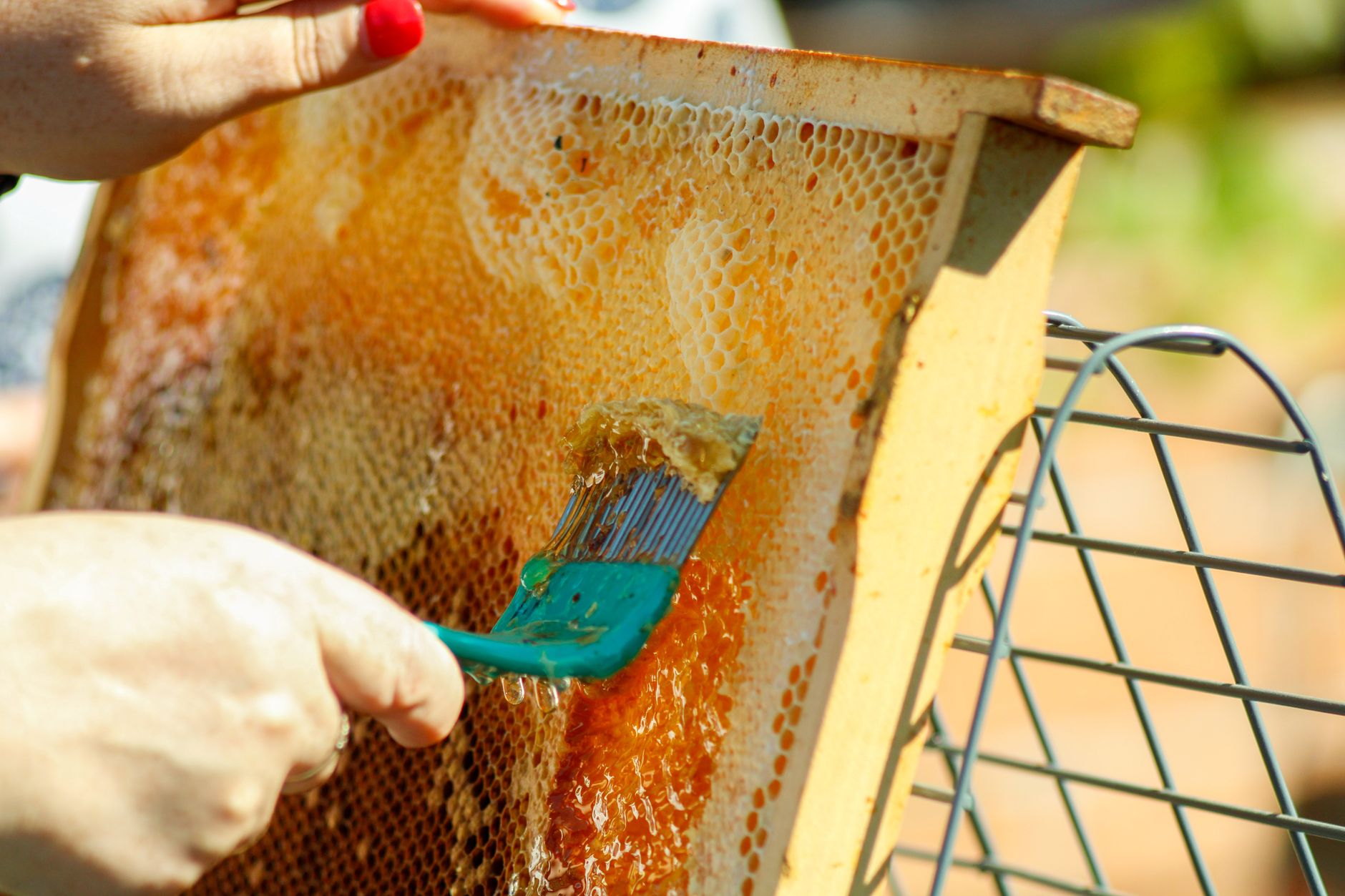
Harvesting too much honey is another first-year mistake. A first-year hive rarely produces a large surplus. USDA data shows average honey yield has been around 47 pounds per colony in recent years, but first-year colonies often produce far less. If you harvest in late summer, leave at least 60 to 80 pounds of honey in a cold climate. The how much honey does one hive produce guide explains realistic expectations. For harvest steps, see how to harvest honey the first time. Do not take the whole super if you are unsure.
Do not harvest uncapped honey. Uncapped honey has water content above the safe range. It can ferment and cause dysentery. Use a refractometer or at least check that at least 80 percent of the frame is capped before extracting. Wait until the flow is over and your hive is strong. Your first season is about colony survival first.
- Mistake 7: Feeding syrup nonstop or stopping fall feeding before stores are full.
- Mistake 8: Harvesting too much honey or harvesting uncapped frames before winter.
Are You Making Overwintering and Swarm Prevention Mistakes?
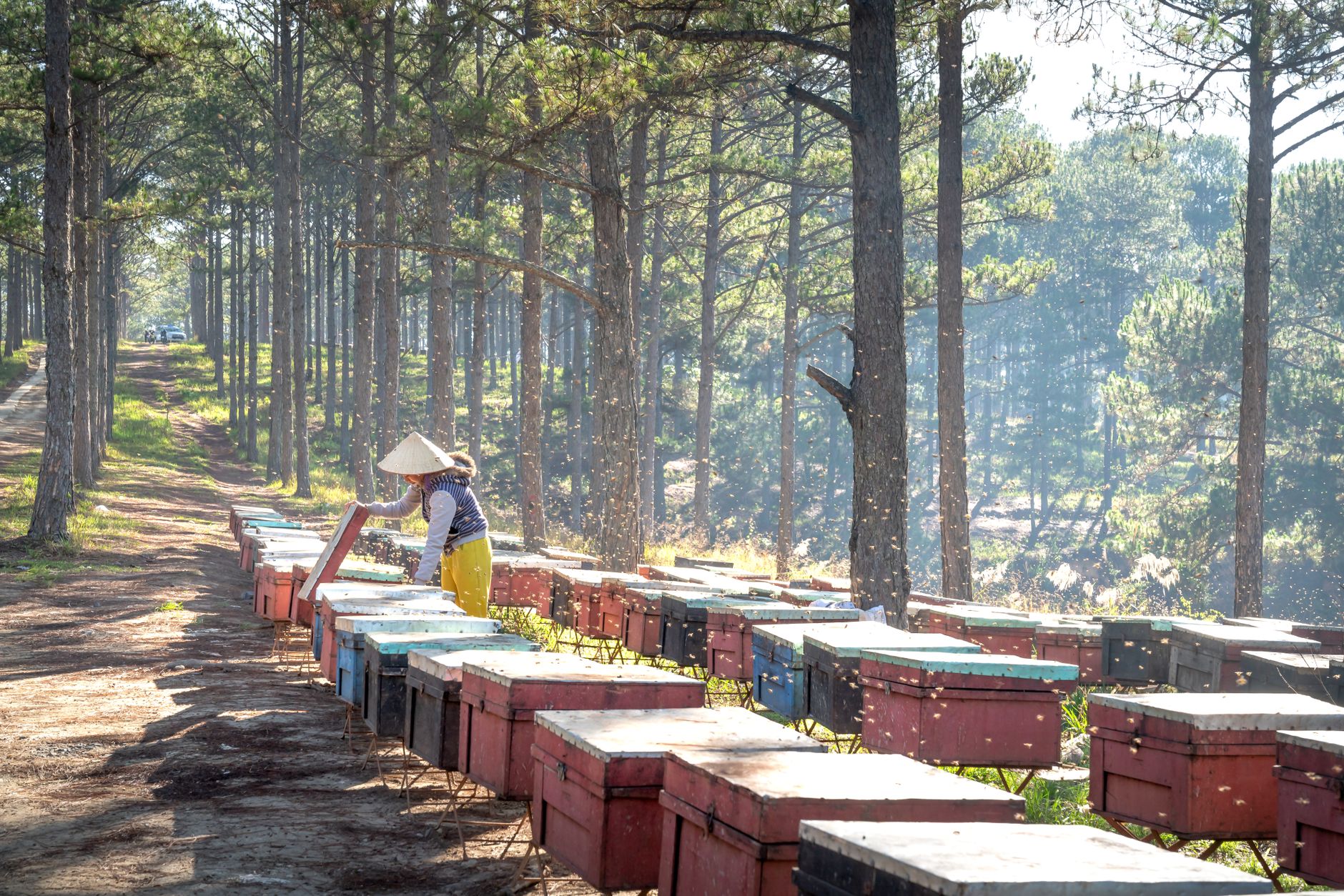
Winter preparation starts in late summer, not after the first frost. New beekeepers often forget to reduce entrances, add ventilation, and protect hives from wind. Moisture kills more winter bees than cold. A moisture quilt or upper ventilation board helps. The winterizing guide covers climate-specific steps. You also need to check food stores and treat for mites before brood rearing slows down.
Swarm prevention is the other big beginner gap. When a colony gets crowded in spring, half the bees leave with the old queen. That cuts your honey crop and weakens the original hive. Learn the early signs: queen cups, crowded brood boxes, and bees bearding at the entrance. If you see swarm cells, you can split the hive to relieve pressure. A timely split can turn one colony into two instead of losing the swarm.
Also plan your equipment for overwintering before you need it. An entrance reducer helps keep mice out, and a windbreak protects exposed hives. Do not wrap hives in the wrong material or seal them completely. Proper ventilation and a dry interior matter more than extra insulation.
- Mistake 9: Waiting until late fall to winterize the hive.
- Mistake 10: Ignoring swarm preparation signs and losing half the colony.
Frequently Asked Questions
What is the biggest mistake beginner beekeepers make?
The most frequent error is underestimating varroa mites. New beekeepers skip mite testing and treatments, then lose an otherwise strong colony before winter. Regular testing and early treatment fix this.
How often should I inspect a new beehive?
During the active season, inspect new colonies every 7 to 10 days. In colder months, check less often, usually monthly or when outdoor temperatures allow a quick look.
When should I start feeding my bees?
Feed new packages or nucs right after installation if nectar is not flowing. Also feed in fall if honey stores feel light. Stop syrup during a strong nectar flow to avoid diluted honey.
Can I harvest honey from a first-year hive?
Yes, but only a small amount. Many first-year hives produce little surplus. Leave enough honey for winter, usually 60 to 80 pounds in cold climates, before considering any harvest.
How do I know if my queen is failing?
Look for a spotty brood pattern, multiple eggs per cell, or no eggs at all. Queen failure often shows up as a shrinking colony and increased drone brood.
When is the best time to start a beehive?
Spring is best for most regions. Bees get the full season to build comb and stores. Fall starts are possible in warm climates but require extra feeding and protection.
What Should You Remember?
- Start with a plan and the right equipment before you order bees.
- Inspect new colonies every 7 to 10 days and record what you see.
- Test for varroa mites monthly and treat when counts exceed 2 to 3 mites per 100 bees.
- Leave enough honey stores for winter, never harvest uncapped frames.
- Winterize hives in late summer and watch for swarm signs in spring.
- Join a local beekeeping club or find a mentor before your first season.
This article is for general information only and is not veterinary or legal advice. Beekeeping is regulated in most regions and involves live animals with their own health needs , always follow local regulations and best practices, and consult a qualified apiarist, extension service, or veterinarian for bee-health or disease concerns.