
Urban beekeeping is one of the fastest-growing beekeeping trends globally. Toronto, New York, London, Paris, and hundreds of other cities now have thriving urban beekeeping communities. City bees often produce remarkable honey — urban flower gardens, parks, and tree plantings create diverse forage that can rival or exceed rural monoculture honey in complexity and flavor.
Step 1: Check Your Local Bylaws
Before anything else — check the law. Urban beekeeping bylaws vary dramatically:
- Permissive cities: Toronto, Vancouver, New York, Chicago, Los Angeles, Montreal — permit residential beekeeping with conditions (setbacks, hive limits, registration)
- Restrictive cities: Some municipalities still classify bees as livestock and prohibit them in residential zones
- HOA restrictions: Homeowners associations may restrict bees even where city bylaws permit them
Your local beekeeping association (search "[your city] beekeeping association") is the best resource for current local bylaw status. The Ontario Beekeepers' Association tracks Ontario municipal bylaw status for member reference.
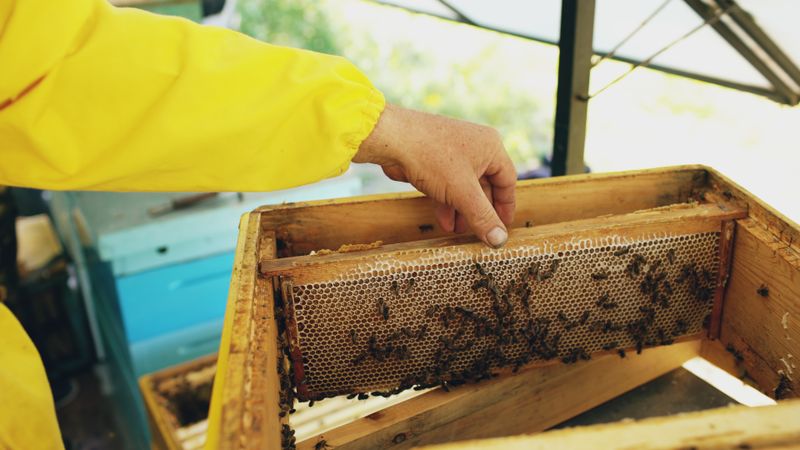
Hive Placement in Urban Settings
Urban hive placement has more constraints than rural:
- Orient the entrance away from footpaths, patios, and neighbours' properties — bees emerge and return to the entrance at speed; placing it toward foot traffic causes encounters
- Install a flyway barrier: A 2-metre solid fence, hedge, or wall 2+ metres in front of the hive forces bees to fly up and over, reaching cruising altitude before entering shared airspace
- Minimum setbacks: Most city bylaws require 3–6 metres from property lines. Some require more from windows, pools, and playgrounds.
- Rooftop hives: Popular in dense urban cores — no setback issues from ground-level neighbours, bees fly at altitude immediately, and rooftop access reduces foot traffic around the hive. Challenges: heat in summer, wind exposure, weight on roof, and carrying equipment up stairs.
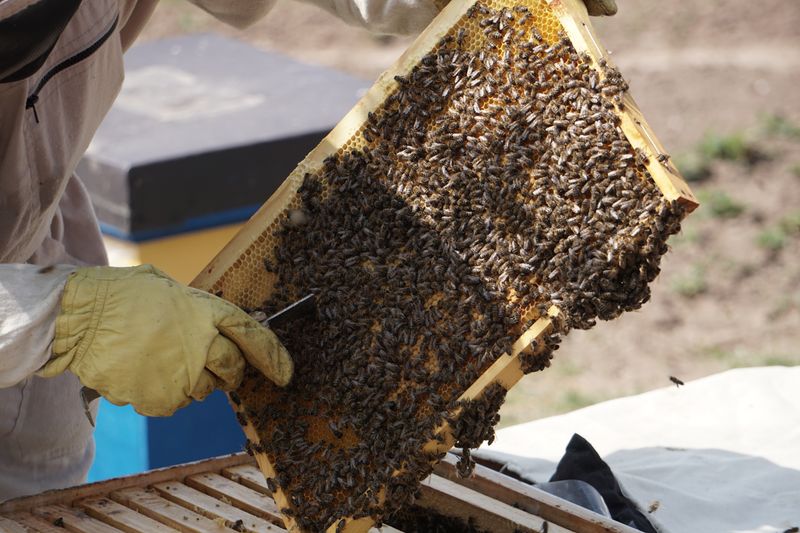
Best Bee Breeds for Urban Environments
Bee temperament matters significantly more in urban settings. Defensive behavior during inspections in a backyard bordered by neighbours is a neighbourly problem that doesn't exist in a rural field.
- Carniolan (Apis mellifera carnica): Best urban choice — exceptional gentleness, good overwintering, less swarmy than Italian bees
- Italian (Apis mellifera ligustica): Classic gentle breed, excellent honey production, widely available. Good urban choice.
- Buckfast: Bred specifically for temperament and disease resistance. Excellent urban bee.
- Avoid: Any colony showing heightened defensive behavior should be requeened promptly in urban settings — this is non-negotiable.
Managing Neighbours
The most important urban beekeeping skill isn't beekeeping — it's communication:
- Tell neighbours before installing, not after they're surprised by bees
- Bring honey at harvest time — local urban honey is genuinely valuable and converts most skeptics
- Invite interested neighbours to watch an inspection — seeing how calm properly-kept bees are demystifies them
- Take allergy concerns seriously — not all bee sting allergies are life-threatening, but some are. A neighbour with diagnosed anaphylaxis is a valid reason to discuss hive placement.
- Provide water: Bees collect water within flying range. A water source in your garden (birdbath with landing stones) keeps them from collecting from neighbours' pools and water features.
The American Beekeeping Federation's urban beekeeping resources include model bylaw language and best practice guides for urban beekeepers.
For getting started with your first hive, see our complete beginners guide and our best starter kit guide. For managing the summer hive inspection schedule that keeps urban bees manageable, see our hive inspection guide.
Frequently Asked Questions
Is beekeeping legal in cities and towns?
Beekeeping legality varies by municipality. Many cities (including Toronto, New York, Chicago, Vancouver) explicitly permit residential beekeeping with setback requirements and hive limits. Check your city's zoning bylaws before purchasing equipment. Contact your local beekeeping association — they often have current bylaw information for your area.
How many hives can I keep in a small backyard?
For a typical urban backyard (under 400 sq m), 1–2 hives is the practical recommendation. Many city bylaws limit urban hives to 2–4. Starting with one hive is strongly recommended — urban beekeeping has the same learning curve as rural, and managing one thriving hive is better than two struggling ones.
What are the best bee breeds for urban beekeeping?
Carniolan bees are the top recommendation — notably gentle, good overwinterers, less prone to swarming. Italian bees are also good urban choices. Avoid any colony demonstrating heightened defensiveness — replace such queens promptly in urban settings where neighbour proximity makes defensiveness a real problem.
How do I handle neighbor concerns about my bees?
Talk to adjacent neighbours before installing your hive. Explain that honeybees are not aggressive away from the hive, and offer to share honey at harvest. If a neighbour expresses allergy concerns, take it seriously. A 2-metre solid fence forces bees to fly high, dramatically reducing neighbour interactions. Proactive communication prevents the vast majority of urban beekeeping complaints.
Recommended Products
Get weekly guides from HivemindGuide
No spam. Unsubscribe anytime.