Quick Answer
To start beekeeping with no experience: (1) Join your local beekeeping association for mentorship, (2) buy a complete Langstroth starter kit ($150–300), (3) order a nucleus colony (nuc) by February for spring installation, (4) learn varroa mite management before your bees arrive — it's the #1 cause of first-year colony loss. Budget $340–740 for year one.
Beekeeping has one of the steepest learning curves of any backyard hobby — not because it's technically complex, but because the feedback loop is slow. Mistakes in April show up as dead colonies in November. This guide gives you the honest picture: what it costs, what to learn first, and how to set up a first hive that actually survives year one.
Is Beekeeping Right for You?
Before you spend $300 on equipment, answer these honestly:
- Do you have outdoor space? A single hive needs at least a small backyard, ideally with southern exposure and wind protection. Check local bylaws — many municipalities have hive setback requirements (typically 10-30 feet from property lines).
- Are you or your family allergic to bee stings? An EpiPen is a sensible precaution for any beekeeper. A severe allergy is a reason to reconsider.
- Can you commit 1-2 hours every 7-10 days during spring and summer? That's the real time requirement during active season. Fall and winter are minimal.
- Are you willing to accept losses? Even experienced beekeepers lose colonies. In Canada and northern US states, 30-40% overwinter loss rates are not uncommon. This is a hobby that requires resilience.
If you answered yes to the above, you're a good candidate. Let's get into it.
How Much Does Beekeeping Actually Cost in Year One?
Budget reality for a single hive in year one:
- Starter kit (hive + gear): $150-300 depending on quality
- Bees (3lb package or nuc): $150-250
- Varroa mite treatment: $20-50
- Supplemental feeding (sugar syrup): $20-40
- Books/courses: $0-100 (local beekeeping associations often offer free or cheap beginner courses)
Total year one: $340-740. You're unlikely to harvest meaningful honey in year one — most colonies need their first season to build up population and stores. Plan for year one to be an education investment.
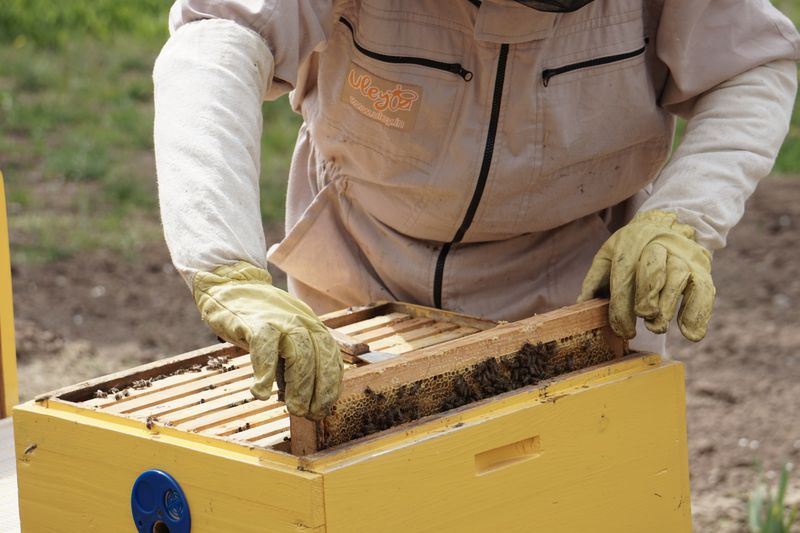
Step 1: Join Your Local Beekeeping Association
This is the single most valuable thing you can do before spending a dollar on equipment. Every region has a beekeeping association (search "[your province/state] beekeeping association"). Most offer beginner courses for $50-150, mentorship programs, and access to local knowledge about forage, pests, and winter conditions specific to your area.
Local knowledge is irreplaceable. A beekeeper in Ontario manages winters very differently than one in Georgia. A mentor who has overwintered hives in your specific climate is worth more than any book.
Which Hive Type Should Beginners Choose?
For beginners, the answer is almost always the Langstroth hive. It's the global standard, with universally compatible parts, the largest community of experienced beekeepers, and the most educational resources. Top bar and Warré hives have devoted followings, but learning beekeeping on them is harder — save those for year two or three once you understand colony dynamics.
The Flow Hive is a Langstroth variant with a premium honey extraction mechanism. It's a legitimate option if budget allows, but it simplifies extraction only — not colony management. Don't expect it to make beekeeping easier overall.
Step 3: Order Bees Early
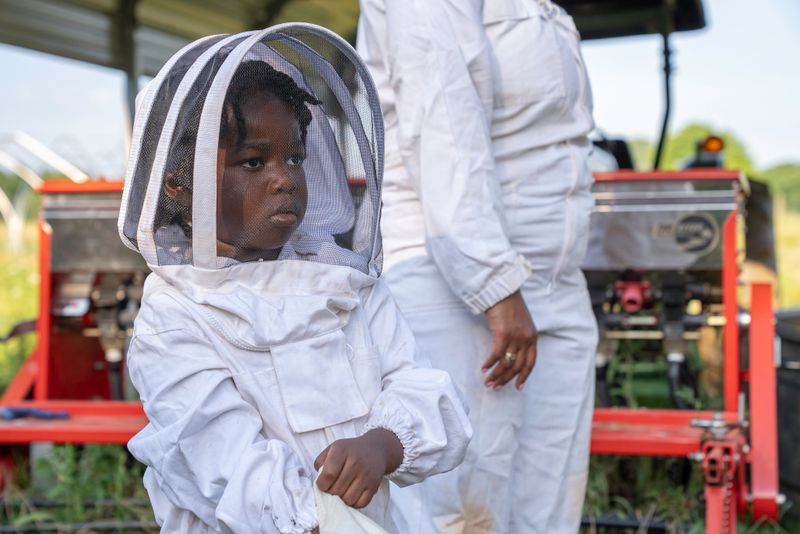
This is the step beginners most often miss. Bee packages and nucleus colonies (nucs) sell out fast — often by January for spring delivery. If you're planning to start in April or May, order your bees by February at the latest.
Package vs. nuc: A package is a screened box with ~10,000 bees and a caged queen — cheaper ($120-160) but requires the colony to build from scratch. A nuc is a 5-frame mini-colony with an established, laying queen and brood at various stages — more expensive ($180-250) but significantly easier to establish and more likely to survive year one. For beginners, buy a nuc if you can find one locally.
Step 4: The Non-Negotiable — Varroa Management
Varroa destructor mites are the primary reason colonies die. They're present in virtually every managed colony in North America. Untreated hives collapse — typically by late fall or the following spring. This is not optional.
The standard treatment options for new beekeepers:
- Oxalic acid (Api-Bioxal): Most effective when applied during broodless periods (midwinter). Cheap, organic-approved.
- Apivar strips: Amitraz-based strips placed in the hive for 6-8 weeks. Easy to use, highly effective, not organic-approved.
- Mite Away Quick Strips (MAQS): Formic acid-based, can be used when honey supers are on (rare benefit).
Monitor mite levels with an alcohol wash or sugar roll every month during active season. See our full varroa treatment guide. Treat when mite loads exceed 2% of your bee population.
What Should You Expect in Your First Beekeeping Year?
Spring installation to first winter — here's the honest timeline:
- April-May: Install bees, confirm queen is laying, feed sugar syrup to help population build.
- June-July: Colony builds rapidly. Inspect every 7-10 days. Watch for swarm preparation (queen cells). Add a honey super if the brood box is filling.
- August: Treat for Varroa. This is critical. Don't skip it.
- September: Assess honey stores for winter. A colony in a cold climate needs 60-80lbs of honey to survive. Feed if short.
- October: Winterize. Reduce entrance, add mouse guard, consider insulation in harsh climates.
- First honey harvest: Realistically, year two for most new beekeepers. Year one colonies need their stores to survive winter.
Resources Worth Your Time
- "The Backyard Beekeeper" by Kim Flottum — The most accessible beginner book.
- Bee Culture magazine — one of the best free resources for practical, honest beekeeping advice.
- Mann Lake Learning Center — Free video library covering hive inspections, treatments, and seasonal management.
- Your local association — Cannot be overstated. Find yours and go to the meetings.
Get Your Beekeeping Starter Gear on Amazon
Beekeeping Starter Kits →Beekeeping Suits →
Beekeeping Tools →
Frequently Asked Questions
Is beekeeping right for me as a complete beginner?
Beekeeping requires outdoor space, time commitment (1-2 hours every 7-10 days during spring/summer), and resilience to accept colony losses. You should check local bylaws for hive placement, consider allergy risks, and be prepared for the learning curve. If you have space, time, and aren't severely allergic, you're a good candidate.
How much does it cost to start beekeeping?
Year one costs $340-740: starter kit ($150-300), bees ($150-250), varroa mite treatment ($20-50), supplemental feeding ($20-40), and optional books/courses ($0-100). Most beginners won't harvest meaningful honey in year one — consider it an education investment.
What is the best hive type for beginners?
The Langstroth hive is the global standard and recommended for beginners. It has universally compatible parts, the largest community of experienced beekeepers, and the most educational resources. Top bar and Warré hives are better saved for year two or three once you understand colony dynamics.
When should I order bees for my first hive?
Order bees by February at the latest for spring installation. Bee packages and nucleus colonies (nucs) sell out fast — often by January. A nuc (5-frame mini-colony) is more expensive ($180-250) but significantly easier to establish and more likely to survive year one than a package ($120-160).
How do I manage varroa mites as a beginner?
Varroa mites are the #1 killer of managed colonies. Monitor mite levels monthly with an alcohol wash or sugar roll. Treat when mite loads exceed 2% of your bee population. Standard beginner treatments include oxalic acid (Api-Bioxal), Apivar strips, or Mite Away Quick Strips (MAQS). Untreated hives typically collapse by late fall or following spring.
Get weekly guides from HivemindGuide
No spam. Unsubscribe anytime.