
Splitting a hive is one of the most important management skills in beekeeping. It serves two purposes: expanding your apiary (turning one hive into two) and preventing swarming (which can cost you half your colony's population). For most beekeepers, spring splits are an annual management practice that improves colony health and productivity.
When to Split: Timing is Everything
The right time to split:
- Colony strength: The colony should cover 8+ frames with bees and have at least 5 frames of brood (eggs, larvae, and capped brood in various stages)
- Season: Split 4–6 weeks before your primary nectar flow. In most of North America: late April to mid-May
- Temperature: Daytime temperatures should be consistently above 15°C (59°F) so the split colony can thermoregulate brood
- Swarm pressure: If you see queen cells being constructed, swarming is imminent — split before they emerge
The Penn State Extension beekeeping guides on swarm prevention provide excellent reference material on timing splits relative to local nectar flow calendars.
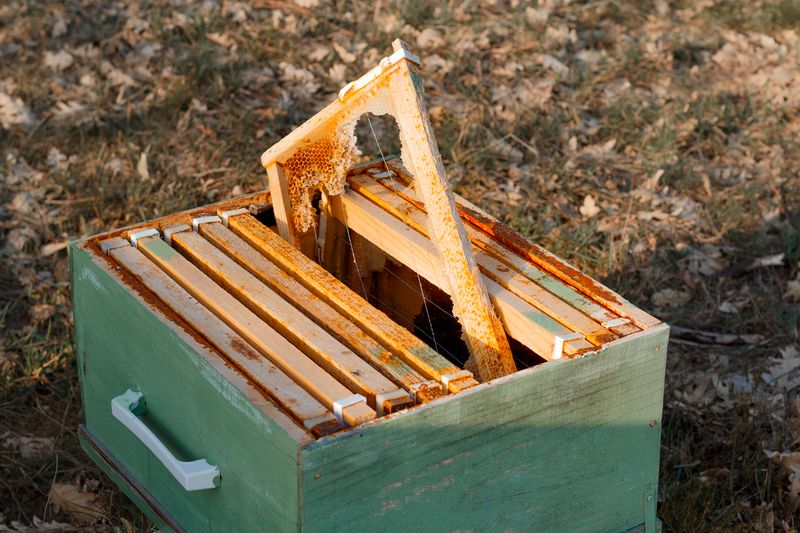
Walk-Away Split: The Simplest Method
A walk-away split is the beginner-friendly approach — you don't need to find the queen:
- Prepare a new hive body: Have a new bottom board, hive body, inner cover, and outer cover ready
- Open your strongest hive and do a full inspection
- Find the queen if you can (optional but helpful) — put her frame into the original hive location
- Move 4–5 frames to the new box: Include 2–3 frames of brood (all stages), 1 frame of honey/pollen, and shake in extra nurse bees from 1–2 frames
- Ensure the queenless box has eggs less than 3 days old — these are what the bees will raise a new queen from
- Position the new hive: Either 2+ miles away (to prevent field bees from returning to the original location) or less than 3 feet from the original (bees will orient to their new entrance)
- Close up both hives, walk away, and don't open the queenless one for 7–10 days — let them build queen cells without disturbance
After 7–10 days, the queenless hive should have capped queen cells. Don't open it again until day 28–30 and look for signs of a mated, laying queen: a tight, consistent laying pattern of worker brood.
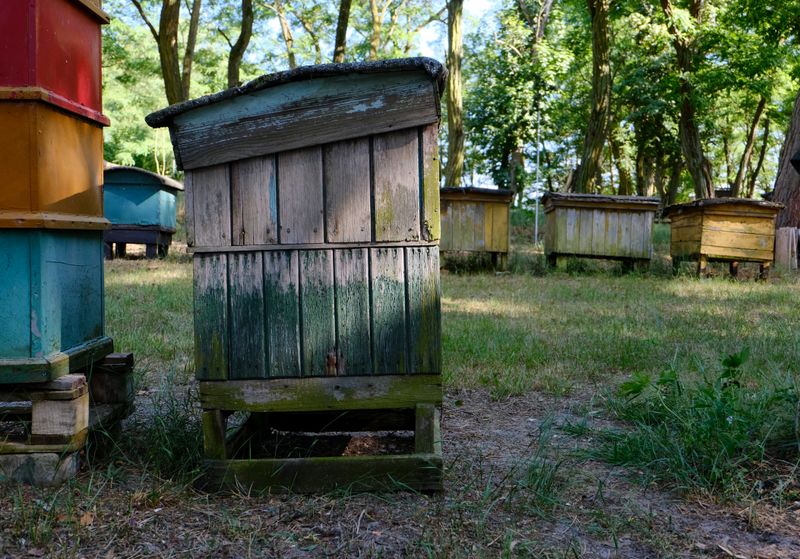
Nuc Split: The More Controlled Method
A nucleus colony (nuc) split uses a smaller 5-frame nuc box instead of a full 10-frame hive body:
- Transfer 5 frames (2 brood, 1 honey, 2 drawn comb) to a nuc box
- Shake in nurse bees from 1–2 additional frames
- Close the nuc and move it to a new location
- Either introduce a purchased queen (fastest establishment) or let them raise their own
Nuc splits are ideal when you want more control and have purchased queens available. A 5-frame nuc can build into a productive full-size hive within 6–8 weeks with a mated queen.
What to Do After the Split
- Day 1–10: Don't disturb the queenless hive. Let queen cells develop undisturbed.
- Day 10–14: Inspect for queen cells. If none present and no eggs, something went wrong — requeen immediately.
- Day 24–30: Virgin queen should be mated and starting to lay. Look for consistent brood pattern.
- Week 6: Full inspection — new colony should be building up. Feed with 1:1 sugar syrup if nectar flow is not strong.
For guidance on identifying the queen during inspections and understanding queen development, see our queen bee identification guide. For overall hive inspection technique, our hive inspection guide covers the full process. For managing hive populations through the season, see our beginners guide to beekeeping.
Frequently Asked Questions
When should I split my beehive?
Split a beehive in late spring when the colony covers 8+ frames, the population is building quickly, and you can see queen cells being constructed — a sign the colony is preparing to swarm. The ideal time is 4–6 weeks before your main nectar flow. In most of North America, this is April–May.
What is a walk-away split?
A walk-away split divides the hive into two boxes, each with brood, bees, and honey — but only one box retains the original queen. The queenless box is left to raise its own queen from existing larvae. It's called "walk-away" because you don't need to find the queen. The queenless box will have a new, mated queen in approximately 4–5 weeks.
How do I prevent my hive from swarming?
Most effective swarm prevention: add supers before the colony runs out of space; remove queen cells regularly during swarm season; split the hive proactively when population builds rapidly; and requeen with young queens annually. Regular inspections every 7–10 days during spring allow early detection of swarm preparations.
What do I do if my split fails to raise a new queen?
If the queenless split doesn't produce a new queen after 6 weeks, you'll likely have laying workers. Requeen the colony by shaking all bees out in front of the original hive and introducing a purchased queen cell. The laying worker colony rarely accepts a purchased queen directly.
Recommended Products
Get weekly guides from HivemindGuide
No spam. Unsubscribe anytime.