
Honey extraction equipment is the major capital investment for a small-scale beekeeper. Unlike hive equipment (which you need from day one), extraction equipment can be deferred until you have honey to harvest. In year one, most beekeepers leave all honey for the colony's winter stores and don't extract at all — this is often the right choice for colony survival.
Crush and Strain: The No-Equipment Option
Before investing in extraction equipment, know the free alternative:
- Remove capped honey frames from the hive
- Cut the capped honey from the frame with a knife (destroys the comb)
- Crush the comb in a bucket (potato masher or hands)
- Strain through a double honey strainer into a settling bucket
- Let settle 24–48 hours to allow wax debris to rise
- Draw off honey from the bottom into jars
Pros: Zero equipment investment, produces excellent raw honey
Cons: Destroys all comb (bees must rebuild it — costs significant colony energy), labor-intensive for large harvests
For most first-year beekeepers with 1–3 hives, crush-and-strain is perfectly adequate. The equipment investment makes more sense in year 2–3 when hives are established and producing 40+ lbs per hive.
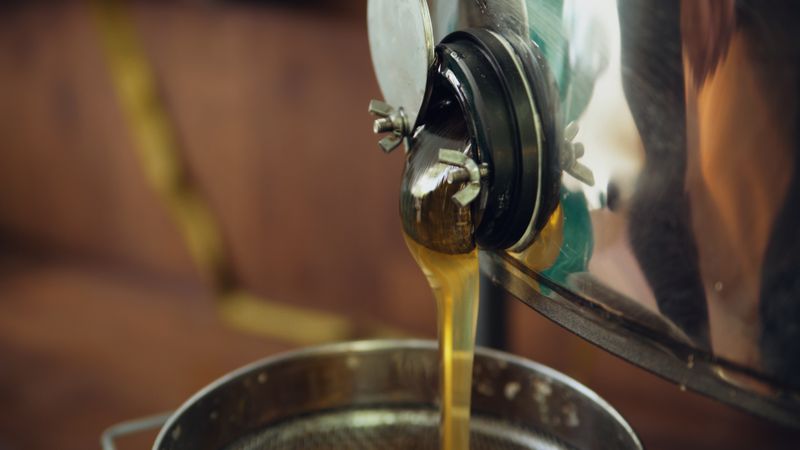
Honey Extractors: Manual vs Electric
2-Frame Manual Tangential Extractor ($150–250)
The entry-level extractor for small operations. Hand-cranked, processes 2 frames at a time, tangential (frames face inward — one side extracts, then flip to extract the other). Adequate for 1–5 hive operations. Takes physical effort but is simple and reliable.
Recommended: Maxant 1400P or similar entry-level 2-frame manual units.
Check manual honey extractors on Amazon
3-Frame Electric Extractor ($400–700)
For 5–20 hives, a 3-frame electric radial extractor is the right investment. Radial configuration (frames face outward like wheel spokes) extracts both sides simultaneously — no flipping. Electric motor reduces physical effort. Processes 3 full-depth frames per batch in 5–8 minutes. Well worth the cost for anyone extracting 2+ times per year.
Check electric honey extractors on Amazon
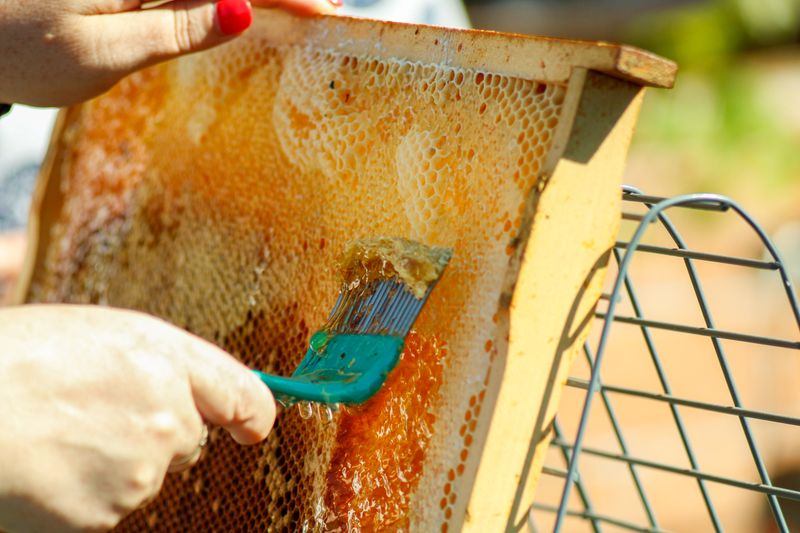
Uncapping Tools
Cold Uncapping Knife ($15–25)
A serrated stainless blade scrapes wax cappings off frames over an uncapping tub. Simple, effective, no electricity needed. Takes slightly more effort on uneven comb surfaces.
Electric Hot Knife ($50–80)
Heated blade melts through cappings cleanly, less effort on irregular comb. Faster than cold knife for large harvests. Good upgrade for 5+ hive operations.
Cappings Fork/Scratcher ($10–15)
Essential supplement to any knife — tines remove cappings from any cells the knife missed without damaging comb structure.
Check uncapping tool sets on Amazon
Settling Tanks and Strainers
After extraction, honey needs to settle in a food-grade container with a valve:
- 5-gallon stainless settling tank ($30–50): Standard for 1–10 hives. Honey settles 24–48 hours — wax debris rises, honey is drawn off the bottom valve into jars.
- Double honey strainer ($15–20): Coarse + fine mesh filters placed over the settling tank. Removes large wax particles from extracted honey before settling.
- Refractometer ($20–30): Measures honey water content — harvest when below 18%, jar when below 18.6% to prevent fermentation.
The Bee Informed Partnership's honey harvest readiness guidance provides the scientific basis for water content standards and the importance of proper moisture testing.
For the actual harvesting process step by step, see our honey harvesting guide. For understanding how much honey to expect, see our honey production guide. For the inspection needed before deciding whether to harvest, see our hive inspection guide.
Frequently Asked Questions
Do I need an extractor to harvest honey?
You don't need an extractor — you can crush-and-strain honey without specialized equipment. Without an extractor: cut capped honey from frames, crush the comb, strain through a honey strainer, and filter into jars. This destroys the comb but requires no specialized equipment. With an extractor, honey is spun out and comb returned to the hive for reuse — more efficient for 3+ hive operations.
What size extractor do I need for 1-5 hives?
For 1–5 hives, a 2-frame manual tangential extractor is sufficient and affordable ($150–250). It processes 2 full-depth Langstroth frames per batch in about 10 minutes. A 2–4 super harvest from 3 hives can typically be processed in 2–4 hours. For 5+ hives, a 3-frame electric extractor ($400–700) significantly speeds up the process.
What tools do I need for uncapping honey frames?
For small operations, a cold uncapping knife ($15–25) scrapes wax cappings off efficiently. An electric hot knife ($50–80) melts cappings with less effort. A cappings fork ($10–15) handles remaining uncapped cells after the knife. A cappings tub or tank catches wax and lets residual honey drain.
How do I know when honey is ready to harvest?
Harvest honey when at least 80% of cells on a frame are capped. The shake test: shake a frame over the hive — if nectar sprays out, it's not ready. A refractometer ($20–30) measures water content precisely — harvest below 18% water to prevent fermentation in the jar.
Get weekly guides from HivemindGuide
No spam. Unsubscribe anytime.