Quick Answer
For most beginners, the Langstroth hive offers the best balance of versatility, cost-effectiveness, and community support among the three main types. While the Flow Hive simplifies extraction, its high cost doesn't remove the need for essential beekeeping knowledge. The Top Bar hive provides a simpler, chemical-free approach but typically yields less honey and requires more delicate comb handling. Consider your budget, time commitment, and primary goals to choose the right hive for your beekeeping journey.
Embarking on your first beekeeping adventure is an exciting prospect, but the initial decision of which hive type to choose can feel overwhelming. From the classic stacked boxes of a Langstroth to the modern ease of a Flow Hive, and the hands-on simplicity of a Top Bar hive, each design offers unique benefits and challenges. Understanding these differences is crucial for a successful and enjoyable start in beekeeping.
Understanding the Langstroth Hive: The Industry Standard
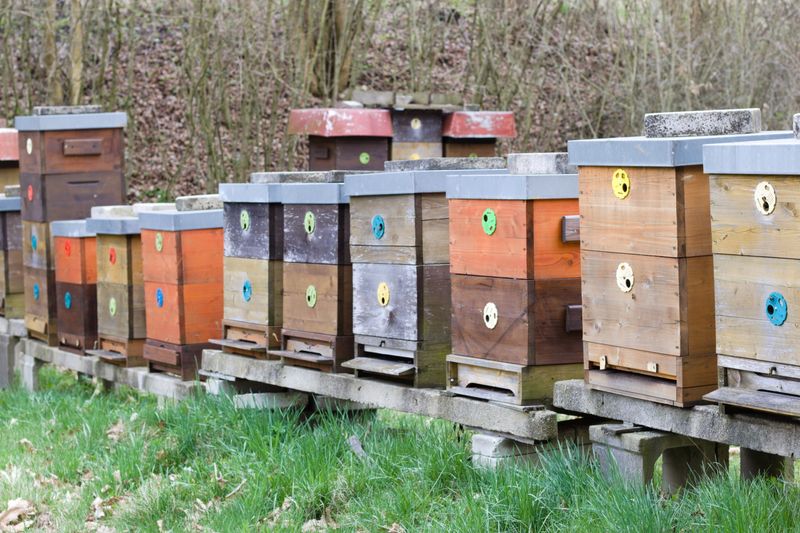
The Langstroth hive, invented by L.L. Langstroth in the mid-19th century, is by far the most popular hive design globally, used by both hobbyists and commercial beekeepers. Its modular design consists of stacked boxes (supers) containing removable frames, which respect the "bee space" – a specific gap bees require to move freely without building extra comb. This design allows for easy inspection, management, and honey harvesting.
Pros of the Langstroth Hive:
- Versatility & Expandability: Easily add or remove supers depending on colony size and honey flow. You can use different sizes for brood and honey.
- High Honey Yield: Designed for efficient honey production with standardized frames that fit extractors.
- Widespread Support & Resources: Most beekeeping supplies, courses, and local clubs focus on Langstroth beekeeping, making it easy to find help and equipment.
- Interchangeable Parts: Frames and boxes from different manufacturers are generally compatible.
Cons of the Langstroth Hive:
- Heavy Lifting: Full honey supers can weigh 60-90 pounds, requiring strength or assistance.
- Disruption During Inspection: Opening the hive and removing frames can be disruptive to the colony.
- Requires Extractor: To harvest honey without damaging comb, a centrifugal extractor is typically needed, which is an additional cost. However, alternative methods like crush-and-strain can be used.
The Convenience of the Flow Hive: Honey On Tap
The Flow Hive, a relatively recent innovation, gained immense popularity for its revolutionary honey extraction system. Instead of traditional uncapping and centrifuging, beekeepers simply turn a tap, and honey flows directly from the hive into a jar. This mechanism uses specially designed frames that the bees fill with honey, and when a tap is turned, the cells split internally, allowing honey to drain, after which the bees repair the cells.
Pros of the Flow Hive:
- Effortless Honey Extraction: The primary selling point – harvest honey with minimal disturbance to the bees and no heavy lifting or sticky frames.
- Less Equipment Needed: Eliminates the need for an expensive extractor, cappings scratchers, or straining equipment.
- Observation Windows: Many models include clear side windows to observe bee activity without opening the hive.
Cons of the Flow Hive:
- High Upfront Cost: Flow Hives are significantly more expensive than traditional Langstroth or Top Bar setups.
- Still Requires Management: While extraction is easier, all other aspects of beekeeping (pest control, swarm management, hive health checks, varroa mite treatment) are still necessary.
- Specialized Parts: Replacement Flow Frames are proprietary and can be costly.
- Honey Crystallization: In colder climates, honey can crystallize in the frames, making extraction difficult without warming the hive.
While the Flow Hive offers a "honey on tap" experience, it's essential to remember that it doesn't automate the entire beekeeping process. As noted by the Mississippi State University Extension, beekeepers must still manage their colonies as with any other hive type.
Shop Flow Hives on Amazon →Simplicity and Natural Approach: The Top Bar Hive
The Top Bar hive (often Kenyan Top Bar or Warre style) is designed to mimic a natural log hive, promoting a more hands-off, bee-centric approach. It consists of a single long box with wooden bars across the top. Bees build their comb naturally downwards from these bars without the use of frames or foundation. This design appeals to beekeepers who prefer a natural comb environment and minimal intervention.
Pros of the Top Bar Hive:
- Simplicity & Low Cost: Generally simpler to construct and often cheaper than Langstroth or Flow Hives.
- No Heavy Lifting: Inspections involve lifting individual bars, not entire heavy boxes.
- Natural Comb: Bees build their own comb, which some beekeepers believe is healthier for the colony and produces healthier honey.
- Chemical-Free Pest Management: More conducive to natural pest control methods and observation.
Cons of the Top Bar Hive:
- Lower Honey Yield: Typically produces less honey than Langstroth hives because bees must continually build new comb.
- Delicate Comb: Natural comb can be fragile and prone to breaking during inspections, especially in hot weather.
- Harvesting Method: Honey is harvested using the crush-and-strain method, which requires destroying the comb. Bees then must rebuild it.
- Less Universal Support: Fewer resources, courses, and specialized equipment compared to Langstroth hives.
The Top Bar hive is favored by those seeking a more biodynamic beekeeping experience. For an in-depth look at its advantages, the Bee Aware program highlights its benefits for minimal intervention.
Shop Top Bar Hives on Amazon →
Comparison: Key Differences at a Glance
To help you quickly compare the options, here's a table summarizing the main characteristics of Langstroth, Flow, and Top Bar hives:
| Feature | Langstroth Hive | Flow Hive | Top Bar Hive |
|---|---|---|---|
| Cost (Starter Kit) | $150 - $300 | $700 - $900+ | $200 - $400 |
| Honey Yield | High | High (in Flow Frames) | Moderate to Low |
| Ease of Harvest | Requires extractor (or crush-and-strain) | Very Easy (honey on tap) | Crush-and-strain (comb destruction) |
| Maintenance | Standard inspections, heavy lifting | Standard inspections, less lifting for honey | Individual bar inspections, no heavy lifting |
| Expansion | Vertical (add supers) | Vertical (add Flow supers or traditional supers) | Horizontal (add more bars/length) |
| Comb Type | Standardized frames with foundation | Flow Frames in honey supers, natural comb in brood box | Natural, foundationless comb |
| Beginner Friendliness | High (due to resources & versatility) | Medium (easy harvest, but still requires deep knowledge) | High (simple design, but delicate comb handling) |
Choosing Your First Hive: Factors for Beginners
Your ideal hive choice will depend on a combination of personal preferences, goals, and resources. Consider the following factors:
- Budget: If cost is a significant concern, Langstroth and Top Bar hives offer more affordable entry points. Flow Hives require a substantial initial investment. Remember to also budget for bees themselves – a bee package or nuc can cost an additional $150-$250.
- Time Commitment: All hives require regular inspections (every 1-2 weeks during peak season). Flow Hives save time on harvest, but not on management. Top Bar hives can sometimes lead to longer, more delicate inspections.
- Physical Ability: If heavy lifting is a concern, Top Bar hives eliminate the need to lift heavy supers. Flow Hives reduce heavy lifting for honey but not for brood box inspections.
- Honey Production Goals: If producing a large amount of honey is your priority, Langstroth hives are generally the most efficient. Top Bar hives are more suited for those prioritizing natural comb and a small, personal harvest.
- Learning Style: Langstroth hives offer the most structured learning environment with abundant resources. Top Bar beekeeping sometimes attracts those who prefers a more experimental or natural approach, while Flow Hives cater to those looking for convenience in certain aspects.
- Local Community & Mentorship: Check with local beekeeping clubs. If most members use Langstroth, you'll have an easier time finding mentors and shared equipment.

Getting Started: Beyond the Hive Type
Choosing a hive is just the first step. Regardless of your choice, you'll need additional essential equipment and knowledge:
- Protective Gear: A good beekeeping suit or jacket, veil, and gloves are indispensable for safety.
- Smoker & Fuel: Used to calm bees during inspections.
- Hive Tool: Essential for prying apart frames and scraping propolis.
- Feeder: For providing sugar syrup to new colonies or during dearth periods.
- Bees: You’ll need to order a package of bees or a nucleus colony (nuc) from a reputable supplier. Ensure your hive is ready before they arrive! Learn more about when to start a beehive.
- Education: Take a local beekeeping class, join a club, and find a mentor. Books and online resources are valuable, but hands-on experience is critical.
Key Takeaways
- 🐝 The Langstroth hive is the most popular and versatile choice for beginners, offering high honey yields and extensive community support.
- 💧 The Flow Hive simplifies honey extraction dramatically but comes with a higher price tag and still requires comprehensive bee management skills.
- 🌳 The Top Bar hive is simpler to build and maintain with no heavy lifting, promoting natural comb but typically yielding less honey.
- ⚖️ Your choice should align with your budget, physical ability, honey goals, and interest in a hands-on or hands-off approach to beekeeping.
- 🛠️ Regardless of hive type, invest in necessary protective gear, a smoker, hive tool, and prioritize beekeeping education from local sources.
Frequently Asked Questions
What is the best beehive for a beginner?
For most beginners, the Langstroth hive is the best choice due to its versatility, easy expansion, and widespread availability of parts and support. It's the industry standard, making resources and mentors readily accessible. While Flow Hives offer convenience, and Top Bar hives offer simplicity, Langstroth hives provide the most balanced learning experience.
Are Flow Hives good for beginners?
Flow Hives can be good for beginners primarily because they simplify honey extraction, making the process less messy and intimidating. However, they are significantly more expensive and don't reduce the need to learn essential beekeeping management skills like pest control, swarm prevention, or hive health checks. They are an excellent option for beginners prioritizing extraction convenience and willing to invest more.
What is the easiest beehive to maintain?
Top Bar hives are often considered the easiest to maintain due to their simple design, which eliminates heavy lifting and allows for chemical-free pest management. They don't require queen excluders or expensive extractors. However, their honey yield is generally lower, and inspecting comb can be more delicate. Langstroth hives are also manageable, especially with practice.
What are the disadvantages of a Top Bar hive?
Disadvantages of Top Bar hives include lower honey yields compared to Langstroth hives, the delicate nature of inspecting comb (which can break easily if not handled carefully), and less universal compatibility for parts and equipment. They also require more hands-on effort for honey harvest (crush-and-strain method).
How much does each hive type typically cost?
A new Langstroth hive starter kit typically costs between $150-$300. Top Bar hive kits range from $200-$400. Flow Hive kits are the most expensive, often starting from $700-$900, reflecting their specialized extraction system and premium materials. These costs do not include bees or additional essential tools.
Get weekly guides from HivemindGuide
No spam. Unsubscribe anytime.